LPG Shortage Drives Households to Induction Cooking for Roti Preparation
The ongoing LPG crisis, initially impacting commercial kitchens, is now significantly affecting domestic households across India. This shortage is compelling families to explore alternative cooking methods, with many investing in ovens, induction cooktops, rice cookers, and PNG connections. For those new to induction cooking, the transition requires adaptation, particularly when preparing traditional staples like roti.
Mastering the art of making perfectly puffed rotis on an induction cooktop presents a unique challenge due to differences in heat distribution and control compared to conventional gas stoves. This comprehensive guide provides a detailed, step-by-step approach to achieve ideal results, ensuring your rotis puff perfectly every time.
Essential Preparations for Induction Cooking
Before beginning, it is crucial to invest in induction-friendly cookware, specifically a compatible tawa. Using unsuitable utensils can lead to inefficient heating and unsatisfactory outcomes. With the right equipment in place, follow these five key steps to create soft, puffed rotis on your induction cooktop.

Step 1: Crafting the Perfect Dough Foundation
The quality of your roti starts with the dough. Use high-quality whole wheat flour and gradually add water while kneading to achieve the right consistency. Knead the dough vigorously for 8 to 10 minutes to develop gluten, which is essential for the puffing process. Once kneaded, cover the dough and allow it to rest for 15 to 30 minutes. Adding a teaspoon of oil or ghee during kneading can enhance softness, but avoid excessive amounts to maintain texture.
Step 2: Dividing and Rolling Evenly
After resting, divide the dough into small, smooth balls without any cracks. Slightly flatten each ball and dust with dry flour to prevent sticking. Roll each portion into an even, circular shape. Uneven rolling is a primary reason rotis fail to puff, so take care to maintain uniform thickness throughout.
Step 3: Correctly Preheating the Tawa
Temperature management is critical when using induction cooktops. Place your induction-friendly tawa on the cooktop and preheat it on a medium setting. Allow the tawa to heat evenly before proceeding to the next step.
Step 4: Cooking Rotis in Controlled Stages
Carefully place the rolled roti onto the preheated tawa. Cook until bubbles begin to form on the surface, then flip it over. Continue cooking the second side until light brown spots appear, indicating proper doneness.
Step 5: Achieving the Perfect Puff
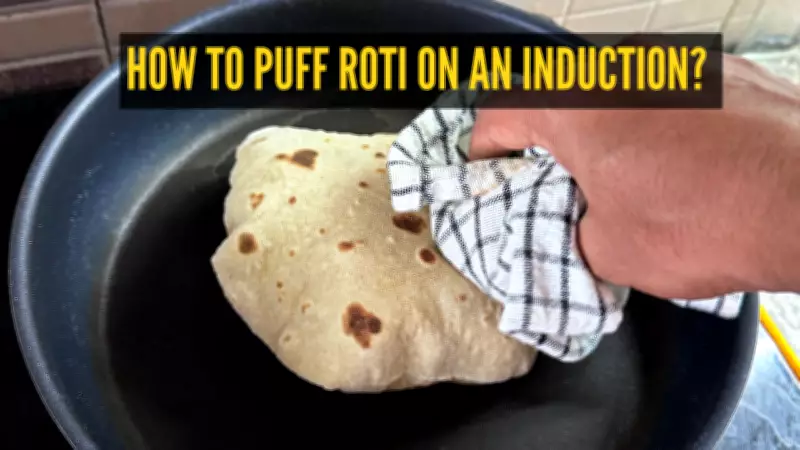
To encourage puffing, gently press the edges and center of the roti with a clean cloth or spatula. This technique helps trap steam inside the roti, creating the characteristic puff that signifies well-made roti.
Additional Expert Tips for Induction Success
- Heat Control: Induction cooktops offer precise temperature adjustments. Start at medium heat and make gradual changes to avoid burning or undercooking.
- Tawa Selection: Always use an induction-compatible tawa to ensure efficient heat transfer and consistent results.
- Practice Patience: Induction cooking may require practice to master, especially for traditional recipes. Experiment with heat settings and timing to find what works best for your cooktop.
As LPG shortages persist, adapting to induction cooking becomes increasingly necessary for households. By following this detailed guide, you can continue to enjoy perfectly puffed, homemade rotis while navigating the challenges of alternative cooking methods.