Kolkata's Culinary Creatives: Day Job Professionals Host Intimate Supper Clubs
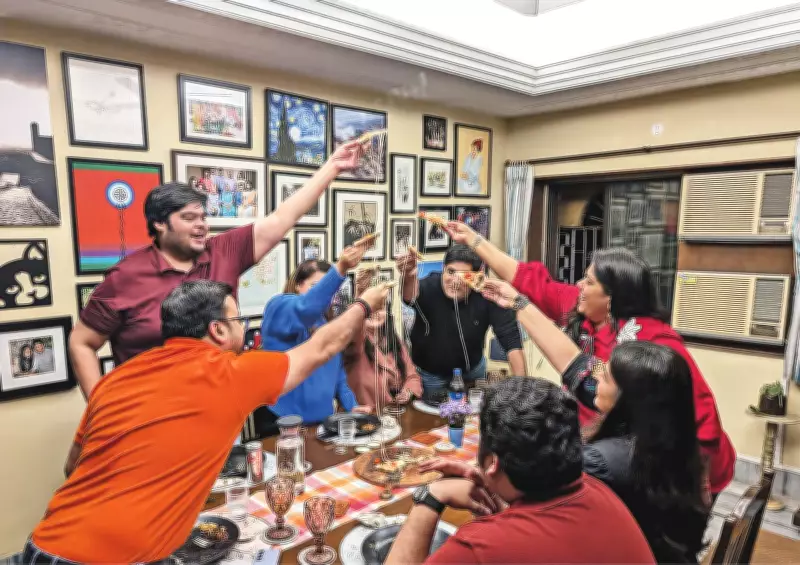
In the bustling city of Kolkata, a unique culinary movement is quietly flourishing. Four professionals, each with demanding day jobs, are transforming their passions into intimate supper clubs that offer more than just meals—they create communities, share stories, and redefine dining experiences.
Rahul Mall: The Pizza Artisan
Who he is: Rahul Mall is a portrait photographer and educator by day, and the founder of Pizza Dojo by night. He hosts his speakeasy-style pizza events at various locations across the city.
His story: Rahul's journey into supper clubs began as a parallel obsession, never intended to replace his day job. "Frustrated by the lack of thoughtful pizza, I began cooking for friends," he shares. Pizza Dojo focuses on contemporary pizza that respects classic techniques while embracing innovation.

"Influences range from Japanese restraint to Italian simplicity. It's all about good ingredients, treated with care," explains Rahul. He finds Kolkata diners to be both curious and discerning. "People here are value-conscious. They're willing to pay when they understand what they're paying for. What doesn't work is pretense."
Rahul emphasizes that hosting is about more than serving food. "You're not just serving food; you're holding space for people. That requires presence, energy, and care, even on days when you're tired or distracted. It's rewarding, but it's not effortless."
Madhumita Mohanta: The Healing Chef
Who she is: Madhumita Mohanta works as an F&B consultant and pranic healer, while hosting The Prana Table at various locations.
Her story: After more than 25 years in professional kitchens, Madhumita sought a space where she could combine intuition with technique. Her discovery of pranic healing transformed her understanding of food. "It wasn't just nutrition or flavour, but energy and intention. My supper club emerged as an extension of that belief."
The progressive, ingredient-led dishes she serves complement guided meditation and pranic healing sessions. She believes Kolkata diners possess emotional intelligence. "They respond to how food makes them feel. Kolkata always rewards sincerity."
"After a meal and meditation, guests sit in a rare, phone-free silence; being present is what my supper club is about. The food nourishes the soul and body, making the experience go beyond the table."
Debanjana Roy: The Travel-Inspired Host
Who she is: Debanjana Roy is a visual media professional who hosts Table 13 at her Gariahat home.
Her story: With a father who ran a popular Chinese restaurant and a mother whose cooking filled their home with people, supper clubs felt instinctive to Debanjana. "Discovering supper clubs felt instinctive," she explains. For her, the experience centers on community rather than just food.
Her culinary creations draw inspiration from both her travels and familial roots. "I've been a solo traveller for over a decade, and I bring those flavours back to my table." She enjoys participating in Kolkata's evolving F&B scene, though acknowledges challenges. "Many don't follow through after hearing the cost, but I have repeat patrons. There's still a need to understand that this is curated."
"The apartment-turned-café vibe struck me. It was fun with a sense of community. We celebrate small wins, have conversations, and strangers slowly become friends. The joy I feel in bringing people together over food that I have created is incredible every time."
Vatsala Khandelwal: The Historical Storyteller
Who she is: Vatsala Khandelwal is a humanitarian lawyer who founded Secret Spice at Hindustan Park.
Her story: Vatsala's supper club concept emerged from her work with migrant communities. "The idea grew out of my work with migrant communities. Food became a way to explore migration as lived history." She traces the Eurasian spice route through cuisine, making historical narratives emotionally accessible.

Her menus feature dishes from across the spice route, with careful attention to coherence. "My priority is coherence. I aim to create good flavours and ensure each course eases into the next." She observes growing openness among Kolkata diners. "There's a growing openness to new culinary experiences. Someone always knows someone else, making Kolkata close-knit."
"Creative energy doesn't stop at cooking and planning, it expands via the people who show up. Conversations, perspectives, and presence shape every evening. In many ways, I'm co-creating the experience with my guests."
The Economics of Intimacy
Across all four supper clubs, the economic model remains deliberately modest. Most operate with just six to eight seats, requiring pre-booking to minimize waste. Costs typically cover premium ingredients, preparation, tableware, service support, and ambiance. None of the hosts describe this as a high-margin venture.
For many, pricing aims at breaking even or ensuring sustainable continuation rather than maximizing profits. What they gain extends beyond financial returns—it includes creative autonomy, community connection, and control over the experience without pressure to scale or dilute quality.
Intentional Growth: Depth Over Volume
For Kolkata's supper club hosts, growth represents a contested concept. The table exists primarily as an emotional and creative commitment. As Madhumita explains, "The value lies in sustainable profitability, allowing me to continue hosting without compromising intimacy or quality." For her, growth means "depth, not volume."
Rahul emphasizes that Pizza Dojo's small scale is intentional. "The scale is not due to a constraint; it is the point from which care, conversations and consistency come from. The goal isn't to become bigger. It's to remain intentional."
Vatsala cautions against scaling purely for economic reasons. "Scaling up purely for economic reasons risks losing the intimacy that gives this its charm." Meanwhile, Debanjana views her supper club as an evolving project. "I'm still building the audience," she says, seeing it less as a finished business model and more as a community in progress.
These four professionals demonstrate how passion projects can thrive alongside careers, creating meaningful culinary experiences that prioritize connection over commercialization in Kolkata's vibrant dining landscape.