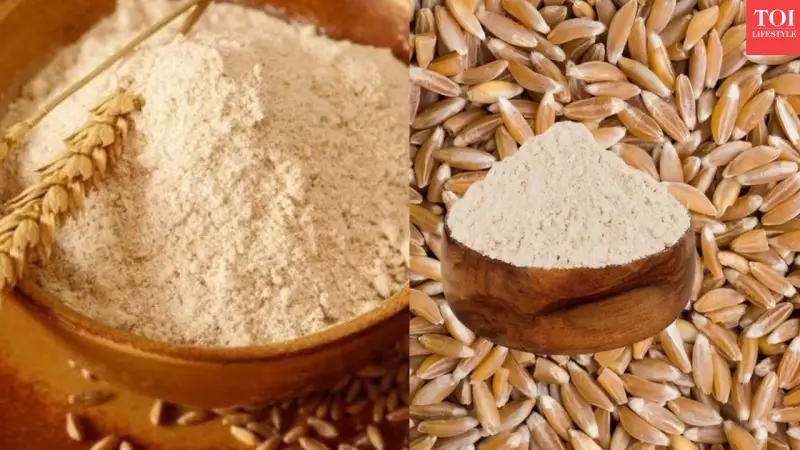
In the heart of every Indian kitchen, flour holds a place of quiet power. It is not merely an ingredient but the foundation that determines whether your daily roti is soft and comforting or hearty and robust. Today, two distinct varieties have captured the attention of health-conscious cooks: Khapli atta and Sharbati atta. Each boasts a loyal following and claims of being a healthier choice, yet their behaviour on the tawa and impact on the body are worlds apart. This detailed comparison breaks down their origins, nutrition, and culinary performance to help you decide which flour truly belongs on your plate.
Roots and Grain: Heritage vs Refinement
The story of these flours begins with their very DNA. Khapli wheat, known scientifically as emmer wheat or Triticum dicoccum, is an ancient grain. It is one of the oldest cultivated varieties in the world, largely untouched by modern hybridisation. With a tight husk and a naturally earthy aroma, it evokes images of growing in rugged, untamed soil.
In contrast, Sharbati wheat is a premium modern variety (Triticum aestivum). It is cultivated primarily in the Sehore-Vidisha belt of Madhya Pradesh. The region's distinctive black cotton soil is credited for giving Sharbati wheat its characteristic plump kernels and a subtly sweet flavour profile. Simply put, Khapli represents a deep culinary heritage, while Sharbati symbolises cultivated refinement.

Nutritional Showdown: Digestion and Health Impact
The core differences between these attas become most apparent when considering nutrition and how they interact with your body.
Khapli atta is a standout for its high dietary fibre and rich mineral content, including magnesium and iron. Crucially, it has a lower glycaemic index (GI), meaning it releases sugars into the bloodstream slowly and steadily. This makes it a favoured choice for individuals managing blood sugar levels, acidity, or weight. Its protein structure results in less elastic gluten, which many find easier to digest. People who often feel heavy or bloated after meals with regular wheat frequently report that Khapli atta feels lighter on the stomach.
Sharbati atta provides good protein and essential micronutrients with a clean, mild taste. While not specifically marketed as a low-GI grain, its fuller kernels offer a more balanced nutritional profile compared to standard mass-market wheat flours. For those who seek reliable nutrition without altering the familiar taste and texture of their everyday roti, Sharbati is a dependable and comforting choice.
Culinary Behaviour: Taste, Texture, and Roti Results
The ultimate test for any flour happens in the kitchen, and here the two contenders diverge completely.
Roti made with Khapli atta carries a distinct rustic, nutty, and earthy flavour, reminiscent of sun-toasted whole grains. The texture is denser and more substantial—wholesome and filling, but not particularly soft or fluffy. It requires a patient hand to knead and roll, as its gluten behaves differently.
Sharbati atta is celebrated almost exclusively for the exceptional softness it imparts. It absorbs water beautifully, kneads into a smooth dough, and yields rotis and phulkas that remain soft for hours. The taste is mildly sweet, comforting, and embodies the classic 'ghar ka atta' feeling, but elevated. For making thin, pliable rotis or flaky parathas that don't tear, Sharbati performs effortlessly.
Making the Right Choice for Your Kitchen
There is no single champion in the Khapli versus Sharbati debate. The better flour is entirely dependent on your personal health needs and culinary preferences.
Opt for Khapli Atta if:
- You need a flour that is more digestive-friendly and gentle on the stomach.
- Managing blood sugar levels is a priority for you.
- You enjoy a hearty, earthy, and robust grain flavour in your bread.
- Regular wheat tends to leave you feeling heavy or bloated.
Choose Sharbati Atta if:

- Soft, fluffy, and tender rotis are non-negotiable in your household.
- Your primary focus is on superior taste and a familiar, comforting texture.
- You want a nutritious everyday flour that doesn't change the flavour profile of your traditional meals.
Indian culinary wisdom teaches us that food works best when it aligns with our body's rhythm. Khapli and Sharbati are not rivals; they are different answers to different needs. Khapli offers depth, steady energy, and a grounded, therapeutic quality. Sharbati provides ease, predictable softness, and the irreplaceable comfort of a roti that tastes like home.
The most important metric is how you feel after eating. If a meal leaves you feeling light, satisfied, and energetic, you've found your flour. Many families have discovered a smart middle path by alternating between the two or even blending them, combining Khapli's slow-release energy with Sharbati's tenderness. This hybrid approach can create a roti that excels in both taste and digestive comfort, genuinely supporting everyday health.
Ultimately, the best atta is the one that fits seamlessly into your lifestyle, delights your palate, and respects your body's signals—not just the one with the most appealing label on the packet.