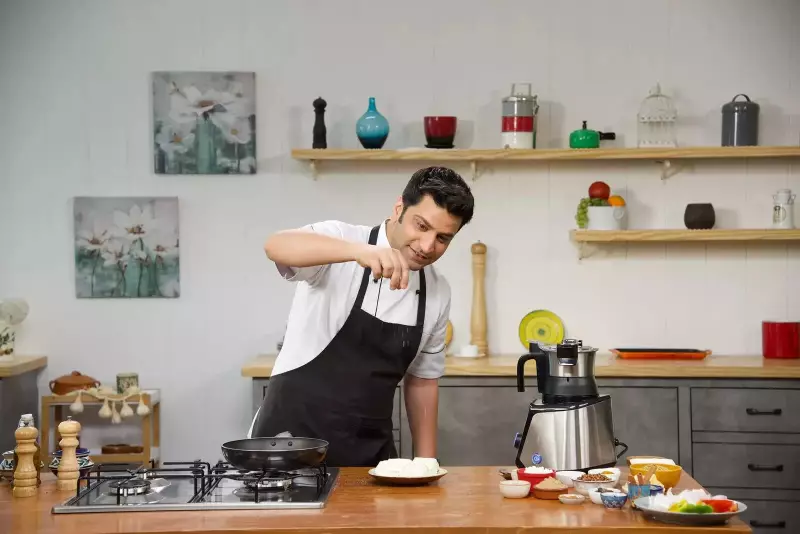
The landscape of Indian cuisine has undergone a dramatic transformation over the past twenty years, evolving in ways previously unimaginable and earning unprecedented respect on the world stage. This panoramic shift is marked not just by soaring popularity but by a profound culinary renaissance driven by curiosity, innovation, and a deep dive into regional roots.
From Global Experimentation to Michelin Recognition
Celebrity chef Kunal Kapur, in a conversation with ANI, highlighted that the global fascination with Indian food is now fueled by experimentation. Chefs worldwide are creatively using Indian ingredients and flavours, crafting unique modern tasting menus and small plates. This trend is flourishing from Europe and the UK to the US and even Belize.
"We're now getting Michelin mentions to getting Michelin stars to Indian restaurants that are doing things a little differently," Kapur stated, underscoring the cuisine's elevated status. He pointed out a significant move towards celebrating regional ingredients, local produce, and lesser-known culinary traditions, moving far beyond the commercial staples.

The Digital Kitchen: Social Media Fuels a Food Revolution
Digital platforms have acted as a powerful accelerator for this change. Chefs, home cooks, and food enthusiasts instantly share recipes, techniques, and regional knowledge, making diverse Indian cooking accessible to all.
"Because accessibility has become so easy, people can access information anytime, any place," Kapur explained. He receives direct messages from people who have successfully tried his YouTube or Instagram recipes, with some even incorporating those dishes into their small-town cafe menus. This democratization of knowledge is breaking down barriers and fostering a new generation of cooks.
Shattering Stereotypes: The Real Diversity of Indian Food
A crucial part of this evolution is the dismantling of long-held misconceptions. The outdated view of Indian food as merely oily, greasy, and overly spicy is fading, replaced by an appreciation for its vast complexity and regional nuance.
Kapur noted that within India, a strong movement is highlighting local ingredients and indigenous cuisines. This shift helps counter stereotypes, like associating Mumbai only with Pav Bhaji, when the city actually boasts a rich mosaic of Sindhi, Gujarati, and Maharashtrian food traditions.
Globally, specific themes are gaining traction. South Indian cuisine, along with no-onion-no-garlic, Satvik, and Jain culinary philosophies, are attracting significant interest. The focus is shifting from large portions to thoughtful presentation, where even a small plate carries deep emotion and love.
The Road Ahead: Vast, Diverse, and Still Being Discovered
While progress is evident, Kapur believes Indian cuisine is not yet fully understood internationally. A handful of dishes like butter chicken, naan, and biryani have long been the commercial face of Indian food, creating a narrow expectation.
"Indian food is very vast," he emphasized. Although South Indian food is gaining popularity, many regional Indian cuisines remain unexplored by global audiences. The gap is slowly closing as popular restaurants excel at presenting regional sensibilities to a worldwide clientele.
MasterChef India: A New Season of 'Jodis' and Emotional Flavours
Kapur, who will be judging the upcoming season of MasterChef India alongside Vikas Khanna and Ranveer Brar, revealed a unique format for the new season. For the first time, contestants will compete in pairs, or 'jodis'.
These pairs consist of blood relatives or family-by-marriage, such as brother-sister, father-daughter, mother-son, or in-law duos. According to Kapur, this adds a rich emotional layer to the competition. "You will be able to taste the flavour of those relationships along with the food," he noted. The new season of MasterChef India is set to premiere on January 5 on Sony Entertainment Television and Sony LIV.