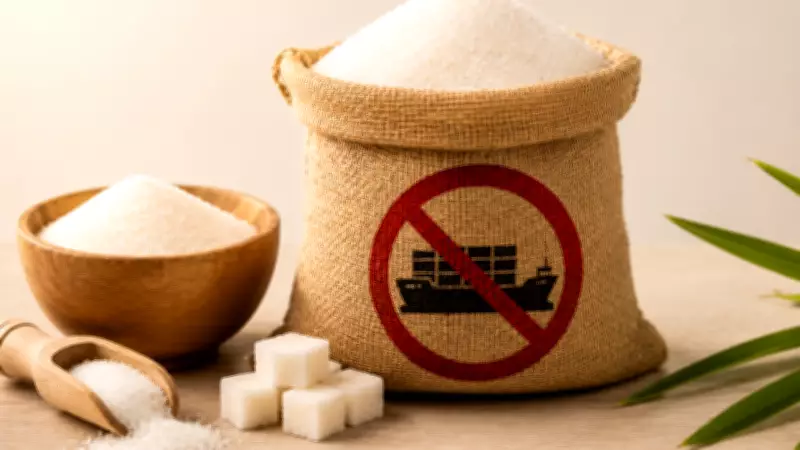
India’s sudden decision to ban sugar exports until September 30, 2026, has sent a fresh signal through both domestic and global markets. The move, issued through a government notification and approved by the Minister of Commerce and Industry, comes as authorities try to keep local prices under control at a time when sugar production is expected to lag behind consumption for a second straight year. For Indian households, the headline is not only about trade policy or rising futures abroad. It is also a reminder of how deeply sugar sits inside everyday cooking, from tea and sweets to chutneys, desserts and festive recipes. As supply pressures and price concerns grow, many kitchens are likely to lean more heavily on traditional sweeteners and fruit-based alternatives already used across Indian cooking. Here is why these six alternatives deserve attention now.
Jaggery
Jaggery remains the most familiar substitute in Indian homes. It brings sweetness with depth, which is why it works so naturally in winter drinks, rotis, porridges, dals and desserts. Unlike refined sugar, jaggery carries a molasses-like earthiness that changes the character of a dish rather than simply sweetening it.
Recipe idea: Make a simple jaggery porridge by simmering milk or water with roasted broken wheat, a spoon of ghee, cardamom and grated jaggery added at the end. It is comforting, quick and deeply Indian in flavour.

Palm sugar
Palm sugar offers a softer, rounder sweetness that suits both traditional and modern cooking. It is often used in South Indian and coastal recipes, but it can also replace sugar in teas, payasam, puddings and slow-cooked sauces. Its flavour is gentler than jaggery, which makes it useful when you want sweetness without a strong aftertaste.
Recipe idea: Melt palm sugar into coconut milk with a little rice flour to make a light kheer-style dessert. Add banana slices or roasted cashews for a simple, home-style finish.
Dates
Dates have become one of the most practical natural sweeteners for Indian kitchens because they add sweetness, body and a subtle caramel note. They also work well in blended form, which makes them useful for families trying to reduce refined sugar without giving up dessert entirely. Date puree can be mixed into batters, milkshakes, laddoos and breakfast bowls.
Recipe idea: Soak soft dates, blend them into a paste, and fold them into atta pancakes or banana bread. The result is moist, naturally sweet and ideal for tea-time snacks.
Honey
Honey is one of the oldest sweeteners in use, and it fits especially well in drinks, fruit bowls, yoghurts and light desserts. It should not be treated like sugar in every recipe, but when used carefully, it brings a clean sweetness and a fragrant finish. In Indian kitchens, it is often paired with lemon, ginger or warm milk.
Recipe idea: Stir honey into warm water with lemon and crushed ginger for a quick morning drink, or drizzle it over roasted makhana with a pinch of cinnamon for an easy snack.
Coconut sugar
Coconut sugar has begun to find a place in health-focused kitchens because it has a mild caramel taste and can be used in many of the same ways as sugar. It is particularly helpful in baking, where a more neutral sweetness is needed. It also blends well into coffee, tea and homemade granola.
Recipe idea: Use coconut sugar in coconut-flour or whole-wheat muffins with chopped nuts. It gives baked goods a warm colour and a gentle, toffee-like flavour.
Fruit purees
Fruit purees are perhaps the most versatile alternative of all, especially in households that prefer less processed ingredients. Mango, banana, apple and even fig puree can replace part of the sugar in cakes, smoothies and sweets. They add natural sweetness along with texture, making them especially useful in children’s food.
Recipe idea: Blend ripe banana with oats, a little ghee and chopped almonds to make soft breakfast bars. Or cook apple puree with cinnamon and use it as a topping for pancakes or curd.

India’s export ban may be a policy move aimed at protecting domestic supply, but it also shines a light on how kitchens adapt when prices shift. In many homes, the answer is not to give up sweetness altogether, but to choose it differently. Jaggery, palm sugar, dates, honey, coconut sugar and fruit purees can keep recipes familiar while changing their nutritional and flavour profile.