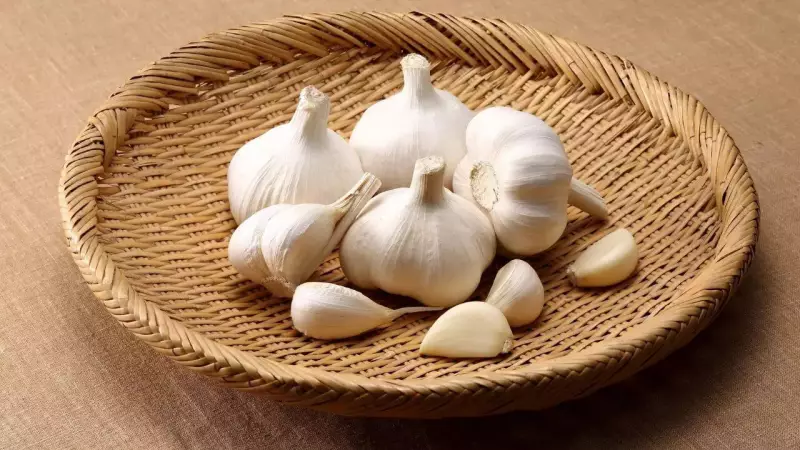
For many home cooks in India, garlic is an automatic addition to the kadhai or pot. We peel, we chop, and we cook, often without a second thought. Yet, this humble ingredient can be a chameleon - one day it delivers a sharp, pungent kick, and the next, a soft, sweet whisper. The difference between these two extremes frequently boils down to a simple, overlooked step: the way the garlic clove is prepared.
The Science Behind Garlic's Changing Personality
Inside each clove, garlic holds its potent character in reserve. It remains dormant until its cells are damaged. The moment a knife slices through it or a pestle crushes it, a swift chemical reaction is triggered. An enzyme called alliinase comes into contact with a compound named alliin. Their union creates allicin, the substance responsible for garlic's iconic strong aroma and that familiar sharp bite.
A significant review titled Bioavailability, Health Benefits, and Delivery Systems of Allicin: A Review, published in the National Library of Medicine, confirms this process. The research highlights a clear rule: the more you break down the garlic clove, the more allicin is formed. Therefore, a gentle slice yields a mild flavour, while aggressive crushing unleashes its full, fiery potential. Understanding this transforms garlic from an unpredictable element into a precise culinary tool.

Your Garlic Cutting Guide: From Subtle to Powerful
Each method of preparation invites a different level of intensity from the same clove. Here is how common techniques shape your final dish.
1. Whole Cloves: Keeping garlic completely intact results in the softest flavour. It slowly infuses and perfumes dishes like soups, dals, and slow-cooked curries without dominating them.
2. Sliced Garlic: Creating slices breaks some cells, offering a warm, noticeable but not harsh presence. This is perfect for quick sautés, pastas, or tadkas where you want a balanced aroma.
3. Chopped Garlic: Chopping increases the surface area and damage, leading to a stronger, more pronounced flavour. It stands out clearly in stir-fries, robust sauces, and many everyday Indian sabzis.
4. Minced Garlic: Mincing creates tiny pieces that spread the flavour evenly throughout the dish. It provides a bold yet consistent garlicky note, making it a versatile staple for daily cooking.
5. Crushed Garlic: Using a mortar and pestle or the flat of a knife to crush garlic releases a large amount of allicin instantly. The result is an intense, slightly spicy punch ideal for marinades, chutneys, and bold sauces like those in Punjabi cuisine.
6. Garlic Paste: This is raw garlic at its most potent and sharp. A little goes a long way, and it's commonly used in specific pastes and recipes where its powerful character is essential.
7. Grated Garlic: Grating on a microplane creates an almost puree-like consistency. The flavour incorporates immediately and powerfully, excellent for salad dressings, dips, or uncooked preparations.
8. Roasted Whole Garlic: Applying heat transforms garlic entirely. Roasting whole bulbs or cloves turns them soft, sweet, and creamy, completely mellowing the harsh, pungent edge.
9. Lightly Smashed Garlic: Gently pressing a clove with a knife just to crack it open offers a middle path. It releases more flavour than a whole clove but less than chopping, making it wonderfully versatile for tempering dals or curries.
Pro Tips to Command Your Garlic
To further harness control, keep these practical pointers in mind. If you desire a stronger garlic flavour, let the cut or crushed garlic sit for 5-10 minutes before cooking. This resting period allows the allicin-forming reaction to reach its peak.
Timing is another crucial lever. Add garlic later in the cooking process for a sharper, more pungent bite. Introduce it earlier if your goal is a sweeter, more caramelised note that blends into the dish.
And one golden rule remains universal, regardless of how you cut it: burnt garlic turns bitter and can ruin a dish. Always monitor the heat to avoid crossing that line.

Ultimately, garlic is far more than just an ingredient; it's a variable instrument in your kitchen. The same small clove can whisper or shout based solely on how you treat it. By paying attention to the cut, your cooking becomes more intentional, consistent, and masterful.
(Disclaimer: This article is for general informational purposes only and does not replace professional culinary or nutritional advice.)