The rugged landscapes and extreme climate of the Himalayas have, for centuries, inspired remarkable ingenuity in food preservation. Communities across the mountain range have mastered the art of sustaining themselves through harsh seasons by pickling seasonal produce, fermenting vegetables, smoking meats and fish, and even compacting spices into durable cakes. These living traditions, passed down through generations, are now stepping into a vibrant new spotlight, championed by a wave of chefs and culinary experts from the region.
A Festival Celebrating Mountain Gastronomy
This revival finds a powerful platform at the annual 'Journeying Across the Himalayas' festival, set to take place in Delhi from 4 to 10 December. The event is dedicated to celebrating the vast and diverse culinary cultures spanning the Himalayas through expert talks and immersive tasting sessions. The festival's lineup is a testament to this geographic and cultural breadth, featuring specialists from Ladakh and Kashmir in the west to Himachal Pradesh, Meghalaya, and Assam in the east.
Attendees will have the chance to learn from notable figures including Kunzes Angmo, founder of Artisanal Alchemy in Ladakh; Anmol Chowdhury, who documents Kashmiri preservation techniques; Chef Prateek Sadhu of NAAR restaurant in Kasauli; Himachali cuisine expert Nitika Kuthiala; author Yash Saxena (Stories from a Kargili Kitchen); and Avantika Haflongbar, who chronicles her Dimasa food heritage from Assam.

Signature Recipes from Himalayan Kitchens
The festival underscores that these ancient practices are not just historical footnotes but vibrant, living arts. To bring a taste of the Himalayas to your kitchen, here are detailed recipes shared by the experts themselves.
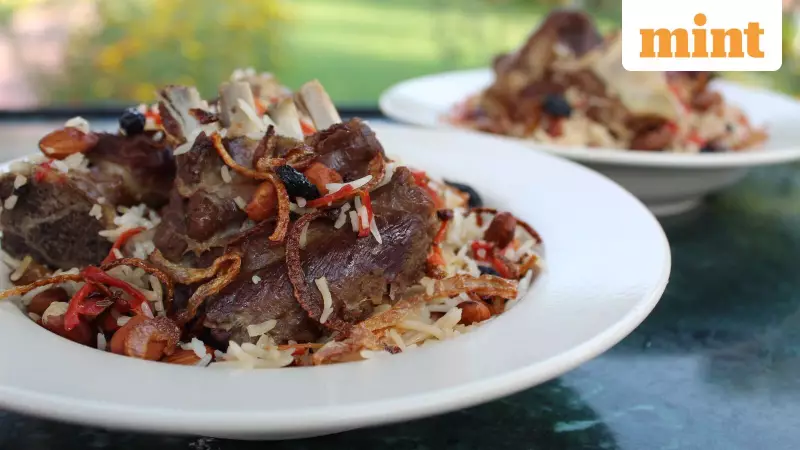
Yarkhandi Pulao by Kunzes Angmo
This fragrant rice dish from Ladakh is laden with nuts and dried fruits, narrating the story of the region's historic Silk Road connections.
Ingredients:
- 600-650g mutton leg & rib pieces
- 2 black cardamom pods
- 1 tbsp whole fennel seeds
- ½ onion, chopped
- 1 tsp salt (for broth)
- 8 cups water
- 6-8 tsp ghee (for frying meat)
- 2 cups long-grain basmati rice
- 1 tsp shah zeera (black cumin)
- 2½ cups finely julienned carrots
- 3-4 tsp ghee (for pulao)
- 2½ onions, sliced (for garnish)
- 2 cups vegetable oil (for deep-frying)
- ⅓ cup each of toasted almonds, sweet apricot kernels, and black raisins
- 1 tbsp ghee (for final garnish)
Method:
Boil the mutton with salt, cardamom, fennel, and chopped onion in 8 cups water for about 1 hour 45 minutes until tender. Strain and reserve 3-4 cups of broth. Shallow-fry the boiled mutton in ghee until browned. Separately, deep-fry the sliced onions until golden (birista) and set aside. In a heavy pot, sauté carrots in ghee until reduced. Add the mutton broth (make it 3½ cups with hot water if needed), then add rice, shah zeera, fried mutton, 1 tbsp birista, and salt. Cook covered on medium heat until water is mostly absorbed. Seal the lid and cook on very low heat for 10-15 minutes. Let it rest, then fluff and mix in remaining birista, nuts, raisins, and a tablespoon of ghee.
Monju Achaar by Anmol Chowdhury
A traditional Kashmiri pickle made with knol khol (kohlrabi), prepared as winter arrives and typically served with steamed rice and fish.
Ingredients:
- 1 kg knol khol (monju haakh) with fresh leaves
- 250 gm mustard oil
- 3-4 tbsp Kashmiri chilli powder
- ½ tsp Kashmiri ginger powder
- ½ tsp turmeric powder
- 2 tbsp fennel seeds, 1 tbsp cumin seeds, 3 tbsp each coriander & mustard seeds, ½ tbsp carom seeds, 3-4 cloves
- 5-10 gm asafoetida (mixed in water)
- Salt to taste
Method:

Separate leaves from the knol khol bulb. Peel the bulb only where fibrous and cut into pieces. Blanch leaves and bulb in boiling water with turmeric and salt for 5-7 minutes. Strain and air-dry on muslin for 24 hours (avoid direct sun). Dry roast mustard, coriander, and carom seeds together. Separately, dry roast cumin and fennel seeds. Pound both batches of spices coarsely. In a large vessel, mix the dried knol khol with mustard oil, chilli powder, ginger powder, asafoetida water, pounded spices, and salt. Mix thoroughly for 15-20 minutes. Transfer to a sterilized jar, top with a tablespoon of mustard oil and cloves. Store in a cool, dark place for 15-20 days before use. It keeps for over a year refrigerated.
Dimasa Berengjiba by Avantika Haflongbar
A bamboo-steamed vegetable and fermented fish preparation from the Dimasa community of Assam's Dima Hasao district.
Ingredients:
- 1 bunch lemon basil, 2 king chillies, 100 gm ginger flowers (optional), 250 gm eggplant, 100 gm bitter tomatoes
- 1 bunch michinga/Sichuan pepper leaves (or aromatic citrus leaves), 100 gm long beans, 1 banana blossom
- 2 pieces fermented dried fish, Salt to taste, 1 bamboo tube
Method:
Clean and chop all vegetables, then add them to the bamboo tube. Place the fermented fish on top, add a little water and salt. Cover the open end with a banana leaf. Place the tube slanting over a gas flame (not directly in fire), rotating it every few minutes for even cooking. Cook for about 30 minutes until you hear simmering and the bamboo is slightly charred. Let it rest, then slide out the smoky, aromatic vegetable stew onto a banana leaf or bowl.
A New Chapter for Ancient Wisdom
The 'Journeying Across the Himalayas' festival represents a significant moment. It moves these culinary traditions from the realm of subsistence into the spotlight of celebration and sustainable gastronomy. By translating centuries-old preservation and foraging cultures into restaurant menus, food businesses, and shared stories, these experts are ensuring their heritage is not just preserved but also evolves. For those inspired to explore or attend, registration details can be found on Instagram via the handle @royalenfieldsocialmission.