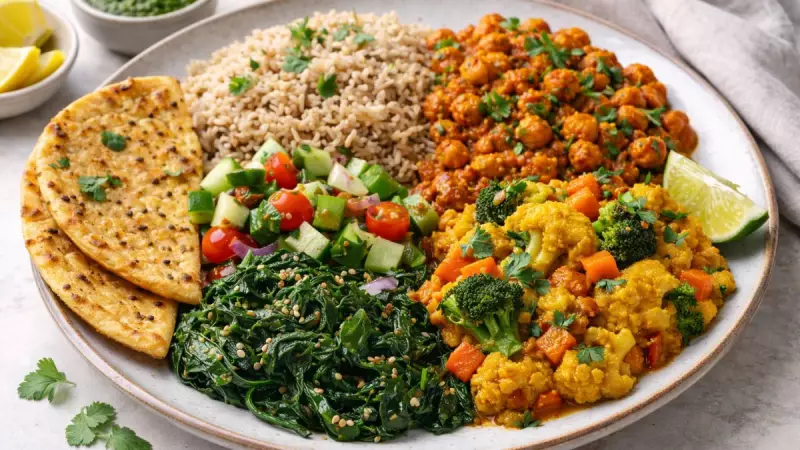
Gluten-Free Vegetarian Indian Foods: A Healthy Diet Guide for 2026
As we approach 2026, the focus on health and wellness continues to grow, with many individuals adopting gluten-free vegetarian diets. Indian cuisine, rich in diverse flavors and ingredients, offers a treasure trove of options for those seeking to avoid gluten while maintaining a vegetarian lifestyle. This guide explores the best gluten-free vegetarian Indian foods, their nutritional benefits, and practical tips for incorporating them into your daily meals.
Understanding Gluten-Free Diets in Indian Context
Gluten, a protein found in wheat, barley, and rye, can cause digestive issues for some people, such as those with celiac disease or gluten sensitivity. In India, traditional diets have long included many naturally gluten-free foods, making it easier to adopt this dietary approach. By 2026, awareness about gluten intolerance is expected to rise, driving more people to explore these options.
Top Gluten-Free Vegetarian Indian Foods
Indian cuisine boasts a variety of dishes that are inherently gluten-free and vegetarian. Here are some key categories:

- Grains and Legumes: Rice, millets (like bajra and jowar), quinoa, and lentils (dal) are excellent staples. These provide essential carbohydrates and proteins without gluten.
- Vegetable-Based Dishes: Curries made with vegetables like spinach, potatoes, and cauliflower, often cooked with spices and coconut milk, are flavorful and safe for gluten-free diets.
- Snacks and Appetizers: Items like roasted chickpeas, vegetable cutlets made with gluten-free flours, and fruit chaat offer tasty options without gluten.
- Desserts: Traditional sweets such as kheer (rice pudding) and fruit-based treats are naturally gluten-free when prepared without wheat-based thickeners.
Nutritional Benefits of Gluten-Free Vegetarian Indian Foods
Adopting a gluten-free vegetarian diet with Indian foods can offer numerous health advantages. These dishes are often high in fiber, vitamins, and minerals, thanks to the use of whole grains, legumes, and fresh vegetables. For example, millets are rich in iron and calcium, while lentils provide plant-based protein. By 2026, such diets are likely to gain popularity for promoting digestive health and reducing inflammation.
Tips for a Balanced Gluten-Free Vegetarian Diet in 2026
To ensure a nutritious and varied diet, consider the following tips:
- Diversify Your Grains: Rotate between rice, millets, and other gluten-free grains to avoid monotony and maximize nutrient intake.
- Read Labels Carefully: With processed foods becoming more common, check for hidden gluten in sauces, snacks, and packaged items.
- Incorporate Protein Sources: Include legumes, nuts, and dairy products to meet protein needs without relying on gluten-containing foods.
- Experiment with Recipes: Try adapting traditional recipes by using gluten-free flours like chickpea flour (besan) for breads and batters.
Future Trends in Gluten-Free Vegetarian Eating
Looking ahead to 2026, the demand for gluten-free vegetarian options is set to increase, driven by health consciousness and dietary preferences. Restaurants and food brands may expand their offerings, making it easier to find suitable meals. Additionally, home cooking with gluten-free ingredients could become more mainstream, supported by online resources and community sharing.
In summary, gluten-free vegetarian Indian foods provide a delicious and healthy way to eat, with plenty of options for every meal. By embracing these traditional dishes and modern adaptations, you can enjoy a balanced diet that supports overall well-being in the years to come.