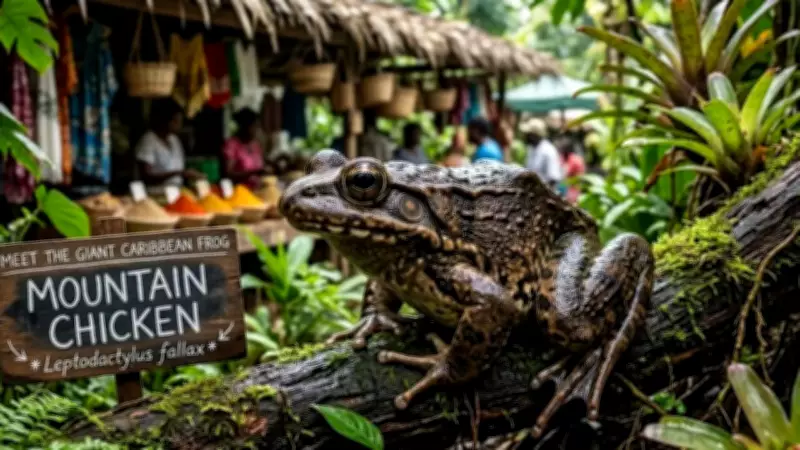
The giant Caribbean frog, a remarkable amphibian native to the Caribbean islands, has captured attention for its unusual size and flavor. Known scientifically as Leptodactylus fallax, this frog can grow up to 20 centimeters in length and weigh over 1 kilogram, making it one of the largest frogs in the world. Its meat is often described as tasting like chicken, leading to its popularity as a local delicacy.
Unique Characteristics of the Giant Caribbean Frog
This frog species is not only notable for its size but also for its distinctive appearance. It has a robust body with smooth, moist skin that ranges in color from brown to greenish, often with darker spots. Unlike many frogs, the giant Caribbean frog has powerful hind legs adapted for burrowing rather than jumping. It is primarily nocturnal and feeds on insects, small crustaceans, and other invertebrates.
Cultural and Culinary Significance
In several Caribbean nations, particularly Dominica and Montserrat, the giant Caribbean frog is considered a culinary treasure. Local communities have traditionally hunted these frogs for their meat, which is prepared in various ways—grilled, fried, or stewed. The flavor is often compared to chicken, making it an accessible exotic protein for tourists and locals alike. However, overhunting and habitat loss have led to a decline in populations, prompting conservation efforts.

Conservation Status and Efforts
The giant Caribbean frog is currently listed as vulnerable by the International Union for Conservation of Nature (IUCN). Its numbers have decreased due to deforestation, invasive species, and hunting. Conservation programs are underway to protect its natural habitat and promote sustainable harvesting. Some initiatives involve captive breeding and reintroduction into protected areas. Education campaigns also aim to raise awareness about the species' ecological importance and the need for responsible consumption.
Ecological Role
As a predator of insects and other small animals, the giant Caribbean frog plays a crucial role in maintaining the balance of its ecosystem. It helps control pest populations and serves as prey for larger animals. Its burrowing behavior also aids in soil aeration, benefiting plant growth. Protecting this frog is essential for preserving the biodiversity of Caribbean forests.
Future Prospects
With ongoing conservation efforts, there is hope for the recovery of the giant Caribbean frog. Sustainable farming practices are being explored to meet culinary demand without endangering wild populations. Ecotourism also offers opportunities for locals to benefit economically from the frog's presence, incentivizing its protection. The giant Caribbean frog stands as a symbol of the rich natural heritage of the Caribbean, reminding us of the delicate balance between human use and wildlife conservation.