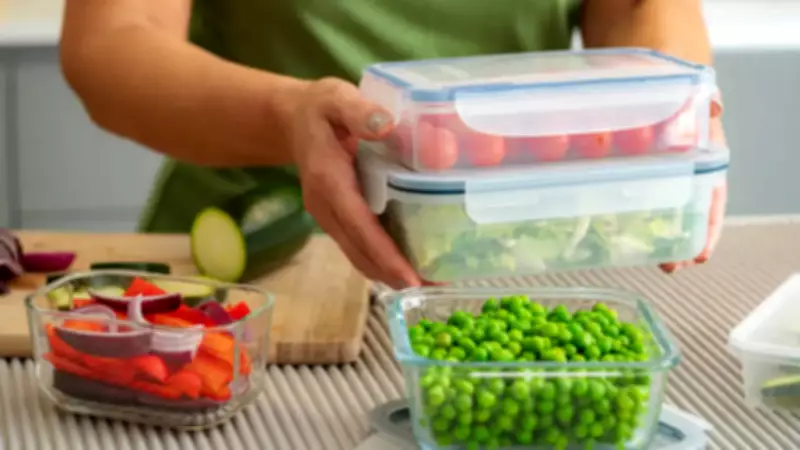
FSSAI's Strict Guidelines: 6 Foods to Never Store in Plastic Containers
In Indian kitchens, plastic containers are a ubiquitous storage solution, prized for their durability, unbreakable nature, and ease of maintenance compared to glass or ceramic alternatives. However, these conveniences come with significant health risks that can impact overall well-being. From parathas and sabzis to butter, cheese, and leafy greens, many households routinely use plastic for storage, even for hot school or office tiffins, often unaware of the potential toxicity. Experts warn that such containers may contain harmful chemicals like bisphenol A (BPA), commonly found in older plastics. Internationally, the USDA emphasizes that safe plastic containers must be non-toxic, impervious, smooth, durable, and resistant to cleaning chemicals. In India, the Food Safety and Standards Authority of India (FSSAI) has established stringent regulations under the Food Safety and Standards (Packaging) Regulations, 2018. Before delving into these guidelines, here are six types of foods you should avoid storing in plastic containers and the reasons why.
1. Raw Meat
Health experts strongly advise against storing raw meat in plastic containers due to serious food safety concerns. The grooves and scratches that often develop in plastic can trap bacteria from the meat, creating an environment conducive to bacterial growth. To minimize this risk, it is recommended to store raw meat in glass containers, which are easier to sanitize and less likely to harbor pathogens.
2. Fatty Foods
Many plastic containers contain lipophilic additives, meaning they dissolve more readily in fats than in water. When high-fat foods such as olive oil, butter, fish, fried items, and cream-based sauces are stored in these containers, these chemicals can migrate into the food, increasing the risk of contamination. This chemical transfer compromises food quality and poses health hazards over time.

3. Acidic Foods
According to health and wellness expert Dimple Jangda, acidic foods and vegetables like tomatoes, citrus fruits, and berries should not be stored in plastic containers. These items are rich in vitamin C and antioxidants, but plastic can leach chemicals into them, disrupting their pH balance. Jangda explains, "Storing them in glass containers helps preserve lycopene and flavonoids, which reduce oxidative stress and enhance nutrient absorption. Vitamin C levels can drop by 20-30% when these foods are kept in plastic."
4. Leafy Greens
Jangda also cautions against storing leafy greens such as spinach, kale, cilantro, curry leaves, coriander, moringa, and spirulina in plastic containers or bags. These water-rich vegetables can suffocate and dehydrate in plastic, leading to the loss of water-soluble vitamins like folate and vitamin K. This nutrient depletion occurs as the vegetables release essential compounds, diminishing their health benefits.
5. Fruits
Vitamin C-rich fruits like berries, cherries, and strawberries should be avoided in plastic storage. Jangda notes, "When stored in plastic containers, these fruits can lose up to 50% of their vitamin C content within just one day. For optimal preservation, use ceramic containers, steel bowls, or preferably glass containers." This rapid nutrient loss underscores the importance of choosing alternative materials for fruit storage.
6. Hot Food
Storing any hot food in plastic containers is particularly hazardous. Dimple warns, "All plastics contain phthalates and BPA, which can leach into food more rapidly when exposed to heat. This accelerates chemical release, making it even more injurious to health." To avoid this risk, always transfer hot meals to glass or other heat-safe containers before storage.
FSSAI Regulations on Plastic Containers for Food Packaging
The FSSAI's Food Safety and Standards (Packaging) Regulations, 2018, outline comprehensive rules to ensure plastic containers are safe for food contact. Key provisions include:

- Plastic materials must conform to Indian Standards specifications listed in Schedule III.
- Drinking water must be packed in colorless, transparent, tamper-proof bottles or containers made of approved materials like polyethylene (PE), polyvinyl chloride (PVC), polyalkylene terephthalate (PET/PBT), polypropylene (PP), food-grade polycarbonate, polystyrene, or sterile glass, with a minimum transparency of 85% light transmittance.
- Food-grade packaging materials, which may or may not contain plastic, must be compatible with the contents, with transparency requirements waived in some cases.
- All plastic-based packaging must pass an overall migration limit of 60mg/kg or 10mg/dm² when tested per IS 9845, with no visible color migration.
- Specific migration limits are set for substances like barium, cobalt, copper, iron, lithium, manganese, zinc, and antimony to prevent excessive chemical release.
- Pigments or colorants in plastics must conform to IS: 9833.
- Recycled polyethylene terephthalate (PET) may be used for food packaging only when standards are notified by the Food Authority, ensuring compliance with national regulations.
By adhering to these guidelines, consumers can make informed choices to protect their health while maintaining food safety standards in everyday storage practices.