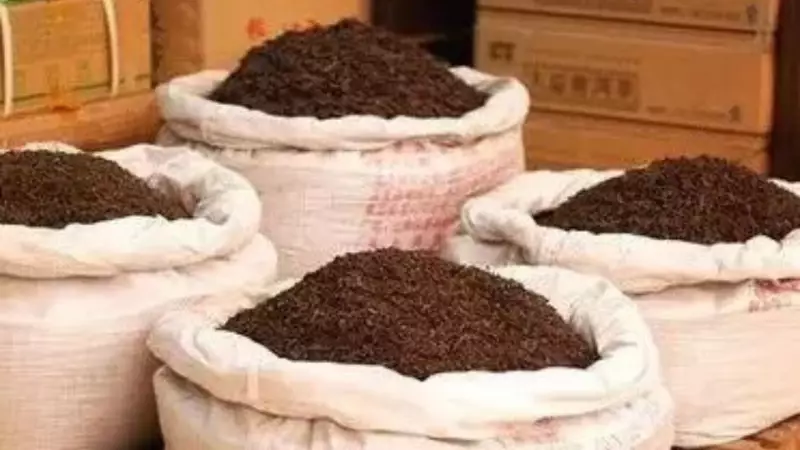
In a significant move to clear consumer confusion, India's national food regulator has issued a strict directive concerning what can legally be marketed as 'tea'. The Food Safety and Standards Authority of India (FSSAI) has ordered all food business operators to immediately cease branding herbal and plant-based infusions under the name 'tea'.
What Does the New FSSAI Directive Say?
The regulator clarified that the term 'tea' can only be used for products derived exclusively from the Camellia sinensis plant. This is the source of traditional variants like black tea, green tea, Kangra tea, and instant tea in solid form. The action comes under the Food Safety and Standards Act, 2006, and the associated Food Safety and Standards (Food Product Standards and Food Additives) Regulations, 2011.
FSSAI stated it had noticed several companies selling infusions made from ingredients like rooibos, flowers, or other herbs and botanicals under labels such as 'Rooibos Tea', 'Herbal Tea', or 'Flower Tea'. The authority has now declared that such branding misleads consumers and constitutes misbranding. Plant-based or herbal infusions do not qualify to be named tea, either directly or indirectly.

Industry Rebranding and Widespread Support
The directive will force a major rebranding exercise across the industry. Companies selling calming, detoxifying, or botanical blends must now find new names for their products. This change will also trigger large-scale relisting on e-commerce and online grocery platforms where such products are widely sold.
The move has been welcomed by key stakeholders in the traditional tea industry. Bidyananda Barkakoty, adviser to the North Eastern Tea Association, expressed strong support for the clarification. "We are very happy with this much-needed clarification from FSSAI," he said. He believes the clear definition will remove ambiguity from consumers' minds and help eliminate market clutter and confusion.
Barkakoty also pointed to international precedent, noting that even the US Food and Drug Administration (FDA) recognizes only tea from Camellia sinensis as a beverage that can be associated with certain health claims, not herbal infusions.
Implications for Consumers and the Market
This regulatory crackdown aims to ensure transparency and protect consumers. When a product is called 'tea', buyers often associate it with the specific properties and processing standards of Camellia sinensis. Herbal infusions, while potentially beneficial, are fundamentally different in composition and origin.
The enforcement of this rule will help shoppers make more informed choices. They will now be able to clearly distinguish between a true tea and a herbal or floral infusion based on the product's name itself. For the market, it levels the playing field for authentic tea producers and requires herbal blend companies to innovate in their marketing and branding strategies without relying on the established 'tea' nomenclature.