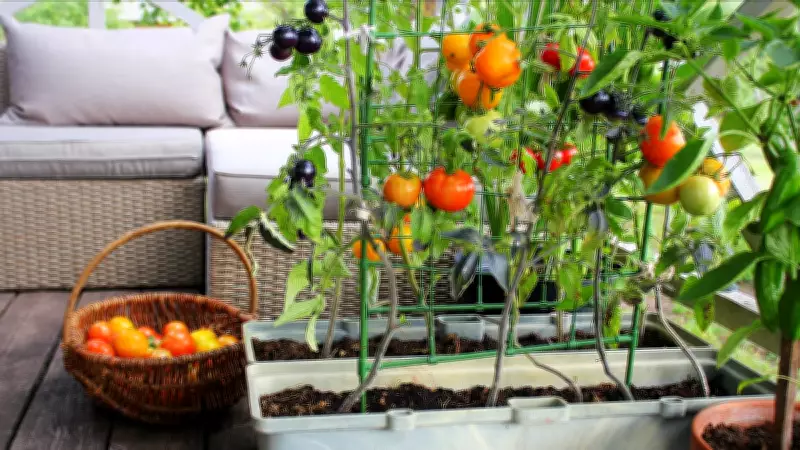
It was a delight to watch the plant turn into a creeper, its tendrils reaching out and clinging gently to the railing. This simple act of nature brought immense joy and a sense of accomplishment. The journey from kitchen peels to a flourishing garden is a testament to the magic of sustainability and patience.
The Beginning: Kitchen Scraps as Seeds
What started as a small experiment with leftover vegetable peels and seeds soon turned into a full-fledged gardening passion. Instead of discarding onion skins, potato eyes, and carrot tops, they were placed in soil and water, giving them a second chance at life. The first sprout was a moment of pure wonder, sparking a deeper interest in home gardening.
Nurturing Growth: Simple Steps for Success
Gardening from scraps requires minimal investment but offers rich rewards. A sunny windowsill, regular watering, and a bit of patience are all it takes. For instance, regrowing green onions from their white roots in a glass of water yields fresh greens within days. Similarly, avocado pits suspended in water develop roots and eventually grow into leafy plants. These small successes build confidence and encourage further experimentation.

- Choose the right scraps: Not all kitchen waste is suitable. Opt for scraps with intact roots or seeds, such as lettuce stems, basil cuttings, or ginger rhizomes.
- Provide adequate light: Most plants need at least 4-6 hours of indirect sunlight daily. A south-facing window works best.
- Water wisely: Overwatering is a common mistake. Ensure proper drainage and let the soil dry slightly between waterings.
- Be patient: Growth takes time. Some plants may take weeks to show progress, but the wait is worth it.
Benefits Beyond the Harvest
Home gardening offers more than just fresh produce. It reduces kitchen waste, lowers grocery bills, and provides a sense of self-sufficiency. Moreover, tending to plants has therapeutic effects, reducing stress and improving mental well-being. The act of watching a seed transform into a mature plant fosters patience and a deeper connection to the environment.
Overcoming Challenges
Not every attempt succeeds. Pests, mold, or slow growth can be discouraging. However, these challenges are learning opportunities. Researching plant needs, adjusting watering schedules, and using natural pest repellents like neem oil can turn failures into successes. The key is to persist and enjoy the process.
Sharing the Joy
Gardening is a journey best shared. Exchanging cuttings and tips with friends and neighbors builds community and spreads the joy of growing. Social media groups and local gardening clubs offer support and inspiration. As the creeper climbs higher, it reminds us that from small beginnings, abundance can flourish.
In conclusion, transforming peels into plenty is a rewarding endeavor that combines sustainability, creativity, and patience. Whether you have a sprawling backyard or a tiny balcony, home gardening invites you to reconnect with nature and savor the fruits of your labor.