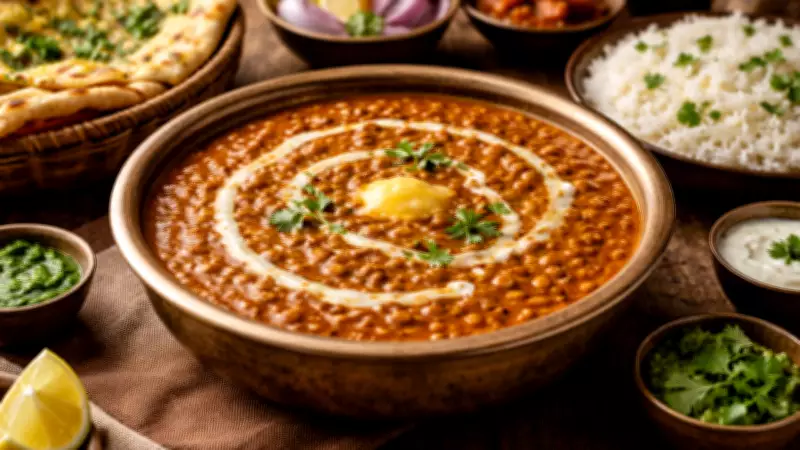
Master Dhaba-Style Dal Makhani at Home: A Slow-Cooked Luxury Recipe
There is an unmistakable indulgence associated with dal makhani served at a bustling highway dhaba. This iconic dish arrives piping hot, glistening with butter, carrying a faint smoky aroma, and boasting a richness that compels you to tear off an extra piece of naan just to savor every last drop. This is far from the quick, everyday pressure-cooker dal you might prepare on a busy weeknight. Authentic dhaba-style dal makhani is the epitome of patient, slow-cooked cuisine, built upon hours of gentle simmering, generous amounts of dairy, and a tempering that infuses the entire dish with aromatic spices. The excellent news is that you do not require industrial burners or a roadside kitchen to recreate this culinary magic. With some careful planning and a willingness to let your pot work its magic quietly, you can craft a homemade version that feels equally luxurious and deeply comforting.
Essential Ingredients for Authentic Dhaba-Style Dal Makhani
To begin, you will need whole black urad dal, also known as sabut urad, along with a small quantity of rajma. Both lentils must be soaked overnight until they become plump and soft. The aromatic foundation includes finely chopped onions, fresh ginger, garlic, and green chillies. For the flavorful base, have ripe tomato purée ready, along with Kashmiri red chilli powder for vibrant color, turmeric, and garam masala. Butter and fresh cream are absolutely non-negotiable; these ingredients impart the signature silkiness and richness to the dish. You will also need a splash of cooking oil. Whole spices such as a bay leaf, a cinnamon stick, green cardamom, and cloves are essential for deepening the flavor profile during the slow simmer. Finish with kasuri methi, salt to taste, and optionally, a pinch of sugar to balance any acidity.
Step-by-Step Guide to Perfect Slow-Cooked Dal Makhani
Step 1: Soak and Pressure-Cook the Lentils

Drain the soaked urad dal and rajma thoroughly. Transfer them to a pressure cooker, add plenty of water along with a little salt. Cook until the lentils become completely soft and creamy, which typically takes between 25 to 35 minutes depending on your cooker. The grains should mash easily between your fingers. Set them aside along with their cooking liquid.
Step 2: Build the Buttery and Aromatic Base
Heat oil and a generous knob of butter in a heavy-bottomed pan. Add the bay leaf, cinnamon stick, cardamom, and cloves. Allow them to sizzle until they release their fragrant aroma. Stir in the chopped onions and cook patiently until they turn golden brown and develop a slight caramelization. Add the ginger, garlic, and green chillies, sautéing until the raw smell completely disappears.
Step 3: Incorporate Tomatoes and Spices
Pour in the tomato purée, followed by turmeric and Kashmiri red chilli powder. Cook this masala thoroughly, stirring frequently, until it thickens, darkens in color, and the butter begins to separate at the edges. This crucial step is what imparts that restaurant-style depth and complexity to the dish.
Step 4: Combine and Begin the Slow Simmer
Add the cooked dal and rajma to the pan along with some of their reserved cooking liquid. Stir well to combine. Lightly mash a few lentils against the side of the pan to help thicken the gravy. Adjust salt if necessary. Reduce the heat to low and let the dal simmer uncovered for at least 30 to 45 minutes. Stir every few minutes to prevent it from sticking to the bottom. Remember, the longer it cooks, the more profound and developed the flavors become.
Step 5: Add Creaminess and That Signature Smoky Touch
Stir in additional butter and fresh cream. Sprinkle garam masala and crush kasuri methi between your palms before adding it to the dal. For an authentic dhaba-style smoky flavor, you can perform a gentle smoking technique. Heat a piece of charcoal until it is red-hot, place it in a small heatproof bowl over the dal, drizzle a little ghee on it, cover the pot immediately, and let it infuse for about one to two minutes before carefully removing the charcoal.
Step 6: Rest and Serve Your Culinary Masterpiece

Turn off the heat and allow the dal to rest for approximately ten minutes. This resting period lets the flavors meld and settle beautifully. Taste and adjust the seasoning if needed, then swirl in a final spoonful of cream for added richness.
Serve your homemade dhaba-style dal makhani hot with butter naan, tandoori roti, or simple jeera rice. Do not forget to accompany it with extra sliced onions and a wedge of lemon on the side. This dish represents slow food at its most comforting and satisfying. Once you master this recipe, your regular weeknight dal might never feel quite the same again.