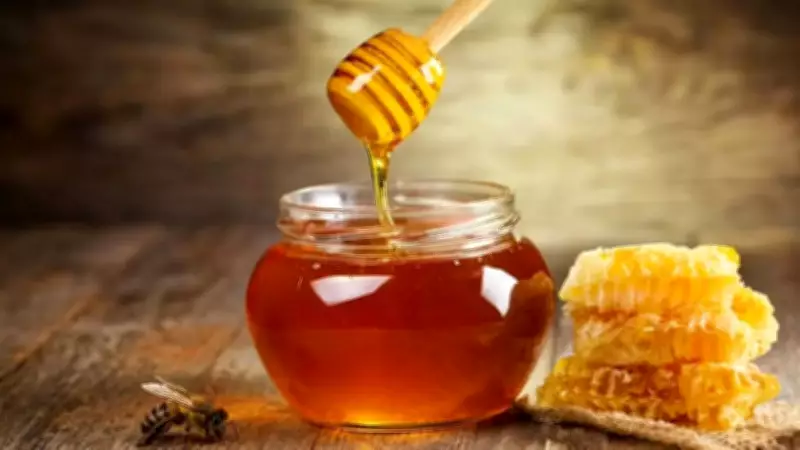
How to Detect Adulterated Honey: 10 Simple Home Tests for Purity
With rising concerns about food adulteration, ensuring the purity of honey has become crucial for health-conscious consumers. Pure honey offers numerous benefits, but fake versions diluted with sugar syrups can be harmful. Here are ten straightforward methods to verify honey authenticity at home, helping you avoid counterfeit products and enjoy genuine nutritional value.
1. The Texture Test: Too Runny to Be Real?
Pure honey is naturally thick and dense, flowing slowly in a continuous, smooth stream when poured. It does not break easily and settles uniformly, reflecting its authentic composition. In contrast, adulterated honey—often diluted with sugar syrup or water—appears runny and lacks viscosity. It breaks into droplets and spreads quickly, losing that rich, cohesive flow. This difference in texture is one of the easiest visual indicators of purity and can be checked instantly without any tools.
2. The Appearance Check: Looks Perfect? That’s the Catch!
Real honey rarely looks uniform. Its colour can range from light golden to dark amber depending on the floral source, season, and processing. It may even appear slightly cloudy or uneven. Fake honey, however, often looks too perfect—clear, consistent, and identical throughout. This uniformity is usually a result of processing or the addition of sugar syrups designed to mimic natural honey. If your honey looks unusually polished or identical every time, it may not be as pure as it seems.

3. Crystallisation: A Natural Sign of Authenticity
Crystallisation is a natural process in pure honey caused by its glucose content. Over time, it may turn grainy or semi-solid, especially in cooler temperatures. This does not mean the honey has gone bad—in fact, it’s a sign of authenticity. Fake or highly processed honey often remains in a liquid state for long periods because additives are used to prevent crystallisation. If your honey never thickens or changes texture, it could be a sign of adulteration.
4. The Flame Test: Will It Burn?
One commonly cited method is the flame test. A cotton wick dipped in pure honey can burn because it contains very little moisture. Adulterated honey, especially if mixed with water, may not ignite easily or may produce crackling sounds. However, this test should be used cautiously and only as an additional check, as results can vary. Still, it offers an interesting way to observe the moisture content and possible dilution in honey.
5. Foam Formation: A Red Flag for Impurity
Pure honey generally contains very little air or moisture, so it does not produce excessive foam or bubbles. If you notice a layer of froth or continuous bubbling on the surface, it could indicate fermentation or the presence of added substances. Adulterated honey, especially when mixed with syrups or stored improperly, may show unusual foam formation. While small bubbles can occur naturally, excessive froth is often a warning sign that the honey may not be pure.
6. The Scent Test: Trust Your Nose!
Pure honey carries a subtle, pleasant floral aroma that varies depending on the flowers from which it is derived. This natural scent is usually mild but noticeable. Adulterated honey, however, may lack this fragrance entirely or smell artificial due to added flavouring agents. In some cases, it may even have a slightly chemical or overly sweet smell. While smell alone isn’t enough to confirm purity, it can be a helpful supporting indicator when combined with other tests.
7. The Water Test: A Simple and Effective Method
A simple glass of water can reveal a lot about your honey. Pure honey, due to its density, settles at the bottom when added to water and does not dissolve immediately. It retains its form for some time. Adulterated honey, on the other hand, dissolves quickly and spreads in the water, often forming a cloudy mixture. This happens because added sugars and water reduce its density. This quick home test is widely used and can give an instant visual clue about possible adulteration.

8. Understanding Adulterants: What’s Really Inside?
Adulterated honey is often mixed with sugar syrups such as glucose, fructose, or even high fructose corn syrup to increase quantity and reduce cost. These additives mimic the sweetness of natural honey but significantly reduce its nutritional value. In some cases, artificial flavours and colours may also be added. Such practices not only compromise quality but also mislead consumers who believe they are consuming pure, natural honey.
9. Health Implications: Sweet but Harmful?
While honey is known for its health benefits, adulterated honey may offer little to no nutritional value. It can lack essential enzymes, antioxidants, and antibacterial properties found in pure honey. Regular consumption of such fake products may also expose consumers to excess sugars or unwanted chemicals. Over time, this can impact overall health, making it important to ensure that the honey you consume is genuine and unadulterated.
10. Safety Tips: Don’t Get Fooled!
With rising cases of adulteration, being aware is the first step toward safety. Always purchase honey from trusted and certified sources, and do not rely solely on packaging claims. Simple home tests—like checking texture, colour, or behaviour in water—can help identify purity. Staying informed and cautious can go a long way in ensuring that what you consume is safe, natural, and truly beneficial for your health.
By incorporating these tests into your routine, you can better protect yourself from counterfeit honey and enjoy the full benefits of this natural sweetener. Remember, vigilance and knowledge are key to making informed choices in today’s market.