The Coin Hack: A Simple Test to Check if Your Freezer Lost Power
Leaving home often involves shutting the door behind you, stepping away from the hum of household appliances like the freezer. This essential device works tirelessly to preserve food by maintaining a constant cold environment. However, an unexpected power cut can disrupt this equilibrium rapidly, posing risks to stored items.
How the Coin Hack Works
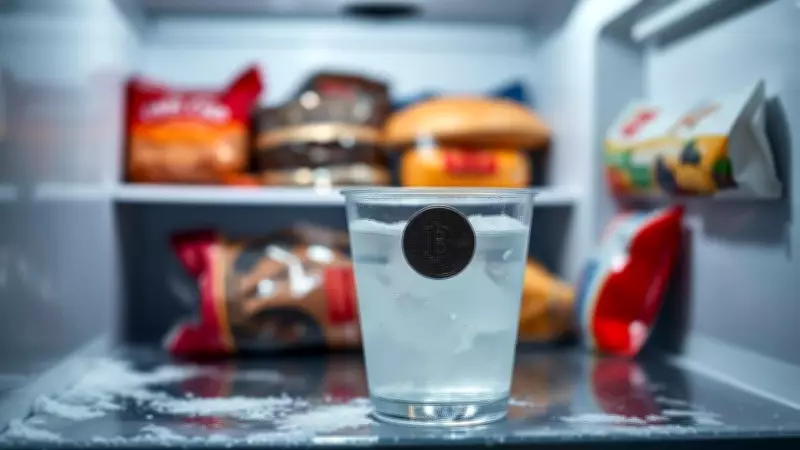
Upon returning, you might discover food items that appear fully frozen, even if they thawed partially during an outage. This uncertainty led to the popularity of a clever DIY method. The process is straightforward: pour water into a cup, freeze it solid, place a coin on top of the ice, and leave it in the freezer. Within minutes, you can assess what occurred in your absence.
Here is a step-by-step guide to implementing this hack:

- Fill a cup with water and allow it to freeze completely in the freezer.
- Once frozen, place a coin on the surface of the ice.
- Wait a few minutes or check after some time to observe any changes.
If the coin remains in its original position, it indicates that the freezer temperature stayed consistent. Conversely, if the coin sinks into the ice, it suggests that melting and refreezing occurred due to temperature fluctuations.
The Science Behind the Coin Movement
This phenomenon is rooted in the behavior of ice crystals under varying temperatures. According to research, such as the Fractal Analysis of Ice Crystals in Frozen Food, freezing and melting processes cause crystals to restructure and enlarge. As these crystals shift, they can displace objects embedded within the ice, explaining why the coin moves when temperatures change.
Limitations and Food Safety Considerations
While the coin experiment is convenient, it has notable limitations. It cannot determine the duration of a power outage or measure exact temperature levels. Food safety relies heavily on both time and temperature factors, as highlighted in studies like Advances in Intelligent Time-Temperature Indicators for Cold Chain Monitoring: Mechanisms, Challenges, and Applications. Minor temperature variations can compromise food quality and safety, potentially leading to unnoticed spoilage after refreezing.
To enhance safety, always inspect food for additional signs of spoilage, such as:
- Unusual odors or textures
- Visible ice crystal formations within packaging
- Changes in color or consistency
Maintaining a full freezer and minimizing door openings can help stabilize temperatures, reducing risks during outages.
Practical Tips for Freezer Management
Before departing, consider these easy actions to safeguard your freezer contents:
- Keep the freezer well-stocked to promote consistent cooling.
- Add frozen water bottles to enhance cold retention.
- Avoid unnecessary door openings, especially during power failures, as a closed freezer can retain cold for hours or even up to two days under ideal conditions.
Conclusion: A Small Habit with Big Benefits
The coin test stands out for its simplicity and practicality. It is not a substitute for thorough food inspection but serves as a useful preliminary check. By adopting this small habit, you can make more informed decisions about food safety after trips, providing peace of mind in everyday life.