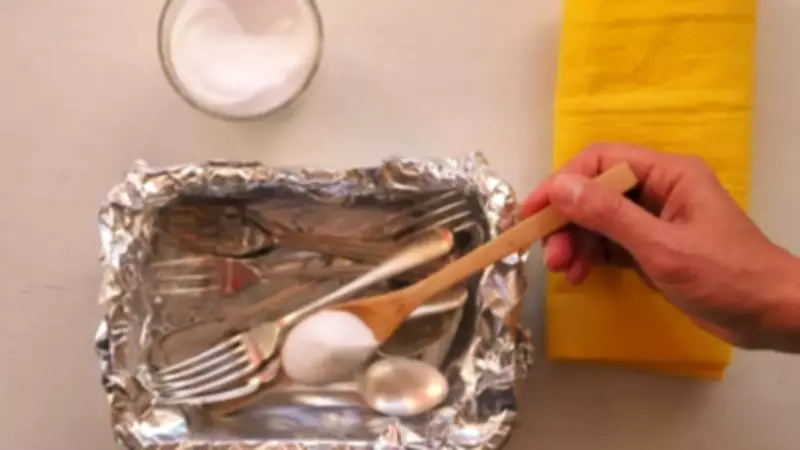
Effortless Burnt Utensil Cleaning: The Aluminum Foil Method Explained
Dealing with burnt cookware is a daily frustration that plagues kitchens everywhere. The stubborn, charred residues that cling to pots and pans often demand significant scrubbing effort and sometimes even involve harsh chemical cleaners. However, there exists a remarkably simple and effective solution that can restore your utensils to their former glory in just minutes. The secret lies in a common household item: aluminum foil.
Why Aluminum Foil Works Wonders on Burnt Cookware
Aluminum foil serves as an exceptional abrasive agent specifically designed to tackle tough, burnt-on spots without causing excessive damage. Unlike steel wool or other coarse materials, aluminum foil is less prone to leaving deep, permanent scratches on your cookware surfaces. This makes it an ideal, gentle-yet-effective tool for removing stubborn stains. The material's malleability allows it to conform to various utensil shapes, ensuring comprehensive cleaning with minimal physical exertion.
Step-by-Step Guide to Cleaning Burnt Utensils with Aluminum Foil
Step 1: Prepare the Utensils for Cleaning

Before introducing aluminum foil, it is crucial to soften the burnt areas to facilitate easier stain removal. Begin by filling the affected utensil with warm water. Add a few drops of mild dish soap to create a soaking solution. Allow the cookware to sit in this liquid for approximately 10 to 15 minutes. This preliminary step loosens the burnt residues, making the subsequent scrubbing process significantly more efficient.
Step 2: Utilize Aluminum Foil for Gentle Scrubbing
Take a standard piece of aluminum foil and crumple it into a compact ball. Use this foil ball as a scrubber, applying it directly to the burnt spots with gentle, circular motions. For enhanced cleaning power, you may sprinkle a small amount of baking soda onto the foil or directly onto the stained area. The combination creates a mildly abrasive paste that effectively breaks down tough residues. Remember to scrub gently to avoid damaging the cookware's surface.
Step 3: Rinse and Repeat if Necessary
After scrubbing, thoroughly rinse the utensil with clean water to wash away all loosened particles and residue. If any stubborn spots persist, repeat the soaking and scrubbing process rather than applying excessive force. Aggressive scrubbing can scratch or otherwise damage the cookware, leading to more significant cleaning challenges in the future.
Step 4: Dry the Utensils Completely
Once all burnt spots are successfully removed, dry the cookware immediately using a soft, clean cloth. This step is essential to prevent water spots from forming on the surface. To minimize the need for this cleaning method, develop the habit of cleaning your cookware promptly after each use, which helps prevent burnt residues from accumulating.
Important Considerations and Disclaimer
This article provides general informational guidance on household cleaning techniques. The aluminum foil method described is based on common practices and may yield varying results depending on the specific type of utensil and the severity of the burn damage. Readers are strongly advised to test this method on a small, inconspicuous area of their cookware first, especially with non-stick or specialty surfaces, and adjust the technique according to the material's sensitivity.