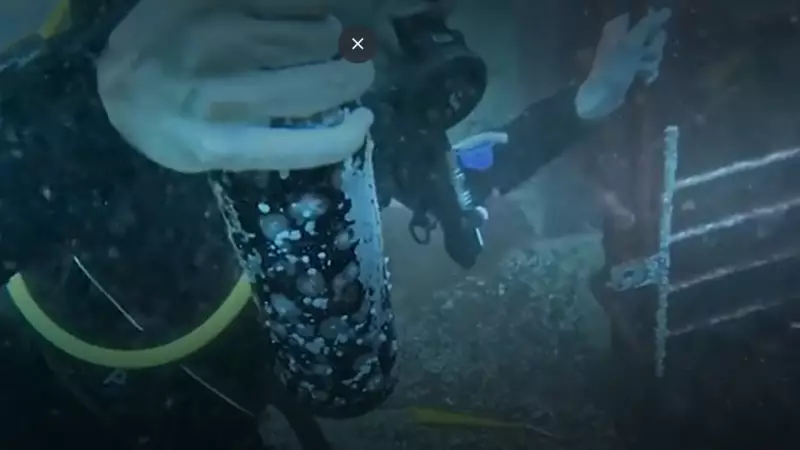
Chilean Divers Pioneer Underwater Wine Aging in Pacific Ocean Experiment
In a fascinating fusion of viticulture and marine science, divers off the northern coast of Chile are conducting an innovative experiment that challenges traditional winemaking methods. Instead of relying on conventional underground cellars, they are submerging wine bottles into the depths of the Pacific Ocean, securing them in metal cages on the sea floor for extended periods. This unconventional approach leverages the ocean's natural properties to potentially enhance the aging process, drawing attention from both the wine industry and environmental enthusiasts.
Transforming the Ocean into a Natural Wine Cellar
The project, operated near the Chilean coastline, is a collaborative effort between divers from Cava Indus 8 and the ODC diving center. Bottles are carefully placed in cages on the seabed near Isla de Locos, where water temperatures remain consistently around 11°C throughout the year. This underwater environment offers significant advantages over surface storage, as it eliminates exposure to light and prevents sudden temperature fluctuations—both factors that can adversely affect wine quality during aging.
At depths ranging from 10 to 20 metres, the increased water pressure is believed to influence how minimal amounts of oxygen interact with the wine through the cork, potentially slowing down the aging process. Combined with the constant cold and complete darkness, these conditions create a highly controlled setting that encourages gradual development rather than rapid changes. Professional tastings have indicated that ocean-aged wines exhibit smoother tannins and a more integrated structure, though the flavor differences are subtle rather than dramatic.

Early Results and Historical Context
Initial findings suggest that certain grape varieties respond more favorably to underwater aging. White wines and cool-climate grapes, such as Chardonnay, Sauvignon Blanc, and Pinot Noir, appear particularly well-suited due to their sensitivity to oxidation and temperature variations. While heavier red wines can also be aged using this method, the outcomes are less consistent and remain under ongoing study.
Although this concept might seem novel, it has historical roots. Bottles recovered from shipwrecks in European seas have often been found in remarkably good condition after decades submerged, inspiring producers in Europe to experiment with underwater aging previously. Chile's initiative stands out because it applies this idea in a country renowned as one of the world's largest wine exporters, potentially setting a new standard for sustainable practices in the industry.
Environmental Benefits and Industry Implications
One of the most compelling aspects of underwater wine aging is its minimal energy requirement. Traditional cellars depend on costly infrastructure and climate control systems to maintain stable conditions, whereas the ocean naturally provides similar stability without the need for refrigeration or electricity. For an industry grappling with rising temperatures and escalating energy costs, this approach offers a promising way to reduce environmental impact while preserving wine quality.
Project leaders emphasize that underwater aging is not intended to replace conventional methods but rather to explore how different environments influence wine development. This experiment reflects a broader shift in winemaking toward working in harmony with natural conditions instead of attempting to overpower them. In this sense, the cages resting on the ocean floor symbolize more than a mere novelty—they represent a concerted effort to rethink aging processes by utilizing the planet's inherent resources as allies.
As this pioneering experiment continues, it could pave the way for more sustainable practices in winemaking, blending tradition with innovation to create unique products that resonate with eco-conscious consumers worldwide.