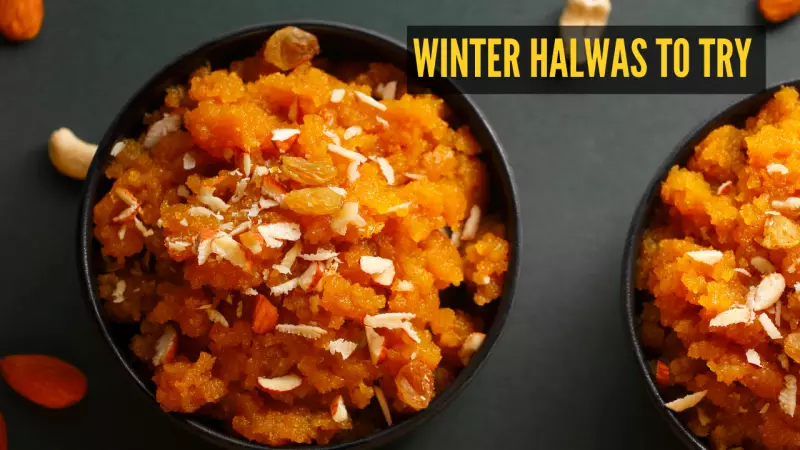
As the winter chill descends upon North India, the historic lanes of Old Delhi, or Purani Dilli, come alive with the rich, comforting aromas of seasonal sweets. The tradition of preparing and consuming specific halwas during the colder months is a deep-rooted part of the city's culinary heritage, offering warmth and nourishment.
A Sweet Tradition Rooted in History
The narrow bylanes around Chandni Chowk, Jama Masjid, and Chawri Bazaar transform into a paradise for sweet lovers from late November through February. These winter-specific halwas are not just desserts; they are considered nourishing foods that provide energy and warmth. The recipes, often passed down through generations of halwais, use ingredients that are seasonally abundant and believed to have health-boosting properties suited for the cold weather.
8 Iconic Winter Halwas of Purani Dilli
While countless varieties exist, eight types stand out for their unique flavors and historical significance in Delhi's winter food scene.

Gajar ka Halwa: The undisputed king of winter halwas, made from red carrots that are at their sweetest during this season. Slow-cooked with milk, khoya, and ghee, it's a staple in every shop and household.
Moong Dal Halwa: A rich, decadent preparation that requires hours of constant stirring. Made from split yellow lentils, ghee, and sugar, it's known for its melt-in-the-mouth texture and is often associated with celebrations.
Suji ka Halwa: A simpler, yet beloved version made from semolina, often flavored with cardamom and garnished with dry fruits. It's commonly prepared during religious occasions and served as a prasad.
Atta ka Halwa: Made from whole wheat flour roasted in ghee until nutty and aromatic, then sweetened with sugar syrup. This halwa is prized for its hearty, wholesome flavor.
Kaddu ka Halwa: A unique and lesser-known variety made from pumpkin. The vegetable's natural sweetness and moisture create a distinct, mildly flavored halwa that is both light and satisfying.
Chana Dal Halwa: Prepared from Bengal gram dal, this halwa is protein-rich and has a dense, fudge-like consistency. It's a specialty in many old establishments.
Badam ka Halwa: An opulent treat made from ground almonds, milk, and saffron. It's considered a warming food and is often recommended for its nutritional value.
Methi ke Beej ka Halwa: Perhaps the most unique on the list, this halwa is made from fenugreek seeds. It has a slightly bitter undertone balanced by sweetness and is traditionally believed to have medicinal benefits for winter ailments.
More Than Just a Sweet Treat
The culture of winter halwas in Old Delhi goes beyond mere consumption. It represents a seasonal ritual, a reason for families to gather, and a vital part of the local economy. For the halwais, winter is the peak business season, and their shops see long queues of eager customers. These sweets are also integral to winter festivals, weddings, and family gatherings, symbolizing hospitality and celebration.
Each establishment in Purani Dilli, from century-old shops like Ghantewala and Chaina Ram Sindhi Confectioners to smaller, family-run stalls, guards its recipes fiercely. The taste, texture, and color of their halwa become their signature. For visitors and Delhiites alike, a winter trip to Old Delhi remains incomplete without sampling at least one of these warm, ghee-laden delicacies, a delicious testament to the city's living food history.