8 Traditional Indian Chutneys: Regional Flavors and Perfect Food Pairings
India's vibrant food culture remains incomplete without chutney, the humble yet essential accompaniment that rarely claims the spotlight but consistently defines entire meals. Long before commercial sauces and dips entered Indian kitchens, chutneys were meticulously prepared on stone slabs, crafted from seasonal ingredients, regional produce, and inherited culinary wisdom rather than written recipes. These condiments, ranging from sharp and fiery to sweet and cooling, each carry the distinct landscape of their origin: coconut-rich coastal regions, mustard-loving plains, herb-filled hills, or spice-heavy deserts. Here are eight traditional chutneys from across India and the specific foods they complement most effectively.
Coconut Chutney from Tamil Nadu and Karnataka
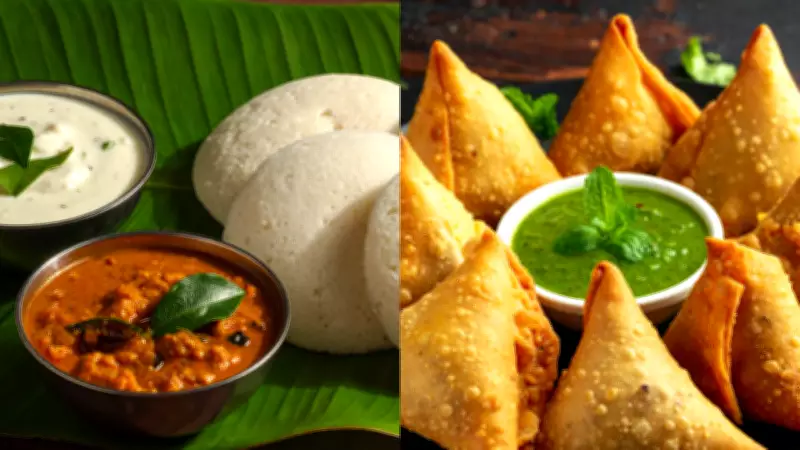
Few accompaniments are as instantly recognizable as coconut chutney served alongside steaming idlis or crisp dosas. This classic preparation combines freshly grated coconut, roasted chana dal, green chillies, and a tempering of mustard seeds and curry leaves, achieving a perfect balance of creaminess with gentle heat.
Its magic lies in contrast: The soft neutrality of idli or the fermented tang of dosa becomes significantly brighter when dipped into the cool, nutty chutney. It also pairs beautifully with medu vada, where the crunchy exterior meets the chutney's smooth texture. In South Indian households, daily variations demonstrate remarkable adaptability, with thinner versions for breakfast and thicker preparations for snacks.

Pudina Chutney from North India
Fresh, sharp, and deeply aromatic, pudina chutney embodies the essence of North Indian street food. Ground with mint leaves, coriander, green chillies, lemon juice, and sometimes yogurt, it delivers instant freshness and herbal complexity.
This chutney works exceptionally well with rich or fried foods. Think samosas, pakoras, kebabs, or aloo tikki—dishes that benefit from a herbal lift to cut through their inherent heaviness. Spread inside sandwiches or rolled into wraps, it transforms simple ingredients into something lively and multi-layered. Its cooling effect explains why it remains a summer staple across northern states.
Peanut Chutney from Andhra Pradesh
In Andhra kitchens, peanuts transcend their snack status to become a deeply satisfying chutney packed with roasted flavor. Ground with dried red chillies, garlic, tamarind, and tempered spices, peanut chutney offers bold, slightly smoky notes.
Unlike lighter chutneys, this preparation adds substantial body to meals. It pairs exceptionally well with dosa, pesarattu (green gram crepes), and even plain steamed rice enhanced with a drizzle of ghee. The nuttiness complements fermented batters while the tanginess keeps every bite interesting and flavorful.
Tamarind Chutney from Uttar Pradesh and Delhi
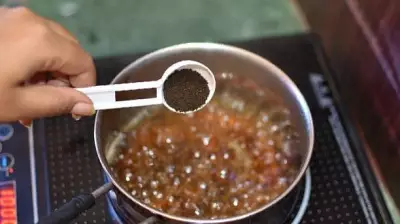
Sweet tamarind chutney, commonly called imli chutney, represents the soul of North Indian chaat. Created by simmering tamarind pulp with jaggery, cumin, and spices, it delivers a perfect harmony of sweet, sour, and mildly spiced notes.
Its ideal partners include papdi chaat, dahi bhalla, pani puri fillings, and samosas. Without this chutney, chaat loses its signature contrast and complexity. The preparation softens spice, enhances crunch, and ties together multiple textures into one cohesive bite, demonstrating that chutney can function as a structural element rather than merely a condiment.
Gongura Chutney from Andhra Pradesh and Telangana
Gongura, or sorrel leaves, provide this chutney with its unmistakable sour punch. Cooked with garlic, chillies, and oil before grinding, gongura chutney presents intense, earthy, and addictive flavors.
It pairs best with hot rice and ghee, a combination that feels both humble and deeply comforting. The tartness effectively cuts through richness, making even simple meals remarkably satisfying. Many households also serve it alongside dal and millet rotis, where its boldness acts as the primary flavor anchor.
Tomato Chutney from Andhra and Tamil Homes
Unlike sweeter tomato chutneys found elsewhere, South Indian tomato chutney leans savory and spicy. Tomatoes are sautéed with onions, garlic, and red chillies before grinding and tempering.

Its tangy depth pairs effortlessly with dosa, uttapam, and even plain curd rice. The acidity of tomatoes brightens fermented dishes while the spice adds warmth, establishing it as a dependable everyday chutney in numerous households across the region.
Bhang Ki Chutney from Uttarakhand
One of India's most unique regional chutneys originates from the Himalayan state of Uttarakhand. Prepared using roasted hemp seeds (bhang), along with green chillies, garlic, and lemon juice, this chutney offers nutty, slightly smoky flavors unlike any other.
Traditionally served with mandua (ragi) rotis, aloo ke gutke, or simple mountain meals, it reflects the resourcefulness of hill cuisine, where local seeds and herbs fundamentally shape flavor profiles. Despite its unusual ingredient, the chutney is prized for its warmth and depth rather than intense heat.
These eight traditional chutneys showcase India's incredible culinary diversity, where regional ingredients transform into essential accompaniments that elevate everyday meals into memorable dining experiences.