8 Daily Indian Food Habits with Hidden Historical Origins
Food habits rarely arrive with clear explanations. They slip into daily life quietly, like the squeeze of lemon over dal, the instinct to pair pickle with a simple meal, or the habit of ending lunch with something sweet. Across Indian homes, these rituals feel natural, almost inherited, and are followed without question because they have always been done that way. Yet behind these everyday choices lies a long journey shaped by climate, Ayurveda, migration, trade, and historical encounters that subtly reshaped how India eats. What seems ordinary today is, in fact, centuries of wisdom and cultural exchange continuing to live unnoticed on our plates.
Eating with Hands Instead of Cutlery
For many Indians, eating with hands is natural, comforting, and deeply satisfying. But this habit is not merely a cultural preference; it has profound philosophical roots in Ayurveda. Traditional Indian thought views eating as a holistic sensory experience involving touch, smell, sight, taste, and sound. Using fingers was believed to activate nerve endings that prepare the digestive system and help regulate portion control. The combination of rice, dal, and sabzi mixed by hand was also meant to balance textures and temperatures before consumption. Long before mindfulness became a global wellness trend, Indian meals were already designed to be consciously experienced, fostering a deeper connection with food.
Adding Pickle to Almost Every Meal
Achaar is less a side dish and more an emotional constant in Indian households. Its origin, however, lies in preservation science. Before refrigeration, pickling vegetables and fruits in oil, salt, and spices allowed communities to store seasonal produce for months. Fermentation also introduced beneficial bacteria that supported gut health. Today, even when fresh food is available year-round, meals often feel incomplete without that sharp, spicy accompaniment, a habit born from survival and practicality that has endured through generations.

Drinking Chai Multiple Times a Day
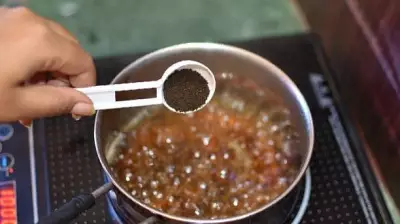
Tea feels inseparable from Indian identity, yet chai became widespread only during the British colonial period. The British promoted tea cultivation in Assam and encouraged Indians to consume it to build a domestic market. Indians transformed the drink entirely, adding milk, sugar, ginger, cardamom, and spices, creating masala chai. What began as colonial commerce evolved into a cultural ritual tied to conversation, work breaks, and hospitality, now deeply embedded in daily life.
Pairing Rice or Roti with Yogurt
A bowl of curd alongside meals is common across Indian states, especially during lunch. This habit traces back to climate adaptation and Ayurvedic cooling foods. Fermented dairy helped balance the heat of spices and tropical temperatures while introducing probiotics that improved digestion. In hot regions, curd rice or roti with dahi became both nourishment and natural temperature regulation long before nutritional science explained the benefits of probiotics.
Using Spices Not Just for Flavour
Indian cooking is famous for its spices, but historically they were valued as much for medicine as for taste. Turmeric acted as an anti-inflammatory, cumin aided digestion, fenugreek supported metabolism, and asafoetida reduced bloating. Daily tempering, the familiar tadka, was essentially functional nutrition. Meals were designed to prevent illness rather than simply satisfy hunger, turning kitchens into everyday wellness spaces where food served as both sustenance and healing.
Eating According to Time of Day
Many Indian households naturally follow a heavier lunch and lighter dinner pattern. This aligns closely with Ayurvedic principles, which suggest digestion is strongest when the sun is highest. Agrarian lifestyles reinforced this rhythm: people needed energy during daytime labour and lighter meals at night for easier digestion. Even today, without consciously following Ayurveda, many families maintain this structure, reflecting a timeless wisdom in meal timing.

Serving Guests Before Serving Yourself
Food etiquette in India places guests first, an extension of the ancient philosophy Atithi Devo Bhava (the guest is equivalent to God). Historically, sharing food signified trust, community bonding, and abundance. Offering food before eating oneself wasn’t merely politeness; it reflected a society where hospitality ensured collective survival during uncertain times, fostering a culture of generosity and care that continues today.