Across India, some of the oldest surviving recipes were never created inside royal kitchens or luxury restaurants. They emerged in temples, shaped by ritual, climate, local agriculture, and the belief that food could be both nourishment and offering. Many of these dishes were prepared long before modern measurements, passed down not through cookbooks but through memory, devotion, and repetition. What makes temple food remarkable is not just its age, but its continuity. Some recipes served today are still cooked using methods that are centuries old: wood fires, stone grinding, bronze vessels, and strict seasonal ingredients. The flavours are often simple, yet deeply layered because they were designed not for indulgence alone, but for balance, purity, and community. Here are seven temple dishes from India whose origins stretch back hundreds of years.
Pongal from Tamil Nadu Temples
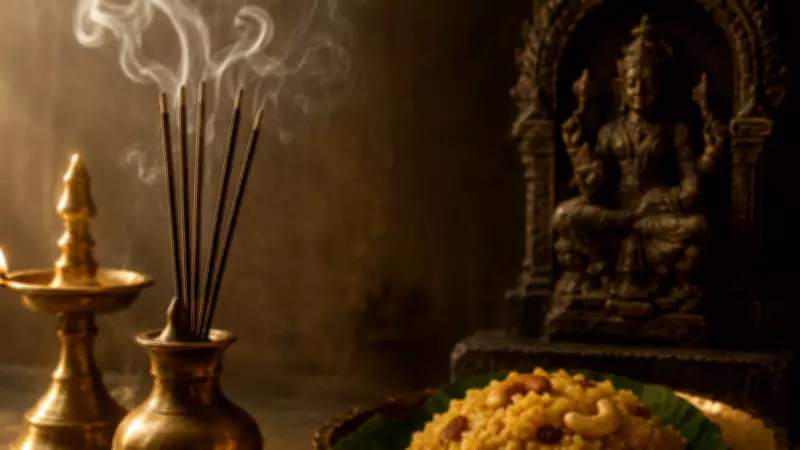
Pongal is one of the oldest temple dishes associated with South Indian worship traditions, especially in Tamil Nadu. The savoury version, often called ven pongal, is made with rice, moong dal, black pepper, cumin, curry leaves, and generous amounts of ghee. It has long been offered in temples dedicated to Lord Vishnu and Lord Shiva, particularly during harvest celebrations. Historians believe forms of pongal existed during the Chola period, when temple kitchens functioned as major centres of food distribution and community care. The dish remains closely tied to ideas of abundance and gratitude. Even today, large temple kitchens prepare it in massive bronze pots, often stirring it with wooden paddles taller than a person.
Mahaprasad from the Jagannath Temple
Few temple foods carry the historical weight of the famous Mahaprasad served at Jagannath Temple. Cooked in earthen pots over wood-fired stoves, this sacred food tradition is believed to be several centuries old. The kitchen itself is considered one of the largest temple kitchens in the world. Rice, dal, vegetables, khichdi, sweet dishes, and traditional cakes are prepared daily using methods that have changed very little over time. One of the most fascinating aspects of this cooking tradition is the stacking of clay pots on top of each other over a single fire. According to temple belief, the topmost pot cooks first. The food is first offered to Jagannath before being distributed to devotees. For many pilgrims, eating Mahaprasad is not simply a meal. It is considered spiritually equalising, as people from different social backgrounds traditionally sit together and eat the same food.

Chhappan Bhog from Krishna Temples
The tradition of Chhappan Bhog has roots in centuries-old Krishna worship traditions across North India, especially in temples linked to Lord Krishna. “Chhappan” means fifty-six, referring to the elaborate spread of dishes offered to Krishna during special festivals and rituals. The dishes range from sweets and savouries to fruits, rice preparations, and milk-based desserts. The tradition is tied to the story that Krishna once went without meals for seven days while lifting Govardhan Hill to protect villagers. In devotion, followers later began offering fifty-six items to symbolically make up for the missed meals. Though the exact dishes vary by region, the concept has survived for generations and continues to shape temple cuisine across Rajasthan, Uttar Pradesh, and Gujarat.
Puliyodarai from Tamil Vaishnav Temples
Puliyodarai, the deeply flavoured tamarind rice served in many South Indian temples, has origins linked to ancient Vaishnav temple traditions. Made with tamarind paste, sesame oil, curry leaves, peanuts, mustard seeds, and spice blends, the dish was ideal for temple distribution because it stayed fresh for long periods in hot weather. In temples such as Ranganathaswamy Temple, puliyodarai became both sacred offering and practical community food. The recipe evolved carefully over centuries, with each temple developing slightly different spice balances and preparation rituals. Its flavour is bold, earthy, and intentionally intense, designed to remain satisfying even in small portions distributed among large crowds.

Pal Payasam from Kerala Temples
Pal Payasam has been part of Kerala’s temple traditions for centuries, especially in temples connected with Vishnu worship. The most famous version is associated with Ambalappuzha Sree Krishna Temple, where the creamy pink-toned payasam has achieved near-legendary status. Made slowly with rice, milk, and sugar, the dessert depends heavily on patience and controlled cooking rather than complex ingredients. Temple records and oral traditions suggest the dish has been prepared there for hundreds of years. Even today, devotees often wait in long queues to receive a small serving. Its appeal lies in simplicity. There are no excessive garnishes or modern twists. The richness comes from slow reduction and traditional technique.
Khichdi from Gorakhnath Temple Traditions
Khichdi has ancient roots across India, but its ritual importance is especially visible at Gorakhnath Temple. Every year during Makar Sankranti, enormous quantities of khichdi are offered and distributed among devotees. The dish itself, made from rice and lentils, reflects the temple food philosophy of nourishment, digestibility, and equality. Simple though it appears, khichdi has survived across centuries because it is adaptable, economical, and deeply tied to ideas of collective eating. Temple versions often use generous ghee and mild spices, creating food that feels comforting rather than extravagant.
Modak from Ganesh Temple Traditions
Modak is one of the most recognisable temple sweets in western India, especially in Maharashtra. Traditionally made with rice flour, coconut, jaggery, and cardamom, modaks are closely associated with Lord Ganesha and have been offered in temples for generations. Steamed versions are considered especially sacred and are still prepared during Ganesh festivals using traditional methods. Historical references to modak-like sweets appear in old Sanskrit texts and regional food traditions dating back centuries. Even now, the sweet remains deeply symbolic: modest in appearance, handmade with care, and rooted in ritual rather than commercial spectacle.