6 Smart Hacks to Slash Your Induction Cooking Electricity Bill
Induction cooking is celebrated for its speed and safety, but many households experience unexpectedly high electricity consumption due to inefficient practices and suboptimal equipment choices. Unlike traditional gas stoves that allow instant temperature adjustments, induction technology relies on electromagnetic fields to directly heat cookware, making its performance highly sensitive to factors like vessel material and size.
1. Select the Right Cookware for Maximum Efficiency
Induction cooktops work by creating electromagnetic fields that excite iron molecules within compatible cookware. Research indicates that cast iron or magnetic stainless steel pans can transfer up to 90 percent of energy efficiently. Using non-magnetic cookware or pans with warped bottoms leads to significant energy loss through poor thermal transfer, forcing the induction unit to draw more electrical current to maintain desired temperatures.
2. Match Pot Size to Burner Size
Studies from organizations like the US Department of Energy and Energy Star confirm that while induction cooking is approximately 90 percent efficient—making it one of the most energy-efficient cooking methods available—small errors like using improperly sized pots can cause substantial energy waste. Always ensure your cookware base matches the induction burner size to prevent heat dispersion and unnecessary electricity consumption.

3. Keep Lids On During Cooking
Leaving lids off pots while cooking on induction cooktops is a common mistake that results in heat escape, requiring the unit to work harder and use more electricity. By keeping lids securely in place, you trap heat effectively, reduce cooking time, and minimize energy usage.
4. Utilize Residual Heat Effectively
Induction cooktops retain heat even after being turned off. You can leverage this residual heat to warm food further or complete gentle cooking tasks, such as melting butter or keeping dishes warm, without drawing additional electricity. This simple practice can lead to noticeable savings on your monthly bill.
5. Pre-Soak Ingredients to Reduce Cooking Time
Soaking grains, legumes, or other hard ingredients before cooking can significantly shorten the required cooking duration on your induction stove. Less cooking time translates directly to lower electricity consumption, making this an easy hack for energy-conscious households.
6. Optimize Cooking Techniques
Adopting efficient cooking methods, such as batch cooking or using pressure cookers compatible with induction, can enhance energy savings. Proper operation of your induction stove, combined with strategic meal preparation, allows you to reduce electricity costs without sacrificing meal quality.
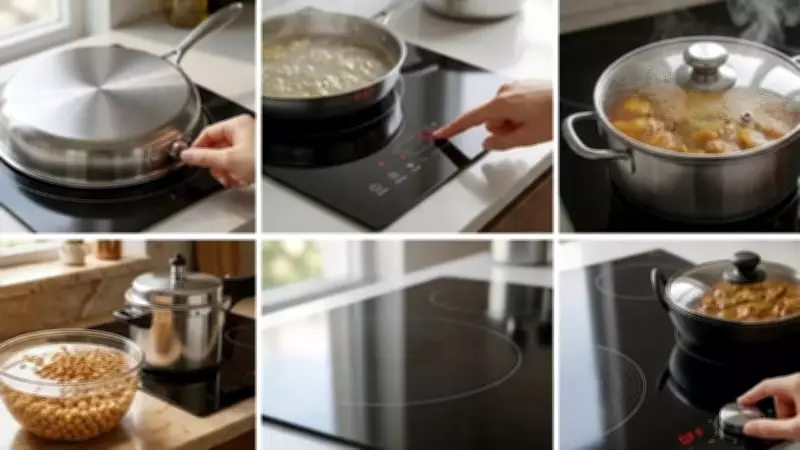
By implementing these six adjustments—choosing appropriate cookware, matching pot sizes, keeping lids on, using residual heat, pre-soaking ingredients, and optimizing cooking techniques—you can maximize your induction cooktop's efficiency. These practices help lower your electricity rates for cooking while maintaining the convenience and performance that make induction technology so popular in modern kitchens.