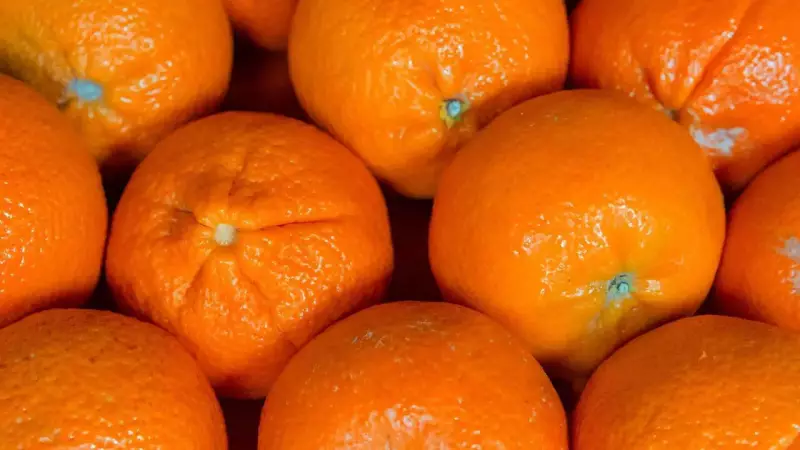
Oranges rank among India's most beloved fruits, prized for their refreshing taste and health benefits. However, their high moisture content makes them surprisingly vulnerable to quick spoilage, often leaving consumers with dried-out, moldy, or flavorless fruit within days. Many Indian households make the common mistake of storing oranges on kitchen counters or in sealed plastic bags, only to discover their precious purchase has turned squishy and unappetizing. The good news is that with proper storage techniques, you can significantly extend the shelf life of your oranges while preserving their juicy goodness.
Refrigeration: Your Best Defense Against Spoilage
Storing oranges in the refrigerator stands as the most effective method to maintain their freshness. The cold temperature dramatically slows down moisture loss and delays the natural breakdown process that causes fruit to deteriorate. When properly refrigerated, oranges can remain juicy and flavorful for two to three weeks, sometimes even longer if they were particularly fresh when purchased. For optimal results, place your oranges in the crisper drawer, which maintains consistent humidity levels and temperature far better than the main refrigerator compartment.
Mastering the Art of Orange Storage
Resist the temptation to wash oranges before storage, as many Indian households traditionally do with other produce. Excess moisture on the peel creates the perfect breeding ground for mold growth. Instead, wait until you're ready to eat or use the oranges before rinsing them. This simple habit significantly reduces spoilage risk and helps maintain the fruit's natural firmness.

Proper air circulation proves crucial for orange preservation. Avoid sealing them in airtight plastic bags, which trap moisture and accelerate spoilage. Instead, opt for breathable storage options like mesh bags, cotton produce bags, or perforated plastic bags that allow air to move freely around each fruit. This approach keeps peels dry and prevents humidity buildup that encourages mold formation.
Advanced Storage Strategies for Indian Kitchens
Oranges possess remarkable absorbency when it comes to odors, making proper placement within your refrigerator essential. Storing them near strong-smelling foods like garlic, onions, or certain cheeses can cause oranges to take on unwanted aromas that compromise their natural citrus flavor. Designate a separate drawer or container specifically for citrus fruits to preserve their characteristic sweetness and aroma.
Regular monitoring makes a substantial difference in extending orange shelf life. Conduct quick visual inspections every few days, removing any oranges that show signs of softening, bruising, or mold development. One compromised orange can quickly affect the entire batch, so prompt removal of damaged fruit prevents the spread of moisture and mold to healthy specimens.
Practical Solutions for Everyday Storage Challenges
For those storing oranges in containers or bowls, a simple paper towel can work wonders. Placing a dry paper towel at the bottom absorbs excess moisture, maintaining a drier environment that discourages mold formation. Remember to replace the towel whenever it becomes damp to ensure continued effectiveness.
If refrigerator space is limited or you prefer room temperature storage, select a cool, dark area away from direct sunlight and heat sources. Warmth accelerates dehydration and softening, significantly reducing shelf life. A dark kitchen corner, pantry, or countertop section away from the stove provides ideal conditions. At room temperature, oranges typically maintain quality for approximately one week.
Smart Handling and Long-Term Preservation
Avoid stacking oranges too high, as the pressure on bottom fruits causes bruising and faster spoilage. Whenever possible, arrange them in a single layer. If stacking becomes necessary, keep the pile low and loose to allow proper air circulation around each orange and prevent trapped moisture.
Keep oranges separated from bananas and apples, both of which release ethylene gas—a natural ripening agent that accelerates the aging process in oranges. This separation becomes particularly important for Indian families who often store mixed fruit in single baskets or bowls.

For those times when you've purchased more oranges than you can reasonably consume, freezing offers an excellent waste-free solution. Peel the oranges, remove any seeds, separate into segments, and store in airtight containers or freezer bags. Frozen oranges work perfectly in smoothies, juices, desserts, or as chilled snacks, allowing you to enjoy their fresh flavor weeks later without concerns about spoilage.
By implementing these straightforward storage techniques, Indian households can significantly reduce food waste while ensuring their oranges remain juicy, firm, and delicious far longer than traditional storage methods allow.