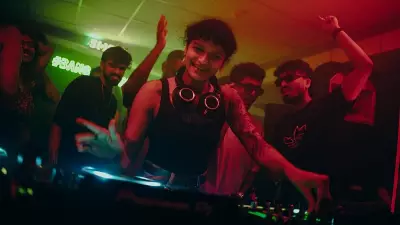
The definition of fitness in India has undergone a dramatic transformation. The inspiration has shifted from the sculpted physiques of action heroes like Bruce Lee, Arnold Schwarzenegger, and Sylvester Stallone to a more inclusive, activity-based philosophy. Today, being fit is less about being "ripped" and more about consistent movement—whether that's running, cycling, Pilates, swimming, or playing a sport like the wildly popular pickleball, which is gentle on joints and appeals to all ages.
The Rise of Adventure as Fitness
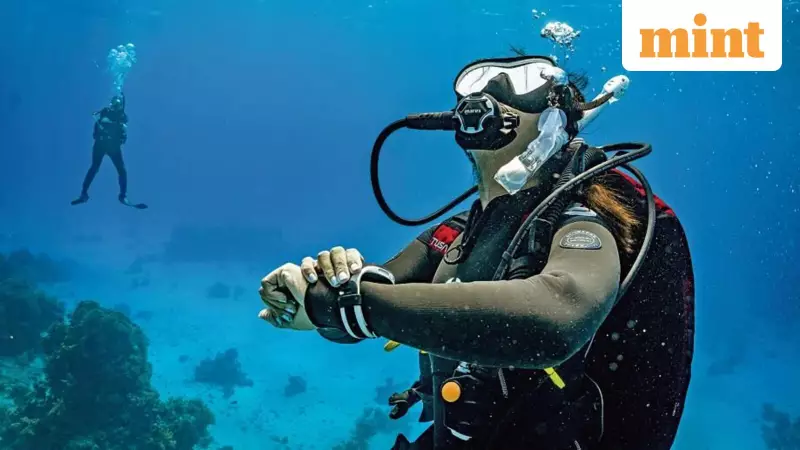
This evolution now prominently includes adventure activities that naturally build fitness: hiking, climbing, and surfing. For those seeking to push boundaries, scuba diving emerges as a standout. Interestingly, what might be considered the most advanced and potentially expensive adventure in terms of risk and reward is also arguably the most inclusive. Scuba diving does not discriminate based on conventional fitness levels or body types and boasts the widest age range of participants.
The minimum age for an open water diving certification with global agencies like PADI (Professional Association of Diving Instructors) and SSI (Scuba Schools International) is just 10 years. There is no official maximum age limit; the only requirement is that instructors deem the individual medically fit enough to participate.

Medical Fitness Over Physical Prowess
This concept of being "fit enough" is uniquely defined in diving. "It is more about medical fitness than physical fitness itself," explains Mia Raghavi, a Bengaluru-based PADI staff instructor with over six years of teaching experience. She emphasizes that instructors rely heavily on a prospective diver's honesty in a detailed health questionnaire, which contains over 40 queries on habits like smoking and overall health.
"This is more about knowing if you can swim back if you surface slightly farther from the boat and how comfortable you are in water," adds Raghavi, contrasting it with strength-based tests in sports like skydiving. This foundational water comfort is paramount, even for those with physical challenges. The story of Goa-based entrepreneur Natasha Kapadia, 39, is a testament. After a spinal surgery in March 2025, she returned to diving by late November, completing 45 dives around Egypt by mid-December, bringing her lifetime total past 400 dives since starting 17 years ago in Malta.
Kapadia notes that while people say diving doesn't require peak fitness, handling the 20-25kg equipment on slippery or sandy surfaces is a consideration. Post-surgery, she adapted her strategy, learning to gear up in the water or on smaller zodiac boats to avoid strain.
Inclusivity to the Extreme: No Swimming Required
The inclusivity of scuba diving reaches a surprising level: you can dive even if you don't know how to swim. Vinod Bondi, PADI's regional manager in India, explains that training programs are tailored to individual goals. "Some people might want to dive regularly but only in shallow water while being taken care of by somebody. This kind of programme will limit the depth to a maximum of 40ft underwater and can be done by anyone regardless of their ability to swim," he states. Bondi also highlights the importance of safety, noting he is no stranger to refusing those who don't pass the health assessment.
For many new divers, the challenge is more mental than physical. Yogesh Diddee and Yashmita Singh, a Goa-based couple in their mid-30s, discovered this during their dive trips to Bali and the Gili Islands. "It can't be compared to anything you do on land... This is a mental fight where panic can cause trouble," says Diddee, a lifelong sportsman. Yashmita, a marketing professional, found scuba more daunting than skiing or surfing due to the unfamiliar underwater environment and reliance on equipment, but the experience proved addictive.

The profound, meditative afterglow is what keeps divers coming back. Shreya Katyayini, a 34-year-old filmmaker from Goa who added diving to her fitness routine, describes the unique state of mind underwater. "You learn the buddy system—you never go diving alone. You look out for each other. There is no pretence underwater," she says, highlighting the sport's communal and introspective nature.
As Mia Raghavi and Natasha Kapadia conclude, the beauty of scuba lies in its unique combination of a dopamine rush and wide accessibility. "It is one of the most meditative things you can do. The weightlessness, the limitless feeling... it's amazing how many people can do it, irrespective of general fitness standards," says Kapadia. From wheelchair users to those who have never lifted a dumbbell, the ocean, it seems, is open to all.