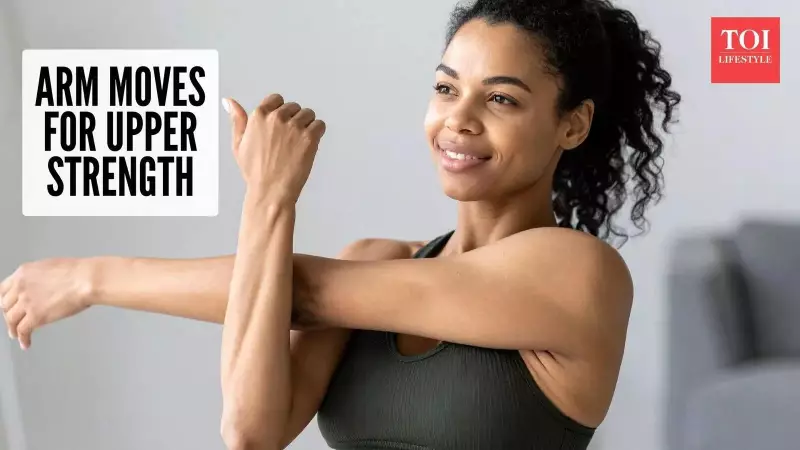
Strong arms are about far more than just a toned appearance. They are essential for countless daily tasks, from carrying groceries and pushing heavy doors to maintaining good posture throughout the day. Furthermore, developing upper body strength acts as a protective shield for vulnerable joints like the shoulders and elbows, guarding them against the strains of everyday life. The empowering news is that you don't need access to expensive machines or heavy weights to build this vital strength. A handful of well-selected movements, performed with focus and consistency, can progressively develop both muscle power and bodily control. Here are some straightforward, highly effective arm exercises that can be seamlessly integrated into your regular routine.
Foundational Pushes and Dips for Real-World Power
The classic push-up remains a powerhouse for a reason. It simultaneously engages the arms, chest, and core, training the body to work as a cohesive, strong unit. The secret to a safe and effective push-up lies in hand placement. Hands should be positioned slightly wider than the shoulders, avoiding an excessively wide flare. This alignment minimizes stress on the shoulder joints and ensures the triceps muscles at the back of the arms are effectively activated. Beginners can build foundational strength by starting with modified versions like knee push-ups or even wall push-ups, progressing to the full version over time.
Another excellent exercise for functional strength is the chair dip. This move specifically targets the triceps, the muscles responsible for pushing and straightening your arms—actions you perform every time you rise from a chair or your bed. All you need is a stable chair or a low bench. With your feet flat on the floor and knees bent, lower your body by bending your elbows straight back. Focus on small, controlled movements rather than deep dips; this approach builds strength more effectively while significantly reducing the risk of elbow strain.

Building Strength with Control: Curls and Presses
While bicep curls are a staple, performing them with deliberate control makes a world of difference. Using light to moderate dumbbells allows for better muscle engagement and form. Keep your arms close to your sides and lift the weight slowly, then take an even slower count on the way down. This technique, known as increasing time under tension, is excellent for building strength without overloading the joints.
For comprehensive upper-body development, the overhead shoulder press is invaluable. It builds strength in the shoulders and upper arms while actively promoting better posture. You can use dumbbells or resistance bands for this exercise. Initiate the press from shoulder height, pushing the weight directly overhead, not forward. For those with balance concerns, a seated version is highly recommended. Performing controlled presses protects the neck and ensures the arm muscles work efficiently.
Essential Support Exercises for Long-Term Health
Truly strong arms require strong supporting muscles, particularly in the back. Resistance band rows are perfect for this. They work the back, biceps, and shoulders together, combating the rounded shoulder posture that often develops from daily life and can undermine arm strength. Anchor the band and pull it towards your ribs while squeezing your shoulder blades together. This seemingly simple exercise is a cornerstone for long-term upper-body stability.
Finally, the plank shoulder tap is a deceptively challenging move that builds hidden arm strength and stability. From a high plank position, lift one hand to tap the opposite shoulder while keeping your hips as still as possible. This forces the supporting arm and shoulder to stabilize your entire body weight. This exercise improves muscular control and joint stability, benefits that translate directly into better performance in daily movements and sports.
Disclaimer: This article is intended for general fitness information purposes only. It is not a substitute for professional medical or fitness advice. Individuals experiencing pain, recovering from an injury, or managing a medical condition should consult a qualified healthcare professional before beginning any new exercise regimen.