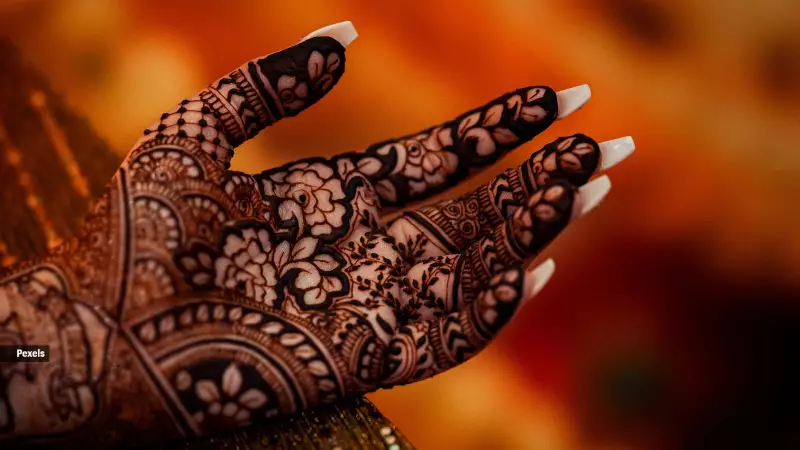
For many in India, applying mehendi is an integral part of celebrating festivals and weddings, a beautiful tradition that connects us to culture and nostalgia. However, what happens when this seemingly harmless art form causes a painful, burning sensation on your skin? A recent online plea from a Reddit user, who wrote 'The henna on my hands feels like it’s burning,' has highlighted a concerning and often overlooked risk associated with modern henna applications.
The Hidden Dangers in Your Henna Cone
Dr. Poonam Saini, a Consultant Dermatologist at Kailash Hospital in Dehradun, clarifies that while mild, short-lived itching can occur with natural henna on sensitive skin, a burning or stinging sensation accompanied by redness and blistering is not normal. Such intense symptoms typically signal an allergic reaction, medically termed as allergic contact dermatitis.
According to Dr. Saini, this reaction is usually triggered by harmful chemicals and additives mixed into the henna paste to achieve a darker, quicker stain. "It often indicates an allergic reaction... caused by harmful chemicals and additives present in the henna," she explains. The quest for a rapid, jet-black stain has led to the proliferation of so-called 'black henna,' which is often laden with irritants.

Black Henna: A Cocktail of Harmful Chemicals
The dermatologist pinpointed one of the primary culprits: Paraphenylene Diamine (PPD), a potent coal tar-based dye and a known allergen. "It’s an important allergen that can cause severe allergic reactions," Dr. Saini warns. But the list of potential additives is alarming. Black henna mixtures may also contain substances like kerosene, gasoline, benzene, and heavy metals including lead, cadmium, nickel, copper, and aluminium.
These components can cause anything from immediate burning and irritation to long-lasting skin damage and sensitization, meaning future exposures could lead to even worse reactions.
Immediate Steps for Henna-Induced Burning
If your skin starts to burn after a henna application, swift action is crucial. Dr. Saini outlines a clear course of action:
- Wash it off immediately: Use cool water and a mild soap to remove the henna paste from the skin as soon as possible.
- Soothe and protect: Apply a gentle, fragrance-free emollient or moisturizer to the affected area to help restore the skin barrier.
- Use cool compresses: This can help alleviate the burning sensation and reduce inflammation.
- Seek professional help: Consult a dermatologist immediately for proper diagnosis and treatment, which may include topical steroids or other medications.
Ignoring these symptoms can lead to worsening blisters, potential scarring, or persistent skin sensitivity.
How to Identify Safe, Natural Henna
To avoid such adverse reactions, it is vital to distinguish between natural and chemical-laden henna. Dr. Saini provides a simple guide:
- Colour of the Paste: Natural henna paste is a greenish-brown or muddy green colour. Chemical 'black henna' is typically a jet black paste.
- Staining Process: Pure henna stains the skin an initial orange colour, which gradually darkens to a deep reddish-brown over 24 to 48 hours. Black henna leaves an immediate, dark black stain.
- Smell: Natural henna has an earthy, grassy aroma. Chemical henna often has a sharp, bleach-like or chemical odour.
The expert's final advice is to read labels carefully and avoid any product that lists PPD or other harmful chemicals. When in doubt, especially for those with sensitive skin, opting for traditional, natural henna from a trusted source is the safest way to enjoy this beautiful tradition without compromising skin health.
Disclaimer: This article is based on information from a medical expert. Always consult your healthcare practitioner for personal medical advice.