The Unseen Culprit Behind Your Slips: It's Your Shoes
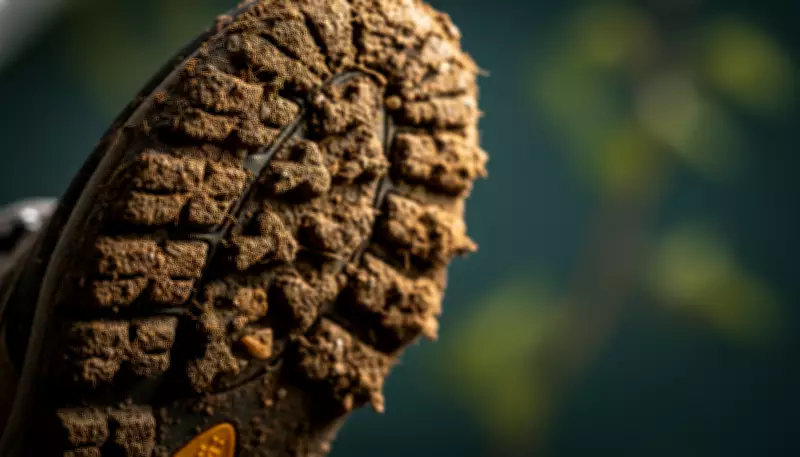
You might often blame a wet floor, an unseen puddle, or simple misfortune when you slip, but the uncomfortable reality is that your shoes could be the primary issue. It's not merely about worn-out soles; a layer of dirt accumulating in every groove plays a significant role. Slip-resistant footwear does not retain its effectiveness indefinitely. With months of daily use, the tread patterns on your soles gradually wear down and become clogged with debris. Consequently, your shoes lose their grip on surfaces much quicker, transforming routine activities like a grocery trip or navigating a damp lobby into genuine hazards.
The Critical Threshold: 800 Square Millimetres
A study titled Changes in under-shoe traction and fluid drainage for progressively worn shoe tread discovered that once wear on shoe soles reaches approximately 800 square millimetres—an area slightly smaller than a standard playing card—friction decreases by 16% to 38%. At this stage, the soles fail to redirect fluids away from the contact zone, and pressure buildup underneath actually pushes the shoe away from the floor. This isn't just ordinary wear and tear; it's a physics-based problem actively working against your stability.
Dirt exacerbates the situation further. A dirty surface fills the channels meant to drain water and oil, minimizing the available coefficient of friction (ACOF). Essentially, the filthier your sole, the higher the likelihood of a mishap on wet surfaces.

Your Sole's Dual Role: Grip and Sensory Feedback
Most people overlook that shoe soles aren't solely about traction; they also provide crucial sensory feedback. When you encounter an unexpected slippery area, your leg muscles must react swiftly to regain balance. However, a thick or damaged sole can delay the signal reaching your brain.
Research indicates that wearing shoes slows muscle activation responses compared to walking barefoot. This impairment makes it harder to maintain stability and prolongs slip incidents. A sole in poor condition hinders your body's reflexes precisely when they're most needed. The dirt trapped in your tread isn't superficial—it's obstructing the grooves designed to keep you steady.
The Importance of Groove Geometry
The arrangement of tread grooves significantly influences ground contact. Grooves perpendicular to your direction of travel generate more friction and shorter slip distances than those parallel to it. Another study in Applied Ergonomics demonstrates that deeper grooves enhance performance on wet or detergent-coated floors by preventing pressure buildup that leads to slipping.
Therefore, when purchasing shoes, it's essential to examine the tread pattern, not just style or cushioning.
Simple Solutions for Restoring Traction
You don't necessarily need new shoes immediately. Cleaning can reclaim much of the lost grip. Use a stiff brush to scrub the soles thoroughly, rinse them under running water, and allow them to air dry. This process removes dirt blocking the tread channels, enabling the grooves to function effectively again.
A general guideline: if the tread appears nearly smooth or worn patches feel extensive when you run your thumb over them, it's time for a replacement.
Innovations in Footwear Grip
On the innovation front, researchers have created kirigami-inspired shoe grips—flexible soles based on the Japanese art of paper cutting that morph into 3D textured surfaces under pressure. Preliminary tests indicate they can double or triple friction on ice compared to conventional boots. While not yet commercially available, these developments highlight how seriously materials science is addressing shoe-related falls.
Take Action Before Your Next Step
Falls and slips are not only embarrassing but also among the most common causes of injury, with poorly maintained shoes contributing to a surprising number of incidents. This week, dedicate a few minutes to scrubbing your soles, inspecting the tread, and knowing when to invest in new footwear. A simple five-minute effort could prevent a serious fall.
Remember, your floors haven't changed, but your shoes likely have.