

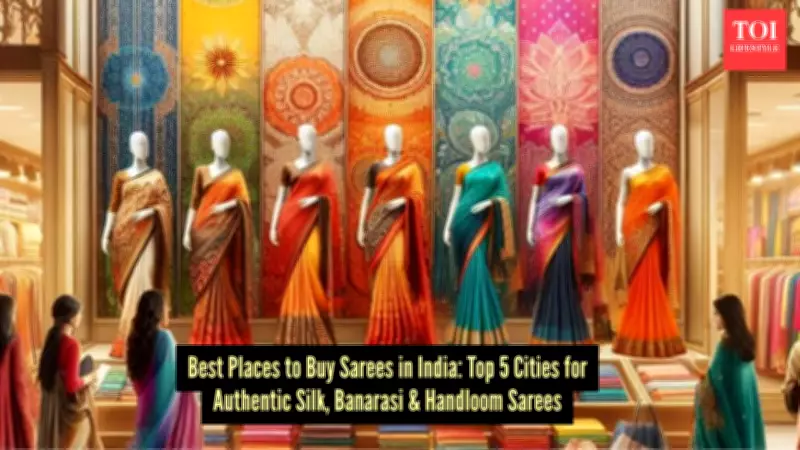
Saree Shopping in India: 5 Essential Cities for Authentic Traditional Drapes
There is a distinct, rhythmic symphony that defines a traditional saree shop in India—the crisp snap of silk being unfurled, the gentle hum of ceiling fans, and the inevitable offer of a refreshing glass of cold water or a steaming cup of chai. Purchasing a saree in these settings is far more than a simple transaction; it is an immersive, afternoon-long cultural experience. While high-end boutiques in metropolitan cities provide convenience, true textile connoisseurs understand that to discover the soul of a weave, one must journey to its very source. If you aim to build a wardrobe that resembles a curated gallery of heritage rather than a mere closet, here are the five indispensable destinations on the ultimate Indian textile map.
1. Varanasi: The Kingdom of Kincob
Varanasi, often referred to as Banaras, transcends the definition of a mere city; it stands as a living museum of thread and tradition. The Banarasi silk saree reigns as the undisputed "Queen" of Indian textiles, celebrated for its exquisite Zari work—intricate gold and silver thread embroidery that feels like liquid metal on fabric. These sarees are quintessential for weddings and grand ceremonies, frequently adorned with Mughal-inspired motifs such as the bel (floral vines) or shikargah (hunting scenes). Navigating the labyrinthine lanes of Thatheri Bazar or Godowlia Market can be overwhelming, yet this chaos is integral to the authentic experience. For a more grounded visit, explore the weaver clusters in Peeli Kothi. A genuine Banarasi saree represents a significant investment—a timeless piece purchased today with the quiet intention of passing it down through generations.
2. Kanchipuram: The Silk Fortress
If the North is dominated by Banaras, the South is unequivocally the domain of the Kanjeevaram. Located just a short distance from the bustling city of Chennai, Kanchipuram is a temple-dense town where the silk is as enduring as the granite pillars of its ancient sanctums. What truly distinguishes a Kanchipuram silk is its substantial heft and the ancestral "Korvai" weaving method. This intricate process involves weaving the border and the main body as two separate entities, which are then expertly locked together using a signature zigzag seam—a structural bond that renders the saree incredibly resilient. The result is a drape with remarkable structural integrity and striking high-contrast colors. Strolling down Gandhi Road reveals massive showrooms vying for attention. However, the Arignar Anna Silk Cooperative Society remains the gold standard for those seeking government-certified purity without the retail markup.

3. Kolkata: The Artistic Soul
Kolkata offers a refreshing departure from heavy silks, focusing instead on storytelling and comfort. The Tant (cotton) saree is a masterpiece of breathability—crisp, lightweight, and effortlessly elegant. For those desiring more drama, the Baluchari saree presents an exquisite option. Its pallu serves as a narrative canvas, often depicting intricate scenes from the Ramayana or Mahabharata woven into the silk. Additionally, the Kantha—not a weave but a labor-intensive running stitch embroidery—transforms simple fabric into a textured work of art. Head to Gariahat for a chaotic, authentic shopping spree, or visit Dakshinapan for a curated selection of state handlooms.
4. Mysore: The Regal Minimalist
While other regions embrace a "more is more" philosophy, Mysore silk exemplifies a masterclass in "less is more." Favored by those who appreciate understated luxury, these sarees are renowned for their buttery-soft texture and unique crepe finish. Unlike the stiffness of other silks, Mysore silks drape like a second skin. Traditionally, they feature rich, solid jewel tones complemented by a simple, elegant gold border. The most reliable purchasing destination is the KSIC (Karnataka Silk Industries Corporation) Mysore Silk Factory outlet. Each saree comes with a hologram and a unique identification number, guaranteeing the purity of both gold and silk as claimed.

5. Surat: The Textile Powerhouse
Surat functions as the commercial engine of the Indian fabric world. While it is the global hub for synthetic textiles, the city holds a secret for heritage enthusiasts: the Tanchoi and Gajee silks. Originally introduced to India by Parsi merchants, Tanchoi is a complex weave that creates a satin-smooth finish with tiny, embossed patterns. Surat is also the premier destination for high-quality georgettes and chiffons that avoid a "flimsy" feel. Markets such as Bombay Market or shops along Ring Road are massive and mercantile, lacking the quiet romance of a Mysore factory but offering unparalleled variety and competitive pricing.
A Pro-Tip Before You Go
Regardless of your shopping destination, always seek out the "Silk Mark" or "Handloom Mark" tags. In the textile industry, the term "pure" can be ambiguous; these labels serve as your only guarantee that your six yards of heritage are genuinely authentic.





