The Resurgence of Hand-Painted Wall Advertisements in Indian Cities
In a striking reversal of digital dominance, traditional hand-painted advertisements are experiencing a powerful renaissance across India's urban landscape. This revival marks a significant shift from temporary flex banners to enduring fresco-style art, creating new visual landmarks that captivate both locals and tourists.
From Bollywood Icon to Commercial Canvas
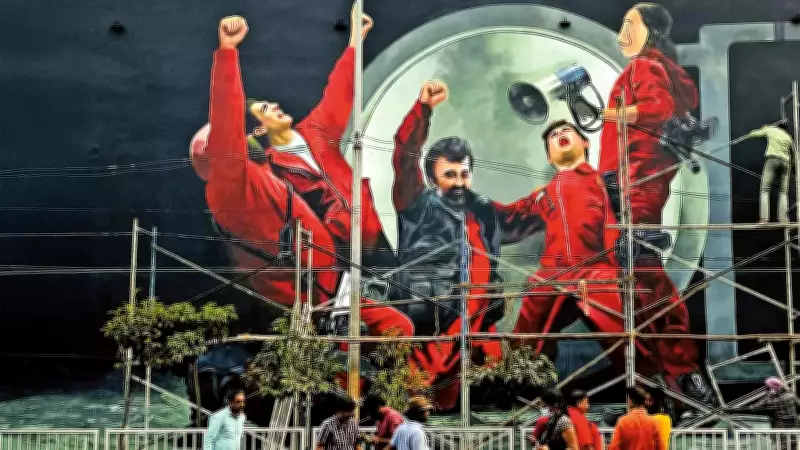
The transformation of a famous Mumbai landmark perfectly illustrates this trend. For four consecutive years, a massive double-storey mural of legendary actor Dharmendra in his iconic role as Veeru from the classic film Sholay dominated Chapel Road in Bandra. This artistic tribute became such a popular attraction that it regularly caused traffic congestion as visitors stopped to capture selfies with the beloved cinematic figure.
The scene changed dramatically in September 2025 when the Bollywood mural was replaced by a sophisticated hand-painted advertisement for a beauty brand. While traffic continues to slow along the narrow lane, the motivation behind the photographic pauses has evolved from cinematic nostalgia to commercial appeal.

The New Dynamics of Urban Visual Culture
This transition represents more than just a change of imagery—it signals a fundamental shift in how brands engage with public spaces and urban communities. The hand-painted beauty advertisement now serves as both marketing tool and cultural artifact, blending commercial messaging with artistic expression in ways that digital advertisements cannot replicate.
Several factors are driving this resurgence:
- Authenticity in a digital age: In an era dominated by digital screens and computer-generated graphics, hand-painted murals offer tangible, human-crafted authenticity that resonates with contemporary audiences.
- Enduring physical presence: Unlike temporary flex banners that fade and tear, properly executed fresco-style advertisements can withstand weather and time, becoming semi-permanent fixtures in the urban fabric.
- Social media synergy: These visually striking murals naturally encourage social sharing, with their photogenic qualities driving organic marketing through user-generated content.
- Community integration: Hand-painted advertisements often involve local artists and consider neighborhood aesthetics, creating a sense of ownership and pride within communities.
Broader Implications for Urban Spaces and Marketing
The return of hand-painted wall advertisements represents a fascinating intersection of commerce, art, and urban planning. As cities grapple with visual pollution from digital billboards and temporary banners, these carefully executed murals offer an aesthetically pleasing alternative that enhances rather than detracts from public spaces.
Marketing experts note that this trend reflects a broader consumer desire for authenticity and craftsmanship in brand communications. The tactile quality of hand-painted work creates emotional connections that mass-produced digital advertisements often fail to achieve, while the substantial investment required for such installations signals brand commitment and quality.
Urban planners and cultural observers are watching this development closely, as it represents a potential middle ground between commercial interests and public space enhancement. The success of installations like the Bandra beauty advertisement suggests that when executed with artistic integrity, commercial murals can become valued additions to urban visual culture rather than mere advertising intrusions.
As this trend continues to spread across Indian cities, it raises important questions about the future of public space, commercial expression, and artistic practice in urban environments. The hand-painted advertisement's comeback demonstrates that sometimes, the most forward-looking approaches involve revisiting and revitalizing traditional techniques.