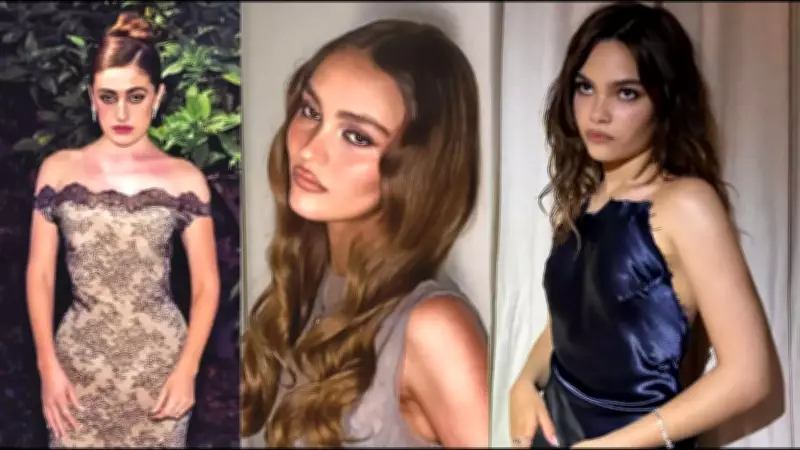
The Rise of the Gen Z Pout: More Than Just a Face
It appears effortless, but do not be fooled—this writer can attest firsthand that mastering the Gen Z pout is no simple feat. Born on TikTok and now spreading virally across every major social platform, this distinct facial trend has ignited a wave of polarized reactions. Some dismiss it as cringe-worthy, while others recognize it in their own photos, albeit without a name. As mockery circulates, the internet is simultaneously flooded with tutorials. Gen Z has claimed this selfie face as their signature, much like millennials did with the iconic duck face. Celebrities including Lily-Rose Depp, Rachel Sennott, Ariana Greenblatt, Hailey Bieber, and Billie Eilish are frequently associated with this look, adding to its cultural cachet.
What Exactly Is the Gen Z Pout?
Forget the exaggerated, dramatic pucker of past trends. The Gen Z pout, sometimes humorously dubbed the 'platypus pout', is its quieter, cooler relative. The technique involves the lower lip pulling slightly upward while the upper lip lifts, with the corners of the mouth remaining relaxed or dipping just a touch. The overall effect is soft, unhurried, and seemingly unperformed. The result lands somewhere between a classic pout and a faint frown—conveying a message of being unbothered, nonchalant, too cool to care, yet fully self-aware.
The Hidden Message Behind the Pout
At first glance, the expression reads as utterly effortless. However, a closer look reveals a carefully calibrated pose. The Gen Z pout belongs to the same family as the 'Gen Z stare'—that blank, mildly disinterested expression that has become a cultural shorthand for detachment. Together, they signal a kind of curated indifference.

The pout delivers a deadpan look, but with clear intent—a face that says "I don't care," while obviously caring enough to perfect the angle. This contradiction is central to its appeal. Having grown up hyper-aware of cameras, filters, and the intense pressure to conform to online beauty standards, Gen Z uses the pout as a method to engage with beauty culture without appearing to exert excessive effort.
More than anything, the pout embodies a form of thoughtful restraint. There is a conscious retreat from overdoing it—no exaggerated expressions, no obvious posing. Instead, it is about control: holding back emotion, softening facial features, and letting subtlety carry the weight. In a digital landscape that often rewards excess, this minimalism feels deliberate and intentional.
Experts suggest this trend marks a significant shift in contemporary beauty performance. Rather than overt expressions like big smiles or dramatic poses, there is a movement toward nuance, restraint, and quiet control. It is less about selling an image of perfection and more about projecting a specific vibe: aloof, composed, and effortlessly cool.
Gen Z Pout vs. Millennial Duck Face: A Generational Divide
If the millennial duck face was loud and playful, the Gen Z pout is quieter and markedly more self-aware. The duck face embraced exaggeration—with pursed lips, raised cheeks, and a knowing wink at the camera. It was openly and unapologetically performative.
The Gen Z pout, in contrast, almost rejects performance—or at least pretends to. It leans into subtlety and restraint, swapping overt emotion for ambiguity. Where millennials actively posed, Gen Z appears to simply exist within the frame.
Yet, this does not render it more "natural." If anything, it represents a different style of posing—shaped by years of endless scrolling, meticulous editing, and keen observation of what resonates on screen.
Ultimately, the Gen Z pout is not merely another fleeting selfie trend. It reflects a generation actively negotiating visibility, self-image, and the delicate line between visible effort and perceived effortlessness in the digital age.