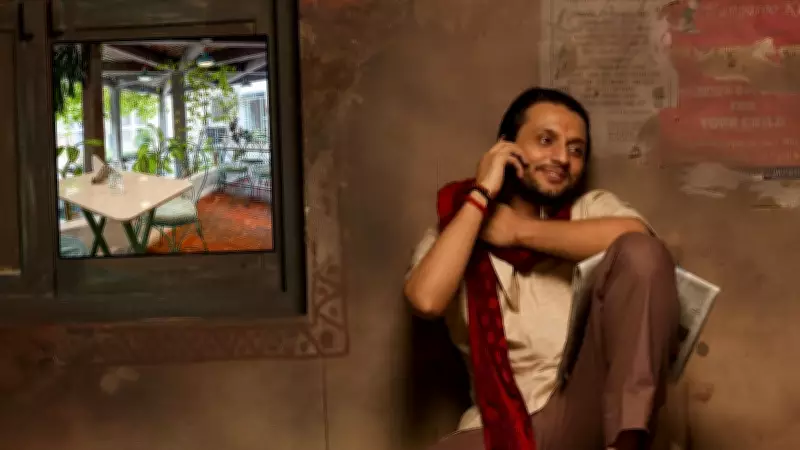
Zeeshan Ayyub's Nostalgic Journey Through Mandi House's Iconic Food Spots
Delhi's Mandi House area, renowned as the heart of India's theatre scene, also holds a special place as a culinary hub for artists. Actor Mohammed Zeeshan Ayyub, an alumnus of the National School of Drama (NSD) who graduated in 2006, recently embarked on a food trail through this vibrant neighborhood, sharing delicious memories from his student days.
"People live to eat, but we eat to live," Ayyub confessed, highlighting the integral role food played in his artistic journey. The actor, known for films like Tanu Weds Manu, revealed that theatre artists need to immerse themselves in that creative environment constantly to hone their craft.
BAM Snacks: The Unmarked Theatre Canteen
His first stop was BAM Snacks, informally known as "Shri Ram Centre ke saamne wala stall," which has been serving theatre students for over 35 years. This is the kind of establishment where regulars don't need to order—the staff already knows what they want.

During his NSD days, Zeeshan recalled budget breakfasts that cost almost nothing. "For just ₹4–₹5, we got six bread slices, an omelette, a banana, and milk—government rates," he laughed while describing his mess menu. Whenever hostel food became monotonous, this small joint was his refuge.
The stall still serves samosa with vegetables, chole-rice, rajma-rice, and refreshing tea—essential fuel for morning rehearsals and evening script readings. Even today, theatre actors, painters, musicians, and art enthusiasts instinctively gather here, drawn by tradition and habit.
While enjoying tea and samosa, Ayyub expressed his particular fondness for chole kulche. "Nothing beats chole kulche for breakfast," he declared. "The world hasn't created anything better." He attributed the magic to tamarind chutney and a secret spice blend that vendors never disclose.
Mandi House Mornings: Creativity Brewed Over Tea
Ayyub reminisced about a time when 10–12 rehearsals would run simultaneously around the Mandi House circle, which now feels relatively quiet. Every park and corner buzzed with theatrical energy, with scripts being discussed not in studios but over cups of tea.
"The relationship between theatre and tea is extraordinary," he observed. "Sit over tea, talk, and create scenes!" If someone was feeling generous, they might even order snacks to accompany the creative discussions.
Triveni Terrace Café: The Aspirational Dining Destination
If BAM Snacks represented survival for the young Zeeshan, Triveni Terrace Café symbolized aspiration—a dream eatery reserved for special occasions. Established in 1963 at Triveni Kala Sangam, this café has long been a cultural anchor frequented by artists, writers, directors, and students.
For the younger Ayyub, it was "aukaat se bahar"—beyond his budget. Visits were limited to post-performance celebrations or when a senior colleague was footing the bill. Even simple sandwich toasts felt like luxurious indulgences back then.
Membership at Triveni meant social capital. "Directors would invite us for script readings, and then we'd order extravagantly," he recalled with a grin. Today, the menu features sophisticated items like palak patta chaat, ragi idli, kebabs, and beetroot halwa.
While sampling the now more refined offerings, Ayyub offered an honest assessment of the beetroot halwa: "It's good," he admitted, "but ultimately, it's still just beetroot." The food remains familiar, but the experience has transformed from dreaming of belonging to quietly claiming the space as his own.
Moong Dal Pizza Lane: An Unexpected Contemporary Favorite
The food trail concluded near the Mandi House–ITO area at a 13-year-old stall famous for its unconventional specialty: moong dal pizza. Still popular with college students and theatre artists, this dish sounds questionable but delivers surprising comfort.
Trying it for the first time, Ayyub gave an approving nod: "Not bad at all. I didn't expect it to be this good." This modern creation represents how Mandi House's food culture continues evolving while maintaining its artistic soul.

Through this culinary journey, Zeeshan Ayyub not only revisited his personal history but also celebrated the enduring relationship between Delhi's theatre community and the neighborhood's iconic food establishments that have nourished generations of artists.