The Warkari Movement: A Forgotten Model for Egalitarian Statecraft
The Warkari movement, a centuries-old spiritual tradition rooted in Maharashtra, provides a compelling historical blueprint for egalitarian statecraft. This movement, often overlooked in modern political discourse, emphasizes principles of community, equality, and spiritual integrity that could inform contemporary governance. Originating in the Bhakti tradition, it has long promoted social harmony and collective well-being.
Core Principles of the Warkari Tradition
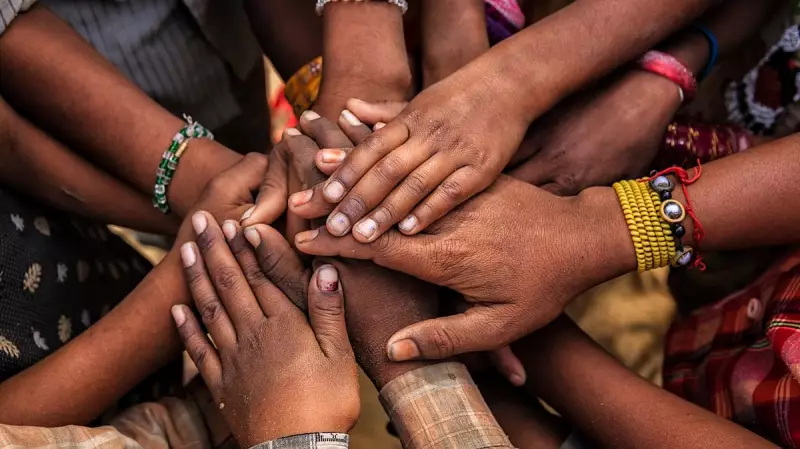
The Warkari movement centers on key values that challenge hierarchical structures. It advocates for a society where all individuals, regardless of caste or social status, participate equally in spiritual and communal life. This approach fosters a sense of shared responsibility and mutual respect among followers.
Devotees gather for annual pilgrimages, known as Wari, to Pandharpur. These journeys symbolize unity and collective action. They demonstrate how large-scale community efforts can operate without centralized authority or discrimination.

Lessons for Modern Governance
Modern statecraft can draw valuable insights from the Warkari model. Its emphasis on decentralization and local leadership offers an alternative to top-down governance systems. The movement shows how spiritual and ethical frameworks can support social cohesion.
In today's world, where political divisions often deepen inequalities, the Warkari example reminds us of the power of inclusive practices. It highlights the importance of integrating cultural and spiritual values into public policy to build more equitable societies.
Relevance in Contemporary India
The Warkari movement remains vibrant in Maharashtra, with millions participating in its rituals. Its enduring appeal underscores a public desire for governance models that prioritize human dignity over mere economic metrics. This tradition encourages policymakers to consider holistic approaches to development.
By revisiting such historical movements, we can explore innovative solutions to current social challenges. The Warkari blueprint advocates for a statecraft that balances material progress with spiritual and ethical growth.
In conclusion, the Warkari movement serves as a forgotten yet potent example of egalitarian statecraft. Its principles of community, equality, and spiritual integrity offer timeless lessons for creating more just and harmonious societies. As India navigates complex governance issues, this historical model provides inspiration for fostering inclusive and sustainable development.