The lens of a camera can capture not just images but the very soul of a nation. Such is the story of Homai Vyarawalla, India's first female photojournalist, whose work chronicled the country's transformative mid-20th century. Her photographs offer a unique window into the political and social fabric of a newly independent India.
Early Life and Beginnings
Born in 1913 in Gujarat, Homai Vyarawalla developed an early interest in photography. She studied at the Sir J.J. School of Art in Mumbai, where she honed her skills. Her career began in the 1930s, a time when women in photography were rare. She worked for the British Information Services, capturing events that shaped the nation's history.
Iconic Photographs
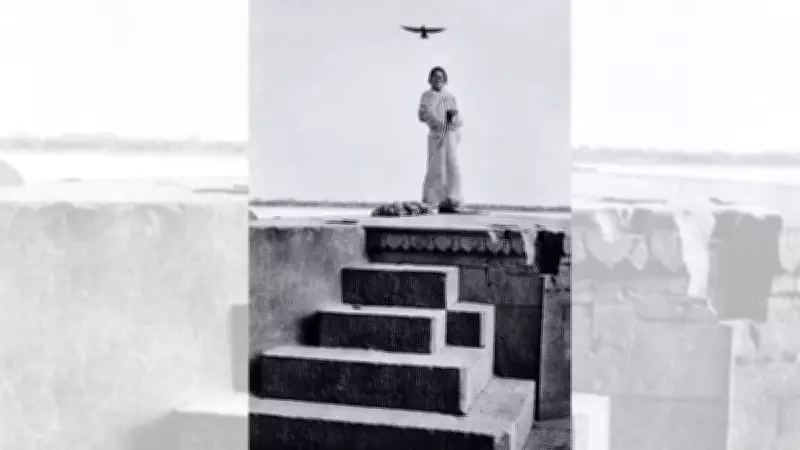
Vyarawalla's portfolio includes some of the most iconic images of India's freedom struggle and early years of independence. She photographed leaders like Mahatma Gandhi, Jawaharlal Nehru, and Indira Gandhi. One of her most famous shots is of Nehru standing at the Red Fort on Independence Day in 1947. Another poignant image captures the cremation of Mahatma Gandhi in 1948.

Style and Technique
Her photography is noted for its candidness and human touch. She often captured her subjects in unguarded moments, revealing their personalities. Vyarawalla used a Rolleiflex camera, which allowed her to shoot from waist level, making her less intrusive. Her black-and-white images are celebrated for their composition and emotional depth.
Challenges and Recognition
As a woman in a male-dominated field, Vyarawalla faced numerous challenges. She often had to navigate restricted access and societal biases. Despite this, she earned respect and admiration for her work. In 1970, she retired from photography, disillusioned with the changing nature of photojournalism. It was only later in life that she received widespread recognition, including the Padma Vibhushan in 2011.
Legacy
Homai Vyarawalla passed away in 2012, but her legacy endures. Her photographs are housed in archives and museums, serving as a visual record of India's history. She inspired a generation of photographers, especially women, to pursue their passion. Her work continues to be studied and exhibited globally.
In conclusion, Homai Vyarawalla's eye framed India in a way that few could. Through her lens, she captured the hopes, struggles, and triumphs of a nation. Her photographs are not just images; they are stories frozen in time, reminding us of the power of visual journalism.