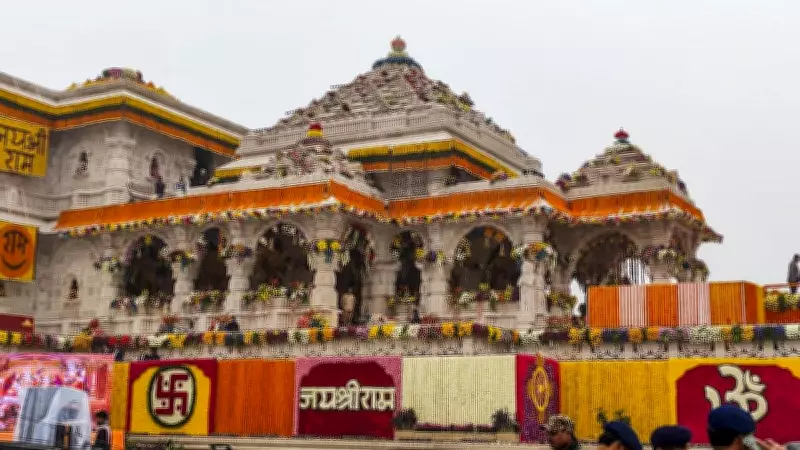
The Question of Expectation
In a thought-provoking opinion piece, Capt G R Gopinath (retd) raises a fundamental question: why do we instinctively expect that a temple associated with Rama should be different from any other temple? And what does that expectation reveal about how we imagine dharma itself?
Dharma as a Mirror
The author argues that the temple serves as a mirror of the self. Our expectations of a Rama temple—perhaps of greater purity, sanctity, or moral perfection—reflect our own internalized ideals of dharma. The temple becomes a projection of what we believe dharma ought to be, rather than a neutral space for worship.
Implications for Society
This dilemma, Gopinath suggests, has broader implications for how we understand righteousness in public life. If we place unrealistic expectations on religious institutions, we risk disillusionment when they fail to meet those standards. Conversely, recognizing the temple as a mirror can lead to greater self-awareness and humility.

The article invites readers to reflect on their own assumptions about dharma and the spaces dedicated to it. It challenges the notion that any temple—even one linked to Rama—can be free from human imperfection.