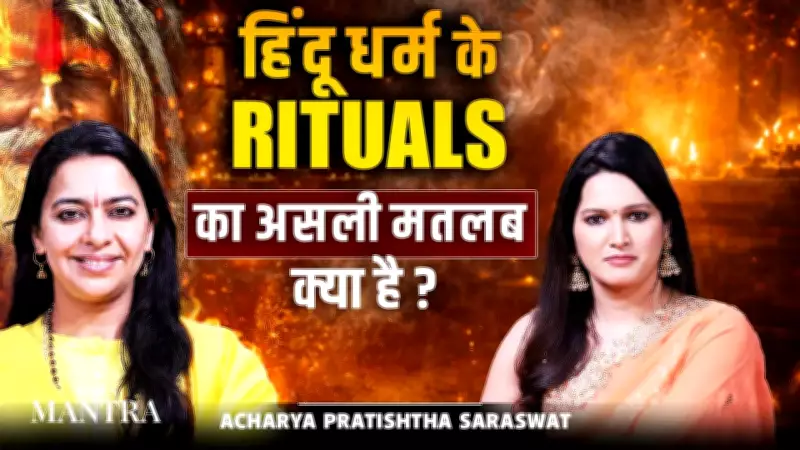
Unveiling the Spiritual Depth of Hindu Rituals and Traditions
In a world often dominated by superficial interpretations, the profound spiritual science embedded within Hindu rituals offers a gateway to deeper consciousness and understanding. A recent insightful discussion has brought to light the esoteric meanings behind sacred practices, moving beyond mere tradition to explore the energetic and symbolic foundations that have sustained Sanatan Dharma for millennia.
The Sacred Process of Murti Sthapana: More Than Meets the Eye
The ritual of murti sthapana, or the consecration of deities, is far more than a ceremonial act. It represents a sophisticated spiritual technology designed to channel divine energies into physical form. This process involves intricate Vedic rituals that align cosmic forces, creating a powerful focal point for worship and meditation. The spiritual potency of this practice lies in its ability to transform an inert object into a living embodiment of the divine, facilitating a direct connection between the devotee and higher consciousness.
The Symbolic Significance of the Exposed Navel in Hindu Iconography
One of the most intriguing aspects discussed is the symbolic exposure of the navel in certain rituals and depictions. This is not merely an artistic choice but a profound representation of the Nabhi or the center of energy within the human body. In Hindu philosophy, the navel is considered the seat of creation and the source of life force (prana). Its exposure in sacred imagery signifies:

- The connection to primordial energy and the universe's creative power
- The importance of balancing and activating energy centers for spiritual growth
- The concept of the human body as a microcosm of cosmic reality
Decoding the Spiritual Science Behind Ancient Practices
The conversation emphasizes moving beyond blind faith to understand the consciousness embedded in Sanatan practices. Each ritual, from temple ceremonies to personal worship, contains layers of meaning that integrate:
- Symbolic representations of universal truths and cosmic principles
- Energetic alignments that harmonize individual and environmental vibrations
- Psychological frameworks that guide devotees toward self-realization
This approach transforms karmakand (ritualistic actions) from mechanical repetitions into meaningful spiritual exercises that awaken inner awareness.
The Enduring Relevance of Vedic Wisdom in Modern Times
In an age of scientific inquiry, the logical foundations of Hindu rituals offer valuable insights into the intersection of spirituality and consciousness studies. The discussion highlights how these ancient practices:
- Provide practical methods for cultivating mental focus and emotional balance
- Offer symbolic languages for understanding complex philosophical concepts
- Create tangible connections between individual practice and universal principles
For seekers of dharmagyan (knowledge of righteousness) and spiritual awakening, this exploration serves as a crucial resource for understanding the logic and purpose behind traditions that have guided countless generations toward enlightenment.