Snow Moon 2026: Emotional Turmoil Under February's Full Moon
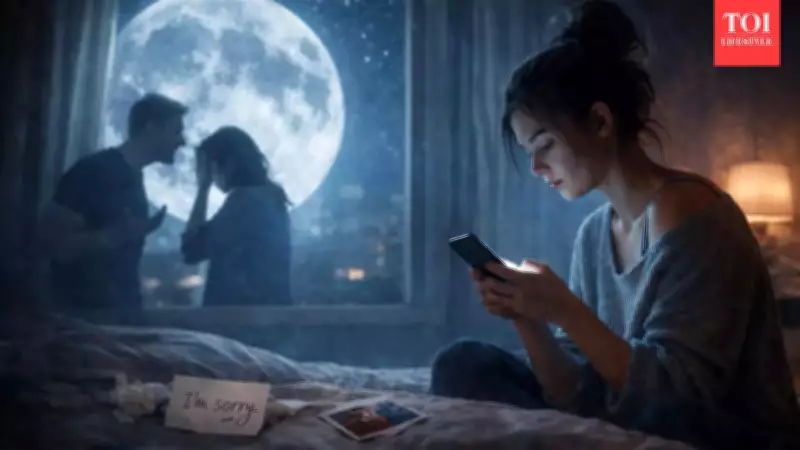
As the Snow Moon, February's luminous full moon, graces the night sky on February 1, 2026, social media feeds, relationship blogs, and astrology communities are witnessing a familiar surge of romantic intensity. Unresolved emotions are bubbling to the surface, accompanied by a noticeable increase in late-night text messages, heartfelt apologies, and even relationship breakups.
The Cultural and Astrological Significance of Emotional Culmination
Culturally and astrologically, full moons like the Snow Moon represent culmination points in the lunar cycle when hidden emotional truths emerge into the light. Astrology guides for the 2026 Snow Moon emphasize that this phase is associated with emotional intensification that forces unresolved issues to the forefront of consciousness.
Rather than promoting quiet contemplation, the lunar energy externalizes inner tension, encouraging individuals to confront lingering relationship emotions, old grievances, and unspoken feelings. One prominent astrology commentary notes that the Snow Moon "demands attention to unresolved issues," which often manifests as midnight apologies or the reopening of difficult conversations.

This mirrors ancient beliefs that full moons expose concealed emotional landscapes, transforming private tensions into publicly urgent matters. The Snow Moon, named for the heavy snowfall and endurance required during winter's deepest cold, symbolizes resilience, patience, and inner strength. It signifies a period for quiet introspection, resting, and preparing for seasonal renewal.
Scientific Perspectives on Lunar Influence and Human Behavior
While no definitive scientific proof directly links lunar phases to human behavior, experts acknowledge that a combination of cultural belief, emotional psychology, and anecdotal trends helps explain why people feel more reactive during this phase. This phenomenon reflects how humans respond to emotional exposure and reflection, rather than demonstrating how lunar gravity mechanically affects behavior.
Psychological researchers emphasize that belief in lunar effects can significantly influence how individuals interpret their own emotions and actions, creating a self-fulfilling cognitive expectation. Many comprehensive scientific reviews find no statistical association between lunar stages and behavioral disturbances like aggression or trauma in broad populations.
Hospital and crime studies frequently show no significant correlation tied to lunar cycles. However, the perception of lunar influence remains powerful, potentially reflecting what some experts describe as a "primal, emotional desire to believe that we are not solely responsible for our own behaviors."
Why Late-Night Messages and Breakups Spike During Snow Moon
The increase in late-night messages and apologies during the Snow Moon period may be explained through several psychological and physiological mechanisms:
- Sleep and Emotional Regulation: Some research suggests that around full moons, sleep patterns can shift slightly, with individuals experiencing reduced deep sleep and later sleep onset. Though evidence remains modest, disrupted rest can diminish cognitive control and heighten emotional reactivity, potentially increasing impulsive texting or emotional disclosures during nighttime hours.
- Cognitive Spotlight Effect: Under emotional stress or reflective states, people often replay difficult conversations or unresolved scenarios before sleep, creating a prime opportunity to send texts they might reconsider by morning.
- Emotional Exhaustion and Sensitivity: Experts highlight how the Snow Moon can coincide with emotional exhaustion, pushing people toward introspection and release—states that naturally spill over into interpersonal interactions. Many describe this lunar period as a time when people "feel more than they think," a condition that can trigger relationship transformations.
Across religions, cultures, and astrology traditions, the full moon is often viewed as a moment of culmination or psychological deadline that brings hidden issues into the open. Under this interpretive lens:

- Individuals who have been avoiding conflict may suddenly feel compelled to address it.
- Emotional patterns or red flags in relationships can feel amplified and impossible to ignore.
- Latent dissatisfaction that has been simmering beneath the surface may erupt as breakup conversations or serious relationship talks.
The Convergence of Factors Creating Emotional Turning Points
Even without definitive scientific causation, three converging factors help explain the emotional patterns emerging during full moons like the Snow Moon of 2026:
Enhanced Emotional Focus: Full moons correspond with widespread beliefs about culminations and revelations, pushing people to look inward and confront what they have been ignoring, particularly in their relationships.
Sleep and Mood Interplay: While subtle, lunar phases may influence sleep patterns and circadian rhythms in some individuals, potentially heightening emotional sensitivity and reducing inhibitory control over impulsive communications.
Cultural and Cognitive Narrative: Belief systems ranging from astrology to folklore shape how people interpret their feelings and behaviors during full moons. Expectation effects and confirmation bias mean that those predisposed to link mood swings or emotional revelations with lunar phases notice these patterns more acutely.
Anecdotally, countless people report feeling more reflective, emotionally raw, or communicative during full moons. Online discussions and social platforms amplify this shared sentiment, with individuals attributing emotional catharsis, confessions, and relationship reckonings to the lunar cycle.
These narratives spread widely each Snow Moon season, reinforcing the cultural association between lunar phases and emotional events. In Ojibwe tradition and other indigenous cultures, winter moons symbolize reflection, restraint, and survival wisdom—themes that resonate with the emotional introspection reported during February's full moon.
The Lasting Impact of Lunar Symbolism on Human Connections
While scientists remain cautious about attributing direct causality to the moon's phases, the noticeable spike in breakups, apologies, and late-night messages around the Snow Moon likely stems from a complex blend of emotional introspection, sleep and mood sensitivity, and powerful cultural narratives that encourage people to look within during this luminous phase.
Whether driven by symbolism or psychological expectancy, the Snow Moon continues to act as a mirror reflecting human emotional intensity. It prompts reflection, confrontation, and sometimes emotional resolutions that spill into the digital world as texts, calls, and boundary-defining moments.
Ultimately, the phenomenon may be less about what the moon does to us and more about what we choose to do under its light—how we harness the cultural narratives and psychological expectations surrounding this celestial event to navigate our emotional landscapes and interpersonal relationships.