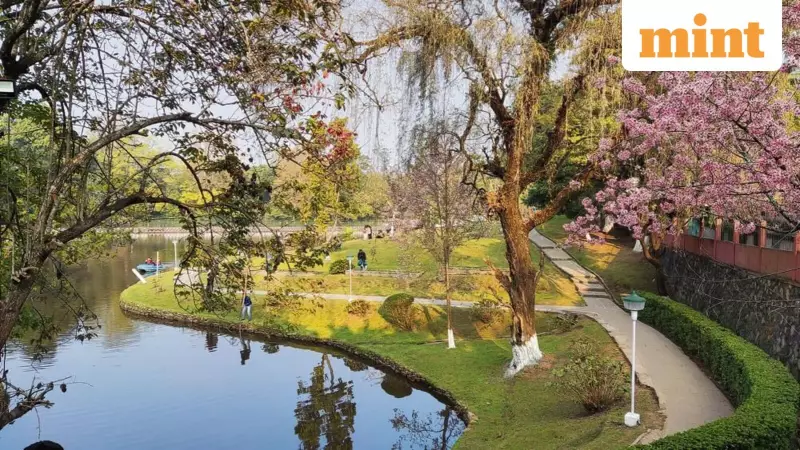
In a post-pandemic world, the hill state of Meghalaya made a strategic and imaginative choice to revive its fortunes. Instead of traditional industries, the government decided to bet on the creative economy, weaving together literature, music, food, and local craftsmanship. The recent Shillong Literary Festival, held in November against a backdrop of blooming cherry blossoms, became a vibrant testament to this successful experiment.
A Literary Festival Where Wine Stole the Show
Attending the festival, journalist Sandip Roy found himself committing what he humorously calls a "literary treason." While he left without buying books, his luggage was carefully packed with bottles of artisanal fruit wine from Meghalaya. This shift from books to bottles, however, was perfectly aligned with the state's new vision.
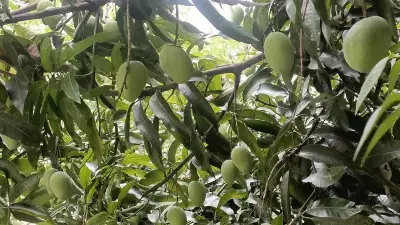
As IAS officer D. Vijay Kumar highlighted at the festival's inauguration, the creative economy is now central to Meghalaya's revival plan. This vision encompasses not just literature, but also the Chief Minister’s Meghalaya Grassroots Music Program (CMMGMP), films, design, and local cuisine. The festival grounds near Ward's Lake buzzed with this energy, where vendors offered samples of sohiong (blackberry) and bayberry wine as early as 10 a.m., and stalls sold ice cream in unique flavours like Khasi rice and golden turmeric.

Rooted Cosmopolitanism: The New Shillong Blend
Today's Shillong presents a cosmopolitanism deeply rooted in the local, a contrast to the generic globalism of larger metros. This was evident at venues like Shad Skye bar, where classic cocktails were reinvented with infusions of black sesame, pinewood bitters, and bamboo shoot. Similarly, the Italian restaurant Nonna Mei served dishes where local staples like khar replaced cheese, and a negroni came garnished with crispy pork skin.
This bold fusion extends beyond food and drink. The state actively funds young filmmakers and runs its own OTT platform, Hello Meghalaya. Chief Minister Conrad Sangma, a musician himself, has championed the grassroots music program since 2022, funding small cafe gigs to build an ecosystem. He has even suggested a writing competition to nurture more local literary voices.
From Home Brews to Economic Blossom
The transformation is intentional, not accidental. While homemade fruit wine and rice beer have long been traditions, recent policy changes have turned them into legitimate economic drivers. Excise rules were amended to legalize production and sale. The state has extended VAT exemption on fruit wine to 10 years, and products like Bitchi rice beer from Garo Hills now boast GI tags and smart packaging.
This creative push is framed by Shillong's natural beauty, now amplified by the annual Cherry Blossom Festival. The cherry trees, planted in the late 1970s, have transformed the "Scotland of the East" into a sakura city akin to Kyoto, drawing tourists and symbolizing a new beginning. As filmmaker Dominic Sangma noted, local stories, once told on mountain walks to school, are now blooming for the world to see, much like the cherry blossoms.
The success of this model was perhaps best summed up by Roy's departure dilemma: overweight luggage due to wine bottles. The solution? Removing books to make space for the wine—a fitting metaphor for a journey where both are cherished fruits of Meghalaya's flourishing creative economy.