In the quiet rhythm of Hindu observances, Sakat Chauth stands out as a day where maternal devotion takes center stage. Unlike festivals marked by grand celebrations, this day is a solemn vow of protection, observed by mothers for the health and long life of their children. Falling in the Krishna Paksha of the Magh month, it is a fast steeped in meaning rather than spectacle.
Sakat Chauth 2026: Date and Timings
In the year 2026, Sakat Chauth will be observed on Tuesday, January 6. According to the Hindu Panchang, the Chaturthi tithi begins on January 6 at 8:01 am and concludes on January 7 at 6:52 am. Since the auspicious tithi prevails during the daytime, the fast is kept on January 6. The vrat culminates after moonrise, which is expected around 8:54 pm on January 6. The fasting is traditionally a nirjala vrat, observed without food or water, though adaptations are made based on personal health and regional customs.
The Rituals and Spiritual Core of the Vrat
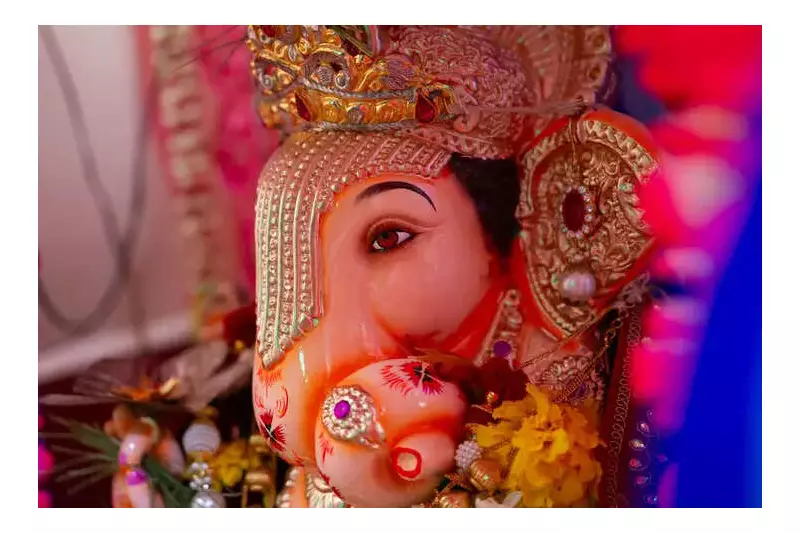
The evening puja is dedicated to Lord Ganesha, revered here as Vighnaharta, the remover of obstacles. An idol or image of Ganesha is placed on a clean platform. The offerings are symbolic and nourishing:

- Til-gud laddoos or Tilkut (giving the day its alternative name, Tilkut Chauth)
- Modak or motichoor laddoos
- Fruits and seasonal roots like sweet potato
- Durva grass, red flowers, and a lit diya
Sesame (til) holds special importance, representing warmth and resilience, essential qualities for overcoming adversity. The fast itself is an act of focused restraint, where a mother's endurance and resolve are symbolically channeled into a protective shield for her children, guarding them from illness, fear, and life's hurdles.
Moon Worship and Completing the Fast
A defining ritual of Sakat Chauth, also known as Sankata Chauth, is the worship of the moon. After moonrise, women offer 'arghya' to the moon using water mixed with milk, white sesame seeds, grains, and flowers. The moon symbolizes emotional stability and continuity. This act is believed to soothe maternal anxiety and invoke calm for both mother and child. Only after this offering is the fast broken, marking the completion of the vrat.
At its heart, Sakat Chauth transcends ritualistic precision. It is a structured pause in the uncertain journey of parenting—a night where faith overrides fear. It embodies a powerful belief: that true protection flows from steadfastness, prayer, and surrendering to a process larger than oneself, wishing for a child's well-being without seeking anything in return.
Note: Customs and practices may vary across regions and families. It is advised to follow traditions in accordance with one's personal health and faith.