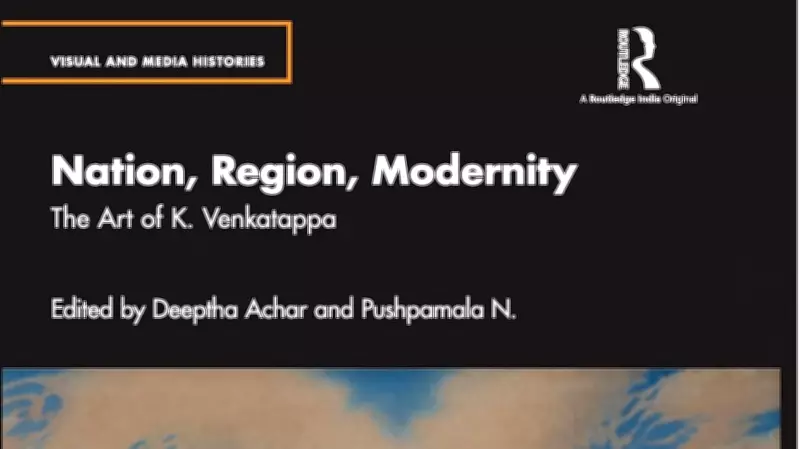
Rediscovering an Unsung Modernist: A Fresh Perspective on a Literary Pioneer
A recent publication has sparked renewed interest in the life and work of a largely forgotten modernist writer, offering a comprehensive re-evaluation that challenges previous neglect. This book delves deep into the writer's innovative contributions to literature, positioning them as a significant figure in the modernist movement whose influence has been unjustly overlooked.
The Life and Times of a Neglected Artist
The book provides a detailed biographical account, tracing the writer's journey from their early years through their creative peak and eventual obscurity. It explores the personal struggles, societal constraints, and historical contexts that shaped their work, painting a vivid picture of an artist grappling with the complexities of their era. The narrative highlights how their experiences informed their unique literary voice, blending traditional forms with experimental techniques.
Literary Innovations and Contributions
Central to the book's analysis is a thorough examination of the writer's key works, which are characterized by their bold experimentation with narrative structure, language, and themes. The author argues that this writer pioneered techniques that later became hallmarks of modernism, such as stream-of-consciousness, fragmented storytelling, and psychological depth. Specific examples from novels, short stories, and essays are cited to illustrate these points, demonstrating a consistent commitment to artistic innovation.

- Narrative experimentation: Breaking away from linear plots to explore subjective realities.
- Linguistic creativity: Employing unconventional syntax and vocabulary to evoke emotional states.
- Thematic boldness: Addressing taboo subjects like identity, alienation, and social change with unflinching honesty.
Reasons for Historical Oversight
The book investigates why this writer faded from public memory, pointing to factors such as limited publication access, critical biases of the time, and the overshadowing by more prominent contemporaries. It critiques the literary establishment's tendency to prioritize certain voices while marginalizing others, suggesting that this writer's gender, background, or unconventional style may have contributed to their neglect. This section serves as a cautionary tale about the selective nature of cultural memory.
Impact and Relevance Today
In its concluding chapters, the book argues for the writer's enduring relevance, noting how their themes resonate with contemporary issues like globalization, identity politics, and mental health. It calls for a broader inclusion of such figures in academic curricula and public discourse, emphasizing the importance of diverse perspectives in understanding literary history. The revival of interest sparked by this publication is seen as a step toward rectifying historical injustices and enriching our cultural heritage.
Overall, this revisiting not only rehabilitates the reputation of an unsung modernist but also invites readers to reconsider the very foundations of literary canon formation. By shedding light on overlooked contributions, it encourages a more inclusive and nuanced appreciation of modernism's multifaceted legacy.