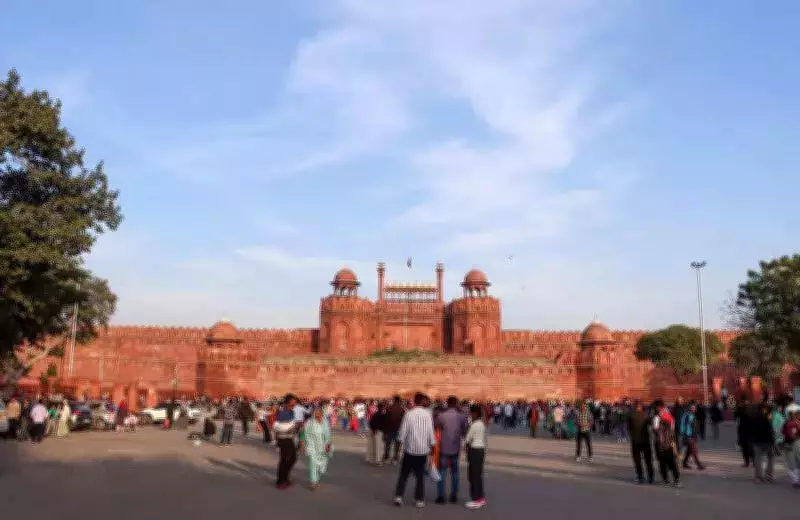
Red Fort to Remain Open Seven Days a Week in Major Tourism Boost
In a landmark decision that will significantly enhance accessibility for both domestic and international tourists, the Archaeological Survey of India (ASI) has officially declared that Delhi's iconic Red Fort will now remain open to visitors on all days of the week. This historic move ends the long-standing practice of closing the monument every Monday, which often disrupted travel itineraries and limited visitor opportunities.
Official Order and Implementation Details
The formal directive was issued on February 13 by the Archaeological Survey of India, clearly stating that the protected monument of national importance "shall, henceforth, remain open on all days of the week for visitors and general public." The order was personally signed by Director General Yadubir Singh Rawat, marking a significant policy shift in the management of one of India's most visited heritage sites.
For decades, the Red Fort followed the standard practice of closing on Mondays, similar to many other historical monuments across the country. This weekly closure was traditionally used for deep cleaning, maintenance work, and allowing staff rest days. The new policy represents a fundamental change in how India's premier archaeological body manages high-traffic heritage locations.

Operational Restructuring and Conservation Challenges
While tourism operators and visitors have enthusiastically welcomed the decision, it has raised important operational questions regarding staffing, monument upkeep, and long-term conservation efforts. Senior ASI officials have confirmed that comprehensive restructuring of duty rosters will be implemented across multiple departments to ensure maintenance standards remain uncompromised.
Instead of relying on a fixed weekly shutdown, the Red Fort will now adopt staggered maintenance schedules and rotational staff off-days. This innovative approach requires careful coordination among security personnel, ticketing staff, horticulture teams, and conservation workers who are essential to the monument's daily operations and preservation.
Expert Perspectives on Continuous Access Conservation
Conservation experts have emphasized that this transition to year-round accessibility demands more sophisticated management and tighter supervision protocols. "With no full closure day, preventive conservation and routine repairs will have to be planned zone-wise," explained a senior official involved in the implementation process.
The new operational model involves cordoning off specific areas in phases to allow essential restoration work, stone cleaning, and structural inspections to proceed without completely halting public access. This balanced approach aims to maintain the delicate equilibrium between visitor experience and heritage preservation that defines world-class monument management.
Significance of Red Fort and Visitor Impact
As a UNESCO World Heritage Site and the traditional venue for the Prime Minister's annual Independence Day address, the Red Fort attracts substantial footfall throughout the year. The monument serves not only as a major tourist attraction but also as a powerful symbol of India's rich historical legacy and national identity.
For visitors, the elimination of Monday closures translates to greater flexibility in travel planning and enhanced opportunities to experience this architectural marvel. International tourists with limited time in Delhi will particularly benefit from the expanded access, as will domestic visitors who previously had to schedule their visits around the weekly closure.
Future Implications for Heritage Management
This policy change signals a broader shift toward more continuous, carefully managed operational models for India's most iconic monuments. The Red Fort initiative establishes a precedent that other high-traffic heritage sites might follow, balancing increased accessibility with rigorous preservation standards.

For ASI staff and conservation teams, the new approach represents a transition to dynamic scheduling that requires enhanced coordination and planning. The success of this model could influence how other UNESCO World Heritage Sites in India manage the competing priorities of tourism promotion and heritage conservation in the coming years.
The Archaeological Survey of India's decision reflects evolving global best practices in heritage management, where technological advancements and improved operational planning enable monuments to remain accessible while maintaining their structural integrity and historical authenticity for future generations.