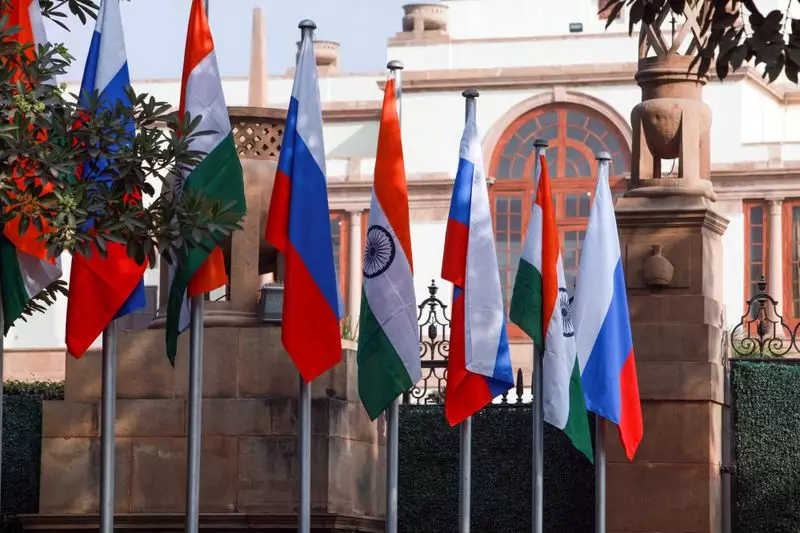
Russian President Vladimir Putin's recent diplomatic visit to India included a significant historical footnote—his accommodation in Hyderabad. The world leader stayed at a unique and opulent heritage property, the former guest house of the last Nizam of Hyderabad, famously known for its distinctive butterfly shape.
The Historic Butterfly Palace Hosts a Modern World Leader
During his official trip, President Putin resided at the Falaknuma guest house, a property steeped in the regal history of the Deccan. This isn't a standard government guest house; it is a century-old architectural gem originally built for the seventh Nizam of Hyderabad, Mir Osman Ali Khan. The structure's most striking feature is its unique layout: when viewed from above, the building is shaped like a butterfly with its wings spread.
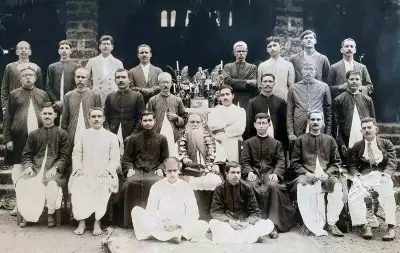
Constructed in the year 1920, the palace boasts 36 elegantly appointed rooms. It served as a private retreat and guest house for the Nizam, one of the wealthiest men in history. The property's design and construction reflect the zenith of Hyderabad's princely era, blending local artistry with global influences of the early 20th century.
From Nizam's Grandeur to Presidential Security
The choice of this venue for a high-profile state guest like President Putin underscores its enduring stature and grandeur. Hosting a head of state of such global importance required meticulous security and logistical planning, transforming the historic palace into a secure fortress for the duration of the visit. The event highlights how India's rich historical assets are seamlessly integrated into modern statecraft and diplomacy.
The stay brought international attention back to the legacy of the last Nizam of Hyderabad and the architectural wonders built during his reign. The butterfly palace stands as a silent witness to history, having transitioned from a symbol of princely extravagance to a state facility hosting pivotal diplomatic engagements.
A Symbol of Hyderabad's Enduring Legacy
President Putin's stay at the Falaknuma guest house does more than provide a luxurious accommodation; it acts as a powerful reminder of Hyderabad's historical significance. The city, a major hub for technology and business today, has roots that delve deep into a past of immense cultural and political power. The Nizam's era left behind a legacy of art, architecture, and administration that continues to define the region's identity.
This incident connects two distinct historical epochs: the final chapter of India's princely states and contemporary global geopolitics. It showcases how heritage conservation can serve national interests, allowing historical narratives to become part of present-day diplomatic stories. The butterfly-shaped palace, with its 36 rooms built in 1920, has now added a new, global chapter to its long and storied existence.