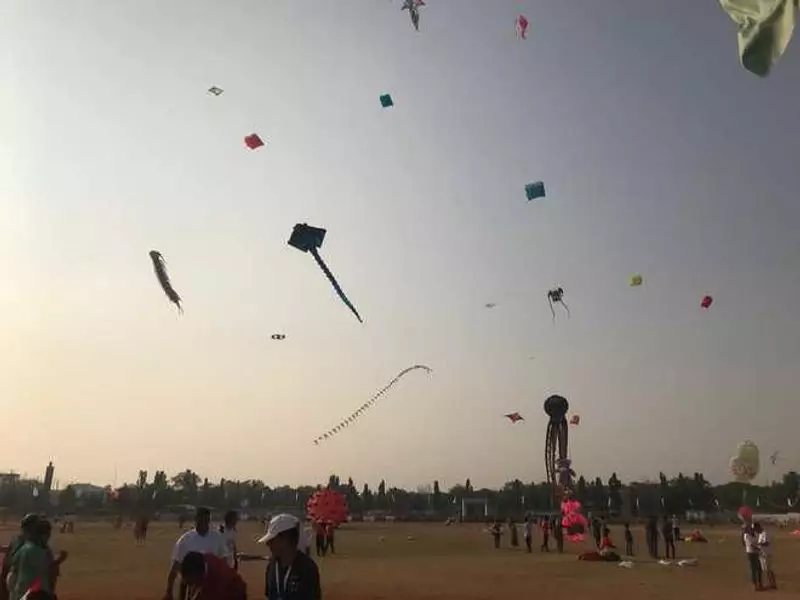
In a landmark decision aimed at reviving cultural heritage, the government of Pakistan's Punjab province has officially lifted a ban on kite flying during the popular Basant festival. This prohibition had been in place for nearly two decades, citing safety concerns and fatalities.
A Two-Decade-Long Prohibition Comes to an End
The provincial administration, led by Chief Minister Maryam Nawaz Sharif, has given the green light to celebrate Basant with traditional kite flying. The ban was initially imposed due to numerous deaths and injuries caused by sharp strings, often coated with glass or metal, and hazardous power line incidents. The recent cabinet meeting, chaired by CM Sharif, concluded that the festival is an integral part of the region's cultural identity and should be restored with proper safeguards.
Strict New Regulations for a Safer Celebration
While lifting the ban, the government has introduced a comprehensive set of strict safety regulations to prevent past tragedies. The new rules explicitly prohibit the manufacture, sale, and use of dangerous kite strings known as 'dor' or 'manjha' that are chemically coated or reinforced with metal or glass. Only cotton threads will be permitted for kite flying.
Furthermore, the authorities have designated specific dates and times for the festivities. Kite flying will be allowed from sunrise to 5:00 PM on the designated days. The cabinet has also empowered Deputy Commissioners across the province to finalize the exact dates for Basant celebrations in their respective districts, ensuring local oversight.
Cultural Revival and Economic Boost
The decision is widely seen as a move to revive a cherished cultural tradition that had faded from Punjab's social calendar. Basant, marking the arrival of spring, was once a major tourist attraction, drawing visitors from across Pakistan and beyond. Its ban had a significant impact on local economies, affecting kite makers, thread sellers, and the hospitality sector.
Local traders and cultural enthusiasts have welcomed the move, hoping it will restore the festival's former glory and provide an economic boost to traditional crafts. However, the government has made it clear that the revival is conditional on strict adherence to the new safety protocols. Law enforcement agencies have been directed to ensure compliance and take action against violators.
The lifting of this 20-year ban represents a careful balancing act between preserving cultural heritage and ensuring public safety. The success of this year's Basant celebrations will likely determine the future of this iconic festival in Pakistan's most populous province.