Pune Residents Embrace Makar Sankranti with Traditional Joy and Modern Awareness
Pune city is buzzing with festive energy as residents prepare to celebrate Makar Sankranti. The festival brings together long-standing traditions with a growing emphasis on safety and community-led celebrations. Across the city, people are blending age-old customs with contemporary awareness.
Markets Bustle with Festive Shoppers
In the days leading up to the festival, popular markets witnessed steady crowds. Shoppers flocked to Mahatma Phule Mandai, Laxmi Road and Tulshibaug. They browsed for festive clothing, puja essentials and ingredients for traditional Sankranti delicacies. The air filled with anticipation as people selected items for their festive spreads.
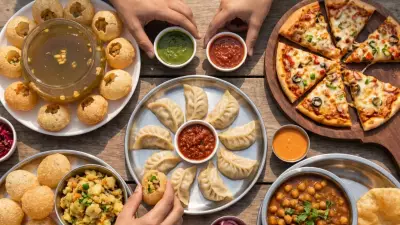
Tilgul remains absolutely central to Maharashtrian celebrations. Families exchange sweets made of sesame and jaggery. They accompany these exchanges with the customary greeting: "tilgul ghya, goad goad bola." This phrase translates to "take tilgul and speak sweetly."

The Heart of Tradition: Tilgul and Relationships
Meera Deshpande, a resident of Karvenagar, explained the deeper meaning. "Tilgul and the phrase are about resetting relationships in the new year," she said. "The tradition began generations ago as a way to let go of bitterness and begin anew."
Deshpande continued, "Sesame and jaggery help keep the body warm in winter. But the words are meant to warm relationships. Even today, it reminds us to speak kindly. This holds true regardless of how the past year unfolded."
Community Gatherings Adapt to Urban Living
The festival also features haldi-kunku gatherings. Women dress in black and exchange gifts during these events. Many housing societies now organize these gatherings internally. Others opt for food-centric celebrations that better suit compact living spaces.
Mahesh Pandhare, a Baner resident, shared his plans. "We will host a hurda party for residents on Makar Sankranti," he said. "Hurda is closely associated with winter and the harvest season. It naturally brings people together over food and conversation."
Pandhare noted the practical benefits. "In a city where open spaces for kite flying are limited, it offers a warm and inclusive way to celebrate," he explained.
Kite Flying Traditions and Environmental Concerns
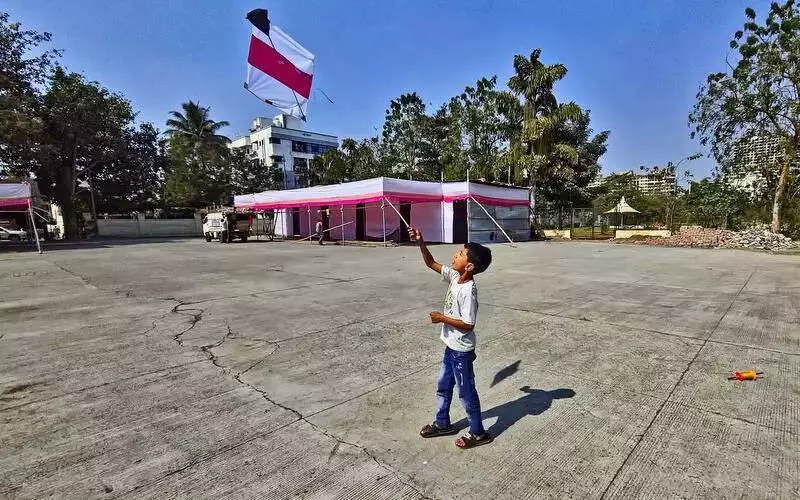
Festive meals and social visits form the heart of Sankranti for many families. However, kite flying continues as part of the tradition for some. Families head to open grounds and terraces across Pune to fly kites.
Animal welfare groups have reiterated their caution against using manja. This includes cotton strings that pose dangers. Discarded kite strings often get entangled in trees and electric lines. They present a serious threat to birds. Birds can suffer severe injuries or die while attempting to free themselves.
Increased Awareness and Rescue Efforts
Nachiket Utpat serves as director of wildlife conservation at ResQ Charitable Trust. He reported that the organization recorded its highest number of bird rescue calls during last year's Makar Sankranti.
"The increase reflects greater public awareness rather than a rise in incidents," Utpat clarified. "More citizens are alert now. They contact us or the forest department when they spot a bird in distress."
Families Make Conscious Choices
This heightened awareness is influencing family decisions. Sangeeta Joshi lives in Sadashiv Peth. Her six-year-old son decided not to fly kites this year.
"We don't usually fly kites as we are both working parents," Joshi said. "Two years ago we visited a friend's farmhouse. The children were allowed to hold the string there. My son was absolutely thrilled."
She continued, "This year, however, he understands the impact kite flying can have on birds. These issues are discussed in school. Children today are far more environmentally conscious."
Ongoing Challenges with Enforcement
Over the past decade, environmentalists and civic authorities have highlighted specific dangers. They focused on nylon and metal-coated kite strings. This led to a ban on their manufacture and sale.

Despite the ban being in place since 2017, enforcement remains challenging. Such materials continue to be sourced illegally. Authorities face ongoing difficulties in completely eliminating these hazardous products from the market.
Pune's Makar Sankranti celebrations showcase how traditions evolve. Communities maintain cultural practices while adapting to urban realities. Safety consciousness grows alongside festive spirit. The city demonstrates that celebration and responsibility can coexist beautifully.