Patna Zoo Embarks on Major Animal Exchange to Enhance Conservation and Visitor Experience
The Sanjay Gandhi Biological Park, widely recognized as the Patna zoo, is preparing to introduce a fascinating collection of endemic and exotic animals in the near future as part of a significant animal exchange initiative. Coordinated under the strict guidelines of the Central Zoo Authority of India (CZA), this program involves strategic swaps with the National Zoological Park in Delhi and the Rohtak zoo in Haryana, marking a pivotal step in wildlife management.
Goals and Strategic Importance of the Exchange
Zoo officials have highlighted that the primary objectives of this exchange are to enhance genetic diversity, prevent inbreeding, and strengthen captive breeding populations. These efforts are crucial for the long-term conservation of wildlife species, ensuring healthier and more sustainable populations in captivity. By adhering to national wildlife management standards, the Patna zoo aims to contribute significantly to broader conservation goals while improving the overall health of its animal residents.
Incoming Animals: A Diverse Array of New Attractions
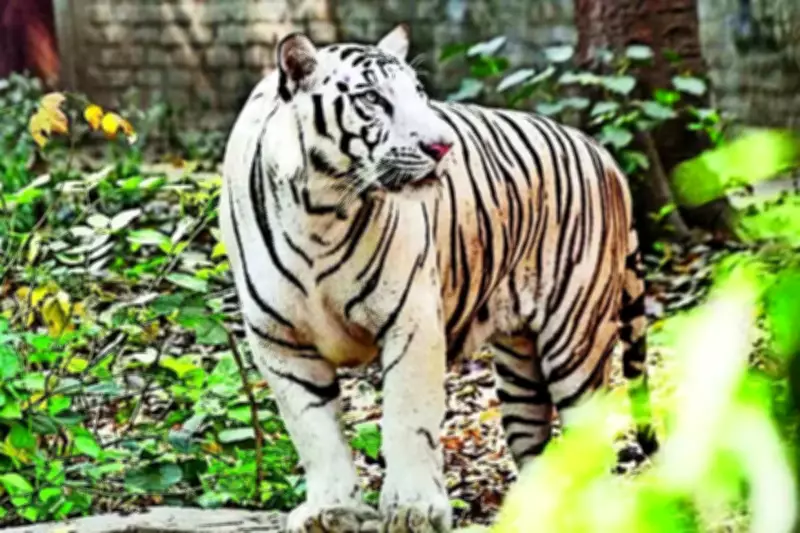
Under the agreement with the Delhi zoo, Patna is set to receive a white tigress, which is expected to become a star attraction for visitors. Other notable arrivals include:

- Six sangai deer, also known as Manipur brow-antlered deer, comprising two males and four females.
- Four white blackbucks, with two males and two females.
- Four rosy pelicans, four painted storks, and a white heron.
In a separate exchange with the Rohtak zoo, Patna will welcome two green iguanas and two silver pheasants, which will bolster its reptile and bird exhibits, adding unique elements to the zoo's offerings.
Outgoing Animals and Exchange Details
In return, Patna zoo will send four Indian antelopes to the Delhi zoo. Additionally, it will transfer a male tiger, four gharials, four grey wolves (two males and two females), two common snakes, and two barn owls. A pair of wolves will also be sent to the Rohtak zoo in Haryana, ensuring a balanced and mutually beneficial exchange that supports genetic diversity across multiple species.
Preparations and Timeline for the New Arrivals
Patna zoo director Hemant Patil emphasized that the white blackbucks and green iguanas will be new attractions for visitors. "A separate enclosure adjacent to the existing blackbucks has been created for the new inmates. Furthermore, a glass enclosure measuring 20x30 feet was prepared long ago at the reptile house for the iguana," he stated. The enclosure has been equipped with naturalistic features such as strong branches, logs, a fountain, rocks, and foliage to mimic the iguana's natural habitat, as these reptiles consume fruits, vegetables, leaves, and insects.
Patil added, "Both animal exchange programs have been approved recently, and the swapping of animals will occur within the next 10-15 days. Our team will visit both zoos, and their teams will come to expedite the process. We expect to receive the new inmates by April 20, all arriving by road. After a 30-day quarantine period, the public will be able to view them in their enclosures."
Impact on Visitor Numbers and Conservation Efforts
Zoo officials stress that such exchanges are vital for maintaining healthy bloodlines and complying with national standards. The new arrivals are anticipated to substantially boost visitor numbers, transforming Patna zoo into a more vibrant destination for wildlife enthusiasts and families alike. This initiative not only enhances the zoo's appeal but also reinforces its role in global conservation efforts, making it a key player in preserving biodiversity for future generations.