Nepal Hosts 13th International Tattoo Convention, Showcasing Fusion of Tradition and Modern Body Art
Kathmandu, the vibrant capital of Nepal, recently became the epicenter of global body art as it hosted the 13th International Tattoo Convention. This prestigious event drew tattoo artists, enthusiasts, and cultural aficionados from over 20 countries, transforming the city into a dynamic hub of creativity and cultural exchange. The convention, held over three days, served as a platform to celebrate the intricate blend of Nepal's rich traditional motifs with cutting-edge modern tattoo techniques.
A Global Gathering of Artistic Talent
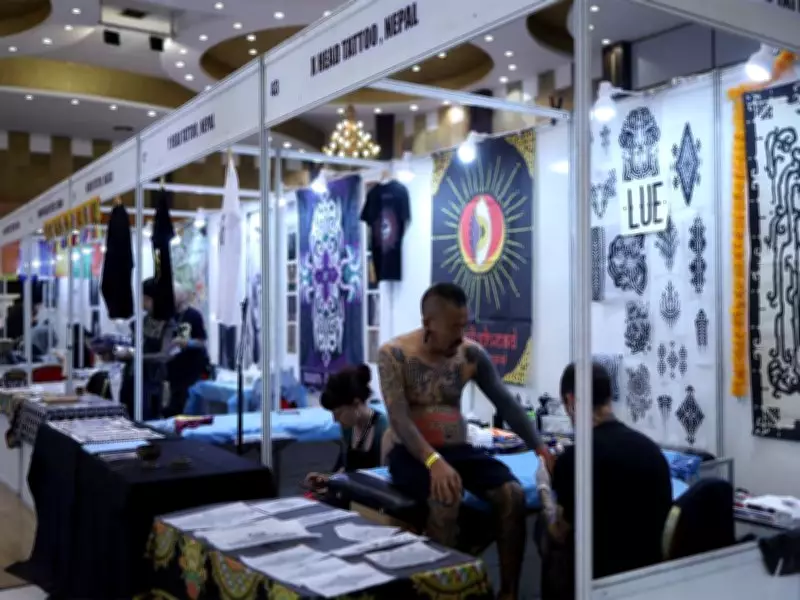
The convention featured an impressive lineup of more than 150 tattoo artists from diverse nations, including India, the United States, Japan, and various European countries. These artists showcased their unique styles, ranging from traditional Nepalese designs inspired by ancient scriptures and folklore to contemporary genres like realism, geometric patterns, and watercolor tattoos. Attendees had the opportunity to witness live tattooing sessions, where skilled artisans demonstrated their craft on-site, creating personalized pieces that reflected both cultural heritage and individual expression.
Celebrating Cultural Heritage Through Body Art
A key highlight of the event was its emphasis on preserving and promoting Nepal's cultural legacy. Many artists incorporated traditional symbols such as mandalas, deities from Hindu and Buddhist mythology, and intricate patterns from Newari art into their designs. This fusion not only honored Nepal's historical roots but also introduced these elements to a global audience, fostering a deeper appreciation for the country's artistic traditions. Workshops and panel discussions were organized to educate participants about the significance of these motifs and their evolution in modern body art.

Economic and Social Impact on Local Community
The convention provided a significant boost to Nepal's tourism and local economy, with thousands of visitors flocking to Kathmandu for the event. Hotels, restaurants, and local vendors experienced increased business, highlighting the potential of cultural events to drive economic growth. Additionally, the convention promoted social inclusivity by bringing together people from various backgrounds, ages, and professions, united by their passion for tattoos. It challenged stereotypes associated with body art, emphasizing its role as a form of self-expression and artistic merit rather than mere rebellion.
Future Prospects and Global Recognition
Organizers expressed optimism about the convention's growing influence, noting that it has become a must-attend event in the international tattoo calendar. Plans are underway to expand future editions, with aims to include more interactive exhibits, competitions, and collaborations with cultural institutions. The success of this year's convention underscores Nepal's emerging status as a destination for artistic innovation, bridging the gap between tradition and modernity in the global body art scene. As the event continues to evolve, it is poised to further elevate Nepal's cultural footprint on the world stage.