The Sacred Trinity of Navratri: Poori, Halwa, and Kale Chane
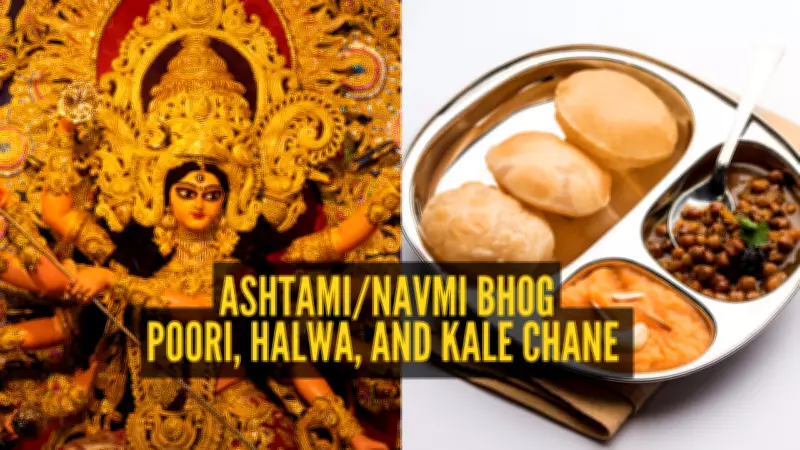
Indian festivals weave a magical tapestry where tradition, mythology, and science converge through food. Far beyond mere culinary delights, these dishes are meticulously designed to nurture the human body, aligning spiritual practices with physiological well-being. A quintessential example is the bhog offered during Navratri: Poori, Sooji Halwa, and Sookhe Kale Chane. This combination, served on Durga Ashtami and Navami, embodies a profound synergy of devotion and health.
Mythological Significance: Honoring the Divine in Young Girls
On the eighth day of Navratri, devotees worship Mahagauri, the eighth manifestation of Maa Durga. This day, known as Durga Ashtami, and the subsequent ninth day, Ram Navami or Maha Navami, are celebrated nationwide with Kanjak Puja or Kanya Pujan. According to the Devi Bhagwat Puran, young girls are revered as embodiments of Goddess Durga. Traditionally, nine girls and one boy (called Langur) are honored with this sacred feast, symbolizing the goddess's blessings.
Nutritional Wisdom: A Post-Fast Rejuvenation
Celebrity nutritionist Rujuta Diwekar highlights that this bhog provides essential nutrients, helping balance the digestive system after 7-8 days of a sattvic diet. The combination is not random; it's a scientifically backed meal that replenishes energy and promotes holistic health.

Dates and Timings for Ashtami and Navami 2026
Durga Ashtami (Maha Gauri): Thursday, March 26, 2026
- Ashtami Tithi Begins: March 25, 2026, 5:00 PM – 7:00 PM (approx)
- Ashtami Tithi Ends: March 26, 2026, 6:00 PM – 8:00 PM (approx)
- Ashtami Kanya Pujan Muhurat: March 26, 6:18 AM – 7:50 AM, or 10:55 AM – 3:31 PM
Navami (Ram Navami): Friday, March 27, 2026
- Navami Tithi Begins: March 26, 2026, 6:00 PM – 8:00 PM (approx)
- Navami Tithi Ends: March 27, 2026, 7:00 PM – 9:00 PM (approx)
- Navami Kanya Pujan Muhurat: March 27, 6:17 AM – 10:54 AM, or 12:27 PM
Health Benefits of Kanjak Prasad
Prepared in pure desi ghee, this bhog is a powerhouse of nutrition:
- Chana and Sooji: Rich in dietary fiber, they aid in regulating blood sugar and cholesterol levels, supporting cardiovascular health.
- Black Chana: Contains saponins, which inhibit cancer cell multiplication, and selenium, which detoxifies cancer-causing compounds.
- Ghee: Packed with healthy fats, antioxidants, and vitamins A, D, E, and K, it enhances digestion, promotes glowing skin, and boosts immunity.
How to Perform Kanjak Puja
The ritual begins with washing the feet of young girls (aged 2-10). A tilak is applied, and a kalava is tied on their wrists. They are first offered tender coconut, followed by the bhog of Poori, Halwa, and Sookhe Kale Chane. In Northern India, additions like Sattvik Aloo Gobhi or Aloo Tamatar are common. The puja concludes with gifts such as money, jewelry, clothes, or toys. Devotees seek blessings by touching the girls' feet and later break their fast with the remaining prasad.
Recipes for the Sacred Bhog
Sooji Halwa
Ingredients: 1 cup semolina, 1 cup ghee, 1 cup sugar, 2 cups water, 2 tbsp roasted nuts
Method: Roast semolina until golden. Add ghee and mix. Prepare a sugar syrup with water and sugar, then combine with semolina. Cook to desired consistency, stir in nuts.
Poori
Ingredients: 1 cup wheat flour, water as needed, ghee for frying
Method: Sieve flour, knead a soft dough with water. Roll out pooris and deep-fry in ghee.
Kale Chane
Ingredients: 1 cup soaked black chickpeas, 2 tomatoes, 2 green chilies, 4 tbsp ghee, 2 tsp cumin seeds, salt, 1 tsp coriander powder, 1 tbsp coriander leaves
Method: Pressure cook chickpeas with salt. Heat ghee, sauté cumin and chilies. Add tomatoes, cook for 3-5 minutes. Mix in spices and salt, then add boiled chickpeas. Sauté for 5-6 minutes, garnish with coriander leaves.
Serve this divine combination to honor the goddess and embrace a tradition that nourishes both soul and body.