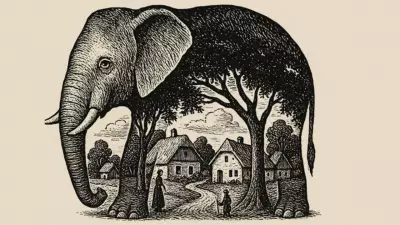
Mulberry days have long been a part of India's rich cultural tapestry, celebrated in various regions with unique traditions and practices. These days, which honor the mulberry tree and its fruits, are deeply rooted in local folklore and agricultural cycles. The mulberry tree, known for its sweet berries and silkworm host, holds a special place in both rural and urban settings.
Historical and Cultural Background
Historically, mulberry trees were cultivated extensively for sericulture, the production of silk. The leaves of the mulberry tree are the primary food source for silkworms, making the tree integral to India's silk industry. Beyond its economic value, the mulberry tree is associated with various myths and rituals. In some communities, planting a mulberry tree is considered auspicious, believed to bring prosperity and good health.
Traditional Celebrations
During mulberry days, families gather to harvest the ripe fruits, which are used in a variety of dishes, from jams and jellies to traditional sweets. In certain villages, festivals are organized where people sing folk songs and perform dances around the mulberry trees. These events strengthen community bonds and pass down ancestral knowledge about the tree's care and uses.

Modern-Day Relevance
In contemporary times, mulberry days have evolved to include educational programs about sustainable agriculture and the importance of preserving native plant species. Schools and environmental groups organize tree-planting drives and workshops on mulberry cultivation. The fruits are also gaining popularity in urban markets as a superfood, rich in vitamins and antioxidants.
Health and Nutritional Benefits
Mulberries are not only delicious but also packed with nutrients. They are a good source of vitamin C, iron, and dietary fiber. Consuming mulberries can boost immunity, improve digestion, and promote healthy skin. Many health enthusiasts incorporate mulberries into their diets through smoothies, salads, and dried fruit mixes.
Economic Impact
The mulberry tree continues to support local economies, especially in sericulture regions. The silk industry provides livelihoods for thousands of families, and the fruit harvesting season creates temporary employment opportunities. Additionally, mulberry-based products like wine, tea, and skincare items are emerging as niche markets, offering new income streams for farmers.
Preservation Efforts
To ensure the survival of mulberry trees, various conservation initiatives are underway. Government schemes promote the planting of mulberry trees along roadsides and in community gardens. Non-profit organizations work with indigenous communities to document traditional knowledge related to mulberry cultivation and usage. These efforts aim to protect biodiversity and sustain cultural heritage.
In conclusion, mulberry days are more than just a celebration of a fruit; they represent a deep connection between nature, culture, and livelihood. As India moves forward, preserving such traditions becomes essential for maintaining ecological balance and cultural diversity. The mulberry tree stands as a symbol of resilience and abundance, reminding us of the wisdom embedded in our agricultural past.