Makar Sankranti Arrives with Quiet Significance
Makar Sankranti arrives without grand spectacle, yet it carries profound meaning in the Indian calendar. As winter reaches its peak and days begin to lengthen, this ancient festival marks the Sun's steady return toward warmth and light. Nature itself shifts direction during this time, reminding people that even the coldest phase is temporary.
A Festival That Follows the Sun, Not the Moon
Most Hindu festivals follow the lunar calendar, which is why Diwali, Holi, and Navratri move across different months each year. Makar Sankranti stands apart because it follows the solar calendar based on the Sun's position in the sky. The word "Sankranti" means "transition." On this day, the Sun moves into the zodiac sign of Capricorn, known as Makar. This celestial shift gives the festival its name.
Because the Sun's movement is steady and predictable, this transition happens almost every year around mid-January. Over centuries, due to the slow shift in Earth's axis, the Sun now enters Capricorn around January 14th. This explains why the festival has settled on this specific date in modern times.

The Beginning of Uttarayan
Makar Sankranti also marks the start of Uttarayan, the Sun's northward journey. This phase holds deep symbolic meaning in Indian culture. It represents movement from darkness to light and from stillness to growth. From this day forward, daylight slowly increases. Mornings feel brighter, evenings stretch longer, and the Sun's warmth becomes more noticeable.
To ancient people living close to nature, this change was significant. It meant better weather, healthier crops, and more active daily life. Uttarayan is therefore seen as a time of renewal, positivity, and spiritual upliftment across Indian traditions.
Why It's Also a Harvest Festival
Makar Sankranti is not just a sky-based celebration. It is deeply rooted in the soil. By mid-January, farmers across India finish harvesting important winter crops like rice, wheat, sugarcane, and pulses. This explains why the festival takes different forms across the country.
- Pongal in Tamil Nadu
- Uttarayan in Gujarat
- Magh Bihu in Assam
- Khichdi in North India
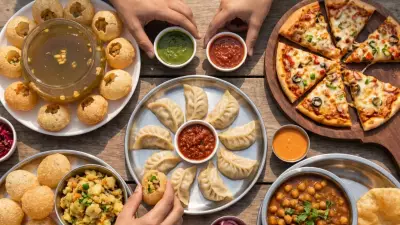
Each regional version thanks the Sun and the earth for nourishing the fields. Food plays a central role because it represents abundance. Dishes made from freshly harvested grains, jaggery, sesame seeds, and rice remind people that the earth has once again provided enough sustenance.
The Spiritual Meaning Behind the Date
In Hindu belief, Uttarayan is considered a highly auspicious time. It is associated with clarity, self-discipline, and spiritual growth. Ancient texts suggest that souls who leave the body during this phase attain liberation more easily. This poetic idea indicates that the period is filled with higher energy and light.
Makar Sankranti is therefore not only about seasons or farming. It is also about inner awakening and letting go of darkness, just as the Sun begins to rise higher in the sky each day.
Why January 14th Still Matters Today
In our modern world driven by clocks and digital calendars, Makar Sankranti quietly reminds us that human lives remain tied to universal movements. The Sun changes its path, and everything changes with it. Weather patterns shift, crops grow differently, and even human moods transform.
That is why, year after year on January 14th, millions across India look up to the sky. They offer gratitude and welcome a new phase of light, warmth, and possibility. Makar Sankranti is not just another festival. It is nature's announcement that a new season has truly begun.