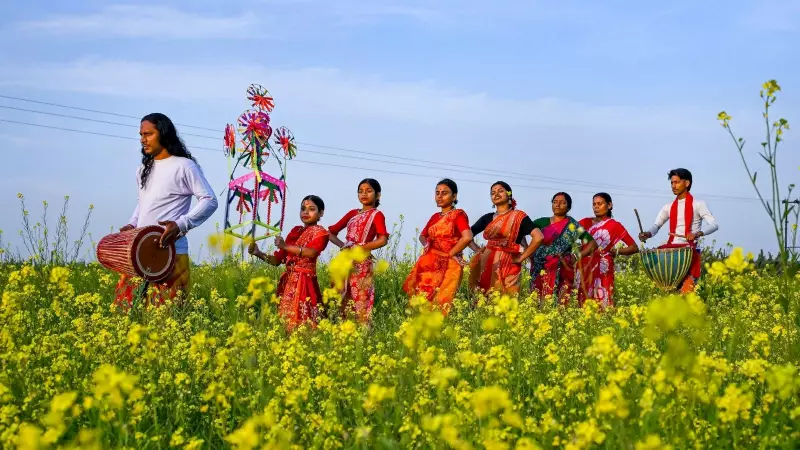
Makar Sankranti 2026: Why January 14 Holds Special Significance
Makar Sankranti arrives every year around January 14, marking a key seasonal shift in India. This harvest festival carries immense importance for agrarian communities. In 2026, it falls on Wednesday, January 14. People across the nation celebrate it under various names like Pongal, Lohri, Magh Bihu, and Khichdi.
The Solar Science Behind the Date
Unlike many Hindu festivals that follow the lunar calendar, Makar Sankranti relies on the solar cycle. This explains its consistent timing each year. The festival commemorates the Sun's entry into the Capricorn zodiac, known as Makara. It signals the start of Uttarayan, the Sun's northward journey.
This transition brings longer days and warmer weather after winter. It symbolizes renewed energy and the beginning of a fresh agricultural season. Farmers express gratitude for bountiful harvests and nature's generosity. In some regions, celebrations occur a day later, especially during leap years.

Cultural and Mythological Roots
Makar Sankranti holds deep cultural and mythological meaning. Farming communities link it to harvesting crops such as rice, wheat, and sugarcane. The festival strengthens the bond between people and the land. Many offer prayers to the Sun God for life sustenance and prosperity.
Devotees perform ritual baths in sacred rivers, conduct morning prayers, and engage in charitable acts. These practices aim to bring peace, good fortune, and spiritual merit. Mythology adds another layer to the celebrations.
Legends say Sankranti is worshipped as a Goddess who defeated the demon Sankarasur. Hindu tradition considers this day the start of an auspicious period. In the Mahabharat, Bheeshma Pitamah chose to leave his body during Uttarayan, seeking liberation.
Diverse Celebrations Across Indian States
India witnesses a rich tapestry of Makar Sankranti celebrations. Each region adds its unique flavor to the festivities.
Maharashtra and Karnataka
People exchange sesame and jaggery sweets here. This custom promotes kind speech and strengthens social bonds.
Tamil Nadu
The four-day Pongal festival begins with Bhogi. The main Pongal day follows, then Mattu Pongal honors cattle for their farming role. Homes feature colorful kolam decorations, and temples host special prayers.
Punjab and Northern India
Lohri celebrations center around bonfires. Families gather to sing, dance, and offer groundnuts and sweets to the flames.
Bihar
Known as Khichdi, this festival gets its name from the traditional rice and lentil dish prepared on the day.
Assam
Makar Sankranti is called Bhogali Bihu or Magh Bihu. The night before, people build meji structures from hay and bamboo. They light these as bonfires on Bihu. Feasts include fish, meat, and Assamese delicacies like pitha, laru, and jolpan.
Bengal
Poush Sankranti features jaggery-based delicacies and pitha. The Ganga Sagar mela occurs this week, with devotees taking dips in the Ganga.
Rajasthan and Gujarat
Kite-filling dominates the skies here. Ahmedabad hosts an annual international kite festival. Sweet dishes made from sesame seeds, jaggery, and rice are household staples.
Festive Foods and Social Messages
Food plays a central role in Makar Sankranti celebrations. Dishes like tilgul laddoos, chikkis, gul poli, pongal, payasam, and khichdi are popular. These sweets symbolize warmth and sweetness in relationships. They also provide nourishment during winter.
The festival carries a strong social message. Exchanging sweets and visiting neighbors reflect values of sharing, goodwill, and harmony. Women and children often go door-to-door with plates of sugarcane, sesame-jaggery mixtures, and sweets. This spreads joy within communities.
A Celebration of Nature and Unity
Beyond religious and cultural aspects, Makar Sankranti highlights humanity's connection with nature. It reminds us to appreciate seasonal changes. The festival encourages gratitude for harvests, respect for the environment, and the importance of unity. It brings people together in a vibrant celebration of life and abundance.