The vibrant festival of Makar Sankranti, marking the sun's transition into the zodiac sign of Capricorn (Makara), will be celebrated across India with great fervor on Wednesday, January 14, 2026. This auspicious day, also known as Uttarayan, signifies the end of the winter solstice and the beginning of longer days, holding immense cultural and spiritual significance.
Makar Sankranti 2026: Auspicious Timings and Muhurat
According to the details provided, the exact moment of the Sankranti transition is crucial for performing rituals. For Makar Sankranti 2026, the Punya Kaal—the most auspicious time for holy activities—will begin at 7:15 AM and conclude at 5:46 PM on January 14th. The Maha Punya Kaal, an even more potent period within this window, is slated for 7:15 AM to 9:00 AM. Devotees are advised to take their holy bath and perform donations (Daan) during these timings to reap maximum spiritual benefits.
Traditional Rituals and Celebrations
Makar Sankranti is synonymous with piety, charity, and joyous celebrations. The day traditionally begins with an early morning bath, preferably in sacred rivers like the Ganga, Yamuna, or Godavari. Following the bath, worshippers offer prayers to Lord Surya (the Sun God), expressing gratitude for the harvest and seeking blessings for prosperity.

A key ritual involves offering til (sesame seeds) and gud (jaggery). This combination symbolizes the importance of sweetness and unity in life. People prepare and share traditional sweets like til-gud laddoos and chikkis. The act of Daan or charitable giving is considered highly meritorious on this day. Common items donated include til, gud, khichdi, blankets, and warm clothes to help the needy during the winter.
Regional Flavors and Significance
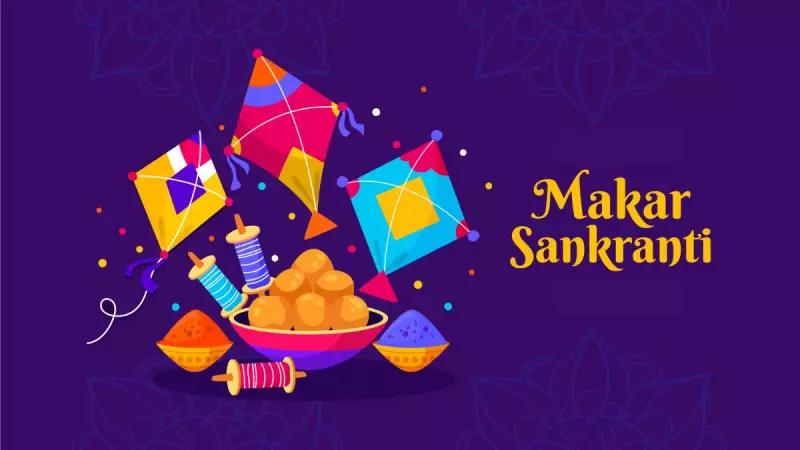
While the core essence remains the same, Makar Sankranti is celebrated under different names and with regional variations across the country. In Gujarat and other western states, the festival is famous as Uttarayan and is marked by the spectacular international kite-flying festival. In Punjab, it is celebrated as Lohri a day before, with bonfires and folk dances. In the south, particularly in Tamil Nadu, it is known as Pongal, a four-day harvest festival where the ceremonial cooking of the new rice harvest is central.
The festival also holds astronomical importance as it marks the sun's northward journey (Uttarayan), considered a highly auspicious period in Hindu scriptures for embarking on new ventures and spiritual practices.
Preparing for the Festivities
As Makar Sankranti 2026 approaches, devotees and families will start preparing by shopping for puja items, ingredients for traditional sweets, and kites. It is a time for family reunions, feasts, and community gatherings. The emphasis on charity reminds everyone to share their bounty with others, reinforcing social harmony. By observing the rituals during the prescribed Punya Kaal, followers believe they can cleanse past sins and invite positive energy, health, and wealth into their lives for the coming year.